



Table of Contents
Introduction
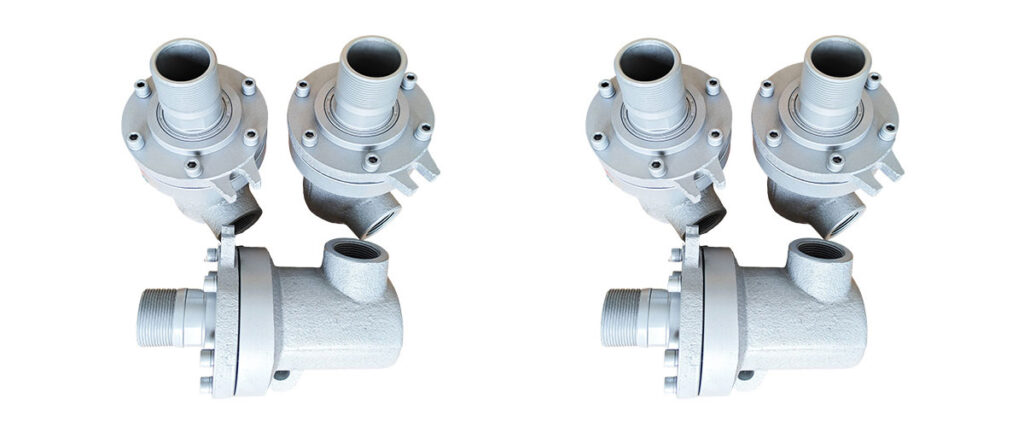
In textile processing, drying and thermal treatment stages consume a significant portion of total energy. Whether you are running fabric drying machines, stenters, or finishing lines, the efficiency of heat transfer directly determines production speed, product quality, and operating cost. At the center of this process is the textile rotary joint, which delivers steam or thermal oil into rotating rollers or cylinders.
Improving heat transfer efficiency in textile rotary joint systems is not simply about increasing temperature. It involves optimizing fluid flow, minimizing energy loss, ensuring proper condensate removal, and selecting the right materials. This article provides a practical and engineering-focused explanation of how to achieve higher efficiency in real-world textile applications.
Understanding Heat Transfer in Textile Rotary Joint Systems
In textile machinery, heat transfer occurs when a heating medium transfers thermal energy to a rotating surface, which then dries or processes the fabric.
The process involves:
- Steam or thermal oil entering through the rotary joint
- Heat transferring to the internal surface of the cylinder or roller
- Fabric contacting the heated surface and releasing moisture
- Condensate or cooled medium exiting the system
The textile rotary joint is the interface that controls how effectively this energy is delivered and maintained.
Key Factors Affecting Heat Transfer Efficiency
1. Steam Quality and Stability
The quality of steam plays a crucial role in efficiency. Dry, saturated steam provides better heat transfer compared to wet steam.
Wet steam leads to:
- Reduced heat transfer efficiency
- Increased condensate volume
- Potential internal corrosion
According to thermal system research published by ASME, maintaining consistent steam dryness can improve heat transfer performance by up to 10 percent in industrial systems.
2. Condensate Removal Efficiency
Condensate is a major limiting factor in heat transfer.
When condensate accumulates:
- It creates a barrier between steam and the cylinder surface
- Reduces effective heat transfer area
- Causes uneven temperature distribution
Efficient rotary joint systems use siphon or active drainage designs to continuously remove condensate.
3. Rotary Joint Design
The internal structure of a textile rotary joint determines how smoothly the heat transfer medium flows.
Important design considerations:
- Flow path optimization
- Minimal pressure drop
- Balanced internal structure
A poorly designed textile rotary joint can create turbulence or flow restriction, reducing overall efficiency.
4. Sealing Performance
Seals must maintain integrity under high temperature and rotation.
If sealing is compromised:
- Steam leakage occurs
- System pressure drops
- Energy is wasted
High-performance sealing materials such as carbon graphite ensure stable operation and consistent heat transfer.
5. Operating Temperature and Pressure
Heat transfer efficiency increases with temperature and pressure, but only within the limits of the system.
Higher temperature:
- Increases thermal energy available
- Improves drying speed
However, excessive temperature can:
- Accelerate material wear
- Reduce component lifespan
Balancing these factors is critical.
6. Rotational Speed of Cylinders
The speed of rotation affects how heat is distributed.
Higher speeds:
- Improve uniformity of heat distribution
- Increase production efficiency
But they also:
- Increase mechanical stress on the rotary joint
- Require better sealing and bearing performance
Comparison of Factors Influencing Efficiency
| Factor | Positive Impact | Negative Impact if Poorly Managed | Optimization Strategy |
|---|---|---|---|
| Steam Quality | Higher heat transfer rate | Reduced efficiency | Use dry saturated steam |
| Condensate Removal | Stable temperature | Heat loss and uneven drying | Use siphon systems |
| Rotary Joint Design | Smooth flow | Pressure drop | Optimize internal structure |
| Sealing Performance | Prevents leakage | Energy waste | Use graphite seals |
| Temperature and Pressure | Faster drying | Material stress | Maintain optimal range |
| Rotational Speed | Uniform heating | Mechanical wear | Balance speed and durability |
Practical Strategies to Improve Heat Transfer Efficiency
Optimize Steam System Design
Ensure that the steam supply is stable and consistent. Avoid fluctuations in pressure and temperature, as they directly affect performance.
Upgrade Rotary Joint Materials
Material selection is critical. Using advanced materials such as graphite seals and high-temperature bearings improves durability and efficiency.
Graphite materials are especially effective because:
- They reduce friction
- They perform well under high temperatures
- They require minimal maintenance
Improve Condensate Removal Systems
Efficient condensate removal is one of the most effective ways to improve heat transfer.
In high-speed textile systems:
- Siphon-based systems are recommended
- Continuous drainage ensures maximum heat transfer
Ensure Proper Installation and Alignment
Misalignment can cause:
- Uneven wear
- Leakage
- Reduced efficiency
Proper installation ensures that the textile rotary joint operates smoothly and maintains consistent performance.
Conduct Regular Maintenance
Routine inspection helps identify:
- Seal wear
- Bearing degradation
- Flow restrictions
Preventive maintenance reduces unexpected downtime and maintains efficiency.
Real-World Performance Insights
In actual textile production environments, improving heat transfer efficiency often leads to measurable gains.
Operational data from industrial drying systems indicates that:
- Optimized rotary joint systems can improve heat transfer efficiency by 10 to 20 percent
- Energy consumption can be reduced significantly when condensate is properly managed
- Maintenance intervals can be extended through better material selection
These improvements are cumulative, meaning small optimizations across multiple factors can result in substantial overall gains.
Common Mistakes That Reduce Efficiency
Ignoring Condensate Accumulation
This is one of the most common issues. Even well-designed systems can lose efficiency if condensate is not properly removed.
Using Inadequate Materials
Low-quality materials may perform well initially but degrade quickly under high temperature and pressure.
Overlooking System Balance
Focusing only on temperature without considering pressure, flow, and rotation can lead to inefficiencies.
Poor Installation Practices
Incorrect installation often leads to leakage and vibration, reducing system performance.
Conclusion
Heat transfer efficiency in textile rotary joint systems is the result of multiple interconnected factors, including steam quality, system design, material selection, and maintenance practices. By understanding and optimizing these elements, you can significantly improve production efficiency and reduce operating costs.
A well-designed and properly maintained rotary joint system does more than transfer heat. It ensures stability, consistency, and long-term performance in textile processing operations.
FAQ
What affects heat transfer efficiency in textile rotary joint systems
Factors include steam quality, condensate removal, rotary joint design, sealing performance, and operating conditions.
Why is condensate removal important
Condensate reduces the effective heat transfer area and leads to uneven temperature distribution.
How can I improve rotary joint efficiency
Optimize steam quality, use high-quality materials, improve condensate removal, and ensure proper installation.
What role does sealing play in efficiency
Sealing prevents steam leakage and maintains pressure, which is essential for efficient heat transfer.
Can rotary joint design impact energy consumption
Yes, efficient design reduces pressure loss and improves heat transfer, leading to lower energy consumption.
Looking to Improve Your Textile Rotary Joint Efficiency?
If your textile system is facing heat loss, leakage, or uneven drying, we can help. Our high-performance rotary joints, metal hoses, and graphite bearing solutions are designed to boost efficiency and reduce maintenance. Contact us today for a tailored solution.
Latest News
Insights & Innovation
