



Table of Contents
Introduction
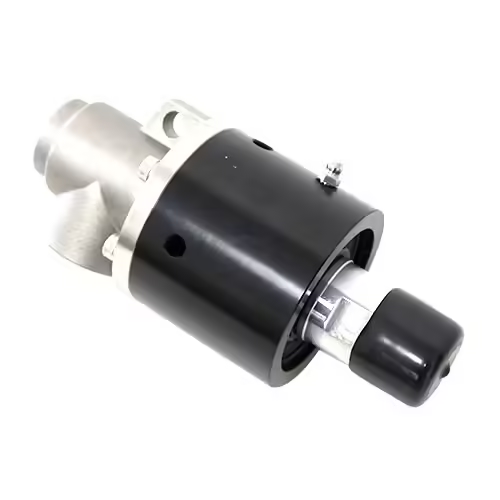
In the paper industry, equipment reliability is closely tied to material performance. Among critical components, the rotary joint plays a key role in transferring steam and removing condensate in drying systems. However, the efficiency and service life of a rotary joint depend largely on one factor that is often underestimated: rotary joint material selection.
Choosing the right rotary joint material is not just about durability. It directly affects heat transfer efficiency, maintenance intervals, and operational stability. In this article, you will learn how different materials perform under real paper industry conditions and how to select the most suitable combination for your application.
Why Rotary Joint Material Matters in Paper Industry Applications
Paper machines operate under demanding conditions:
- High temperatures from steam systems
- Continuous rotation over long periods
- Exposure to condensate and possible chemical additives
Under these conditions, the wrong rotary joint material can lead to:
- Premature seal wear
- Steam leakage
- Reduced drying efficiency
- Increased maintenance costs
Engineering studies from organizations such as ASME indicate that material degradation is one of the leading causes of failure in high-temperature rotating equipment.
Key Components and Their Material Requirements
A rotary joint consists of several critical parts, each requiring specific material properties.
Sealing Components
The seal is the most critical part in any rotary joint. It must maintain tight contact under high temperature and pressure while allowing rotation.
Requirements:
- High temperature resistance
- Low friction
- Wear resistance
Bearing Components
Bearings support rotation and maintain alignment. In steam applications, they must perform reliably without traditional lubrication.
Requirements:
- Heat resistance
- Low maintenance
- Stability under load
Housing and Structural Parts
The body of the rotary joint must withstand internal pressure and external environmental conditions.
Requirements:
- Mechanical strength
- Corrosion resistance
- Dimensional stability
Best Rotary Joint Materials for Paper Industry
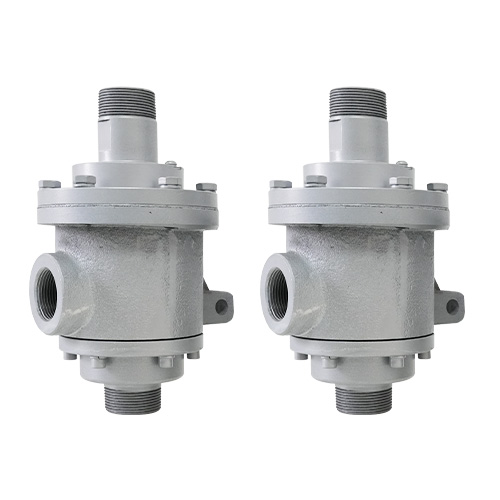
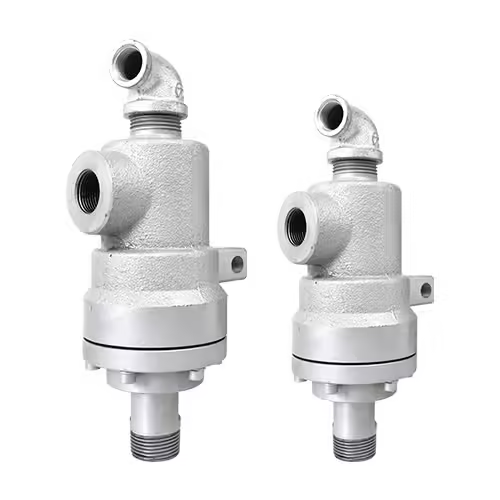
Carbon Graphite
Carbon graphite is one of the most widely used rotary joint materials, especially for seals and bearings.
Advantages:
- Self-lubricating properties
- Excellent thermal stability
- Low friction coefficient
In steam systems, graphite can maintain performance even under fluctuating temperatures. This is why it is commonly used in high-speed paper machines.
Silicon Carbide
Silicon carbide is known for its hardness and wear resistance.
Advantages:
- Extremely high hardness
- Excellent wear resistance
- Good performance in abrasive environments
However, it is less forgiving under misalignment compared to graphite, which makes installation accuracy more critical.
Tungsten Carbide
Tungsten carbide is used in high-load and high-pressure environments.
Advantages:
- High strength
- Excellent resistance to deformation
- Long service life under heavy-duty conditions
It is often used in demanding applications where mechanical stress is significant.
Stainless Steel
Stainless steel is commonly used for the housing and structural components.
Advantages:
- Corrosion resistance
- High mechanical strength
- Good performance in humid environments
It is particularly important in paper mills where moisture and condensate are constantly present.
Ceramic Materials
Ceramics are used in specialized applications requiring extreme temperature resistance.
Advantages:
- High temperature tolerance
- Chemical stability
- Low thermal expansion
They are often combined with other materials to improve overall performance.
Comparison Table of Rotary Joint Materials
| Material | Temperature Resistance | Wear Resistance | Lubrication Requirement | Best Use Case |
|---|---|---|---|---|
| Carbon Graphite | High | Moderate | No | Seals and bearings in steam systems |
| Silicon Carbide | Very High | Very High | No | Abrasive and high-speed applications |
| Tungsten Carbide | High | High | No | High-pressure and heavy-load systems |
| Stainless Steel | Medium to High | Moderate | Not applicable | Structural components |
| Ceramic | Very High | High | No | Extreme temperature environments |
How to Choose the Right Rotary Joint Material
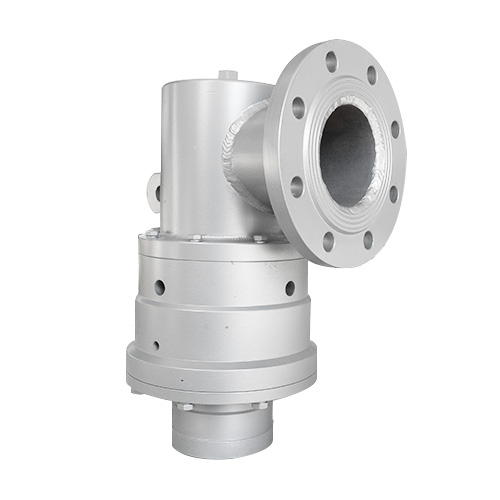
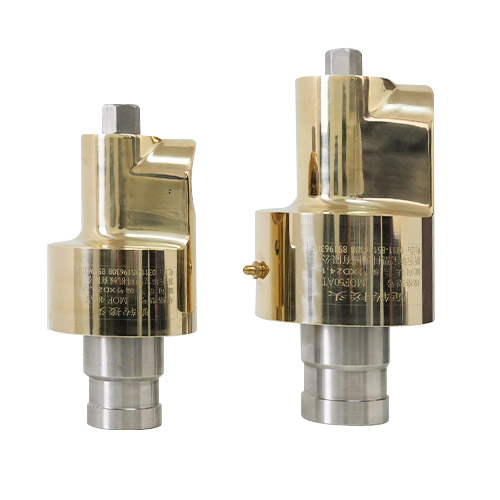
Selecting the right rotary joint material requires balancing multiple factors.
Consider Temperature First
Temperature is the most critical factor. Materials must maintain structural integrity and sealing performance at operating temperatures.
For most paper machines:
- Graphite is ideal for steam systems
- Ceramics are suitable for extreme conditions
Evaluate Pressure and Load
Higher pressure requires stronger materials such as tungsten carbide or reinforced structures.
Analyze Operating Speed
High-speed systems require materials with low friction and good thermal stability. Graphite is often preferred because it reduces wear under continuous rotation.
Account for Maintenance Strategy
If minimizing maintenance is a priority, self-lubricating materials such as graphite are highly beneficial. They eliminate the need for external lubrication and reduce downtime.
Consider Chemical Exposure
In environments where chemicals are present, corrosion-resistant materials such as stainless steel or ceramics should be used.
Practical Insights from Industry Applications
In real paper industry operations, the choice of rotary joint material has a measurable impact.
Operational data from industrial drying systems shows:
- Graphite-based sealing systems can extend service intervals significantly
- Proper material selection can reduce maintenance frequency by up to 30 percent
- Efficient material combinations improve heat transfer efficiency and reduce energy consumption
These improvements are not theoretical. They come from aligning material properties with actual operating conditions.
Common Material Selection Mistakes
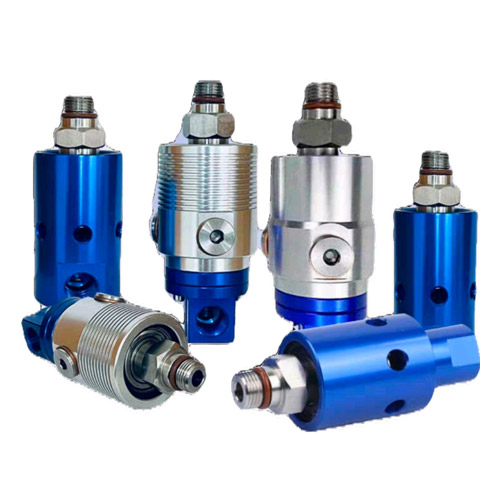
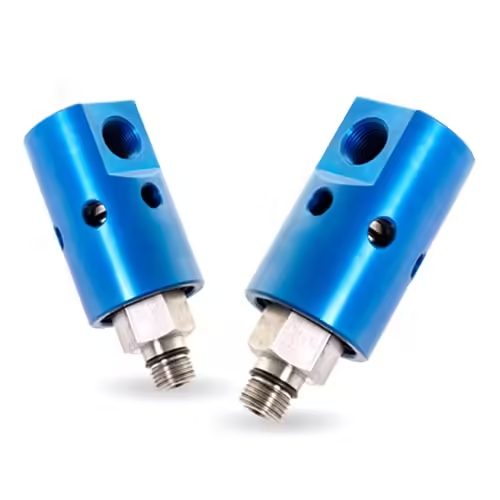
Choosing Based on Cost Alone
Low-cost materials often result in higher long-term costs due to frequent replacement and downtime.
Ignoring System Conditions
Material selection must match real operating conditions. Using standard materials in high-temperature environments leads to early failure.
Overlooking Compatibility
Different materials must work together. For example, seal and shaft materials must be compatible to prevent excessive wear.
Conclusion
Rotary joint material selection is a critical factor in ensuring reliable performance in paper industry applications. By understanding the properties of different materials and matching them to operating conditions, you can significantly improve efficiency, reduce maintenance costs, and extend equipment life.
In practice, the best results come from a balanced approach that considers temperature, pressure, speed, and maintenance requirements. A well-chosen rotary joint material is not just a technical detail—it is a strategic decision that directly impacts production performance.
FAQ
What is the best rotary joint material for paper industry applications
Carbon graphite is widely considered the best choice for seals and bearings due to its self-lubricating properties and high temperature resistance.
Why is graphite commonly used in rotary joints
Graphite provides stable performance under high temperatures and does not require lubrication, making it ideal for continuous operation.
Can stainless steel be used for rotary joints
Yes, stainless steel is commonly used for housing components due to its strength and corrosion resistance.
How does material selection affect rotary joint life
Proper material selection reduces wear, prevents leakage, and extends service life under demanding conditions.
Are ceramic materials necessary in paper industry applications
Ceramics are typically used in extreme conditions but are not always required for standard paper machine operations.
Need Help Choosing the Right Rotary Joint Material?
If you are unsure which rotary joint material fits your paper machine, our experts can help. We provide reliable solutions with high-performance seals, graphite bearings, and durable components tailored to your operating conditions. Contact us today to improve efficiency and reduce maintenance costs.
Latest News
Insights & Innovation
