
-
هاتف: +86-13581108878
-
بريد إلكتروني: 13581108878@163.com



جدول المحتويات
مقدمة
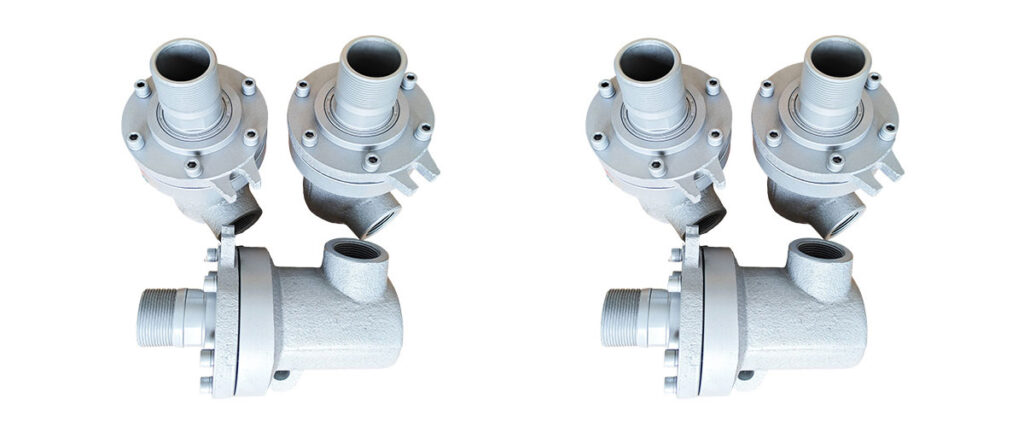
في مراحل معالجة المنسوجات والتجفيف والمعالجة الحرارية تستهلك جزءًا كبيرًا من إجمالي الطاقة. سواء كنت تقوم بتشغيل آلات تجفيف الأقمشة أو الدعامات أو خطوط التشطيب، فإن كفاءة نقل الحرارة تحدد بشكل مباشر سرعة الإنتاج وجودة المنتج وتكلفة التشغيل. في قلب هذه العملية يوجد المفصل الدوار للنسيج، الذي يقوم بتوصيل البخار أو الزيت الحراري إلى بكرات أو أسطوانات دوارة.
إن تحسين كفاءة نقل الحرارة في أنظمة المفاصل الدوارة للنسيج لا يتعلق فقط بزيادة درجة الحرارة. فهو يتضمن تحسين تدفق السوائل، وتقليل فقدان الطاقة، وضمان إزالة المكثفات بشكل مناسب، واختيار المواد المناسبة. توفر هذه المقالة شرحًا عمليًا ومركّزًا على الهندسة لكيفية تحقيق كفاءة أعلى في تطبيقات المنسوجات في العالم الحقيقي.
فهم انتقال الحرارة في أنظمة المفاصل الدوارة للنسيج
في آلات النسيج، يحدث انتقال الحرارة عندما يقوم وسط التسخين بنقل الطاقة الحرارية إلى سطح دوار، والذي يقوم بعد ذلك بتجفيف القماش أو معالجته.
تتضمن العملية:
- يدخل البخار أو الزيت الحراري عبر المفصل الدوار
- انتقال الحرارة إلى السطح الداخلي للأسطوانة أو الأسطوانة
- نسيج يلامس السطح الساخن ويطلق الرطوبة
- وسط مكثف أو مبرد يخرج من النظام
المفصل الدوار النسيجي هو الواجهة التي تتحكم في مدى فعالية توصيل هذه الطاقة وصيانتها.
العوامل الرئيسية التي تؤثر على كفاءة نقل الحرارة
1. جودة البخار واستقراره
تلعب جودة البخار دورًا حاسمًا في الكفاءة. يوفر البخار الجاف المشبع نقلًا أفضل للحرارة مقارنة بالبخار الرطب.
البخار الرطب يؤدي إلى:
- انخفاض كفاءة نقل الحرارة
- زيادة حجم المكثفات
- التآكل الداخلي المحتمل
وفقًا لأبحاث النظام الحراري التي نشرتها ASME، فإن الحفاظ على جفاف ثابت للبخار يمكن أن يحسن أداء نقل الحرارة بنسبة تصل إلى 10 بالمائة في الأنظمة الصناعية.
2. كفاءة إزالة المكثفات
المكثفات هي عامل مقيد رئيسي في نقل الحرارة.
عندما تتراكم المكثفات:
- يخلق حاجزًا بين البخار وسطح الأسطوانة
- يقلل من منطقة نقل الحرارة الفعالة
- يسبب توزيع درجات الحرارة غير المتكافئة
تستخدم أنظمة المفاصل الدوارة الفعالة تصميمات السيفون أو الصرف النشط لإزالة المكثفات بشكل مستمر.
3. تصميم المفاصل الدوارة
يحدد الهيكل الداخلي للمفصل الدوار للنسيج مدى سلاسة تدفق وسط نقل الحرارة.
اعتبارات التصميم الهامة:
- تحسين مسار التدفق
- الحد الأدنى من انخفاض الضغط
- هيكل داخلي متوازن
يمكن للمفصل الدوار النسيجي سيئ التصميم أن يخلق اضطرابًا أو تقييدًا للتدفق، مما يقلل من الكفاءة الإجمالية.
4. أداء الختم
يجب أن تحافظ الأختام على سلامتها تحت درجات الحرارة العالية والدوران.
إذا تم اختراق الختم:
- يحدث تسرب البخار
- ينخفض ضغط النظام
- الطاقة تضيع
تضمن مواد الختم عالية الأداء مثل جرافيت الكربون التشغيل المستقر ونقل الحرارة بشكل ثابت.
5. درجة حرارة التشغيل والضغط
تزداد كفاءة نقل الحرارة مع ارتفاع درجة الحرارة والضغط، ولكن فقط ضمن حدود النظام.
درجة حرارة أعلى:
- يزيد من الطاقة الحرارية المتاحة
- يحسن سرعة التجفيف
ومع ذلك، يمكن لدرجة الحرارة الزائدة:
- تسريع تآكل المواد
- تقليل عمر المكون
إن موازنة هذه العوامل أمر بالغ الأهمية.
6. سرعة دوران الاسطوانات
تؤثر سرعة الدوران على كيفية توزيع الحرارة.
سرعات أعلى:
- تحسين توحيد توزيع الحرارة
- زيادة كفاءة الإنتاج
ولكنهم أيضاً:
- زيادة الضغط الميكانيكي على المفصل الدوار
- تتطلب أداء أفضل للختم والمحمل
مقارنة العوامل المؤثرة على الكفاءة
| عامل | تأثير إيجابي | التأثير السلبي إذا تمت إدارته بشكل سيء | استراتيجية التحسين |
|---|---|---|---|
| جودة البخار | ارتفاع معدل نقل الحرارة | انخفاض الكفاءة | استخدم البخار الجاف المشبع |
| إزالة المكثفات | درجة حرارة مستقرة | فقدان الحرارة والتجفيف غير المتساوي | استخدم أنظمة السيفون |
| تصميم المفاصل الدوارة | تدفق سلس | انخفاض الضغط | تحسين الهيكل الداخلي |
| أداء الختم | يمنع التسرب | نفايات الطاقة | استخدم أختام الجرافيت |
| درجة الحرارة والضغط | تجفيف أسرع | الإجهاد المادي | الحفاظ على النطاق الأمثل |
| سرعة الدوران | تسخين موحد | ارتداء الميكانيكية | توازن السرعة والمتانة |
استراتيجيات عملية لتحسين كفاءة نقل الحرارة
تحسين تصميم نظام البخار
التأكد من أن إمدادات البخار مستقرة ومتسقة. تجنب التقلبات في الضغط ودرجة الحرارة، لأنها تؤثر بشكل مباشر على الأداء.
ترقية المواد المشتركة الدوارة
اختيار المواد أمر بالغ الأهمية. يؤدي استخدام مواد متقدمة مثل أختام الجرافيت والمحامل ذات درجة الحرارة العالية إلى تحسين المتانة والكفاءة.
مواد الجرافيت فعالة بشكل خاص لأنها:
- أنها تقلل الاحتكاك
- أنها تؤدي بشكل جيد في ظل درجات الحرارة المرتفعة
- أنها تتطلب الحد الأدنى من الصيانة
تحسين أنظمة إزالة المكثفات
تعد إزالة المكثفات بكفاءة إحدى أكثر الطرق فعالية لتحسين نقل الحرارة.
في أنظمة النسيج عالية السرعة:
- يوصى بالأنظمة المعتمدة على السيفون
- يضمن الصرف المستمر أقصى قدر من نقل الحرارة
ضمان التثبيت والمحاذاة المناسبة
يمكن أن يسبب اختلال المحاذاة:
- ارتداء غير متساو
- تسرب
- انخفاض الكفاءة
يضمن التثبيت المناسب أن المفصل الدوار للنسيج يعمل بسلاسة ويحافظ على الأداء المتسق.
إجراء الصيانة الدورية
يساعد الفحص الروتيني على تحديد ما يلي
- ارتداء الختم
- تحمل التدهور
- قيود التدفق
تقلل الصيانة الوقائية من وقت التوقف غير المتوقع وتحافظ على الكفاءة.
رؤى الأداء في العالم الحقيقي
في بيئات إنتاج المنسوجات الفعلية، غالبًا ما يؤدي تحسين كفاءة نقل الحرارة إلى مكاسب قابلة للقياس.
تشير البيانات التشغيلية من أنظمة التجفيف الصناعية إلى ما يلي:
- يمكن لأنظمة المفاصل الدوارة المحسنة تحسين كفاءة نقل الحرارة بنسبة 10 إلى 20 بالمائة
- يمكن تقليل استهلاك الطاقة بشكل كبير عند إدارة المكثفات بشكل صحيح
- يمكن تمديد فترات الصيانة من خلال اختيار أفضل للمواد
هذه التحسينات تراكمية، مما يعني أن التحسينات الصغيرة عبر عوامل متعددة يمكن أن تؤدي إلى مكاسب إجمالية كبيرة.
الأخطاء الشائعة التي تقلل من الكفاءة
تجاهل تراكم المكثفات
هذه واحدة من القضايا الأكثر شيوعا. حتى الأنظمة المصممة جيدًا يمكن أن تفقد كفاءتها إذا لم تتم إزالة المكثفات بشكل صحيح.
استخدام مواد غير كافية
قد تؤدي المواد منخفضة الجودة أداءً جيدًا في البداية ولكنها تتحلل بسرعة تحت درجات الحرارة والضغط المرتفعين.
التغاضي عن توازن النظام
التركيز فقط على درجة الحرارة دون النظر إلى الضغط والتدفق والدوران يمكن أن يؤدي إلى عدم الكفاءة.
ممارسات التثبيت السيئة
غالبًا ما يؤدي التثبيت غير الصحيح إلى التسرب والاهتزاز، مما يقلل من أداء النظام.
خاتمة
إن كفاءة نقل الحرارة في أنظمة المفاصل الدوارة للنسيج هي نتيجة لعوامل متعددة مترابطة، بما في ذلك جودة البخار، وتصميم النظام، واختيار المواد، وممارسات الصيانة. ومن خلال فهم هذه العناصر وتحسينها، يمكنك تحسين كفاءة الإنتاج بشكل كبير وتقليل تكاليف التشغيل.
يقوم نظام المفصل الدوار المصمم جيدًا والذي يتم صيانته بشكل صحيح بأكثر من مجرد نقل الحرارة. فهو يضمن الاستقرار والاتساق والأداء على المدى الطويل في عمليات معالجة المنسوجات.
التعليمات
ما يؤثر على كفاءة نقل الحرارة في مفصل دوار للنسيج أنظمة
وتشمل العوامل جودة البخار، وإزالة المكثفات، وتصميم المفصل الدوار، وأداء الختم، وظروف التشغيل.
لماذا تعتبر إزالة المكثفات مهمة
يقلل المكثف من مساحة نقل الحرارة الفعالة ويؤدي إلى توزيع غير متساوٍ لدرجة الحرارة.
كيف يمكنني تحسين كفاءة المفصل الدوار
تحسين جودة البخار، واستخدام مواد عالية الجودة، وتحسين إزالة المكثفات، وضمان التثبيت السليم.
ما هو الدور الذي يلعبه الختم في الكفاءة
يمنع الختم تسرب البخار ويحافظ على الضغط، وهو أمر ضروري لنقل الحرارة بكفاءة.
يمكن أن يؤثر تصميم المفصل الدوار على استهلاك الطاقة
نعم، التصميم الفعال يقلل من فقدان الضغط ويحسن نقل الحرارة، مما يؤدي إلى انخفاض استهلاك الطاقة.
هل تتطلع إلى تحسين كفاءة المفاصل الدوارة للنسيج؟
إذا كان نظام النسيج الخاص بك يواجه فقدان الحرارة أو التسرب أو التجفيف غير المتساوي، فيمكننا مساعدتك. تم تصميم الوصلات الدوارة عالية الأداء والخراطيم المعدنية وحلول محمل الجرافيت لتعزيز الكفاءة وتقليل الصيانة. اتصل بنا اليوم لحل مخصص.
أحدث أخبار
الرؤى والابتكار
