



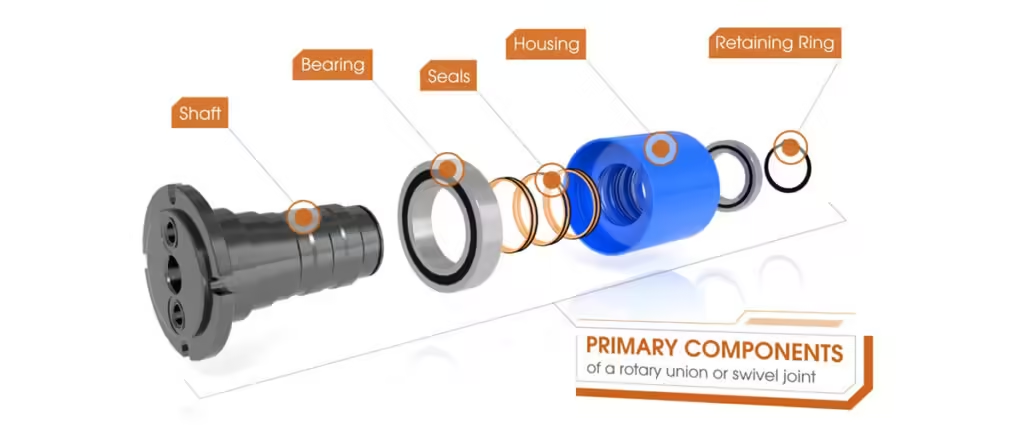
If you are dealing with fluid transfer systems in industrial equipment, a leaking rotary joint is not just a minor issue. It is often a warning sign that something deeper in your system is not working as it should. In many cases, leakage leads to pressure loss, energy waste, contamination risks, and unexpected downtime.
In this article, you will learn why a rotary joint starts leaking, how to diagnose the real cause, and what practical steps you can take to fix and prevent it. The goal is to give you clear, engineering-based insights that you can actually apply in real industrial environments.
Table of Contents
Understanding What a Rotary Joint Does in Your System
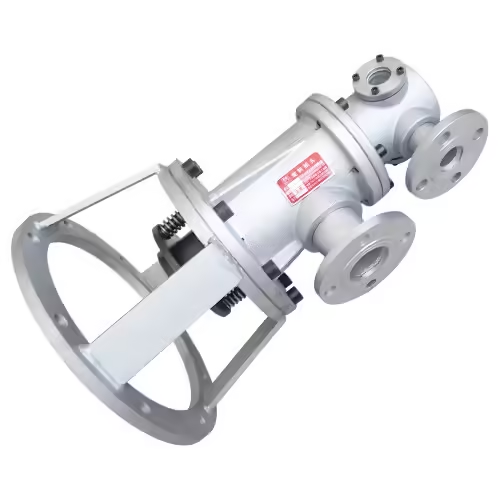
A rotary joint is designed to transfer fluids such as water, steam, oil, or air from a stationary source into a rotating component. It maintains a sealed connection while allowing continuous rotation, which is essential in machines like rollers, spindles, and rotating drums.
In ideal conditions, a rotary joint operates under stable pressure with minimal wear. However, once operating conditions exceed design limits or maintenance is neglected, leakage becomes one of the first visible failure signs.
The Most Common Reasons a Rotary Joint Starts Leaking
Leakage rarely happens without a reason. In industrial maintenance reports (such as findings summarized in fluid power system maintenance studies), more than 65% of rotary sealing failures are related to wear or installation issues rather than manufacturing defects.
Here are the most common causes:
1. Seal Wear and Aging
Seals are the most critical component inside a rotary joint. Over time, friction, heat, and pressure cause them to degrade.
Once the sealing surface loses elasticity or develops micro-cracks, fluid begins to escape even under normal pressure conditions.
2. Improper Installation or Misalignment
Even a high-quality rotary joint will fail early if it is not installed correctly.
Misalignment creates uneven load distribution, which accelerates wear on one side of the seal. This is one of the most overlooked causes of leakage.
3. Excessive Operating Pressure
Every rotary joint has a rated pressure limit. When your system operates above this range, internal components experience stress beyond design tolerance.
This often leads to sudden leakage rather than gradual wear.
4. Contaminated Fluid or Particles
Dirt, rust, or metal particles inside the fluid can scratch sealing surfaces. Even microscopic contamination can reduce seal effectiveness over time.
5. Thermal Expansion and Temperature Fluctuations
Frequent heating and cooling cycles cause materials to expand and contract. This weakens sealing integrity and may create small gaps under dynamic conditions.
Key Signs Your Rotary Joint Is About to Fail
Before a full leakage occurs, your system usually shows early warning signals. Recognizing them early can save significant downtime and repair cost.
Common symptoms include:
- Slight pressure drop in the system
- Moisture or fluid residue around the joint
- Increased vibration in rotating equipment
- Unusual noise during operation
- Rising operating temperature
In many industrial systems, engineers report that detecting these signs early can reduce repair costs by up to 40% according to general maintenance efficiency studies in rotating equipment systems.
Step-by-Step Guide: How to Diagnose Rotary Union Leakage
If your rotary joint is leaking, follow a structured diagnosis process instead of replacing parts blindly.
Step 1: Visual Inspection
Check for external leakage, corrosion, or misalignment between connected parts.
Step 2: Pressure Testing
Run a controlled pressure test to determine whether leakage occurs under load or only during operation.
Step 3: Rotation Check
Manually rotate the system (if possible) to detect uneven resistance or internal friction.
Step 4: Seal Condition Analysis
Inspect seals for hardness, cracks, or deformation. This is often the root cause.
Comparison of Common Leakage Causes and Fix Methods
| Cause | Symptom | Fix Method | Prevention Strategy |
|---|---|---|---|
| Seal wear | Continuous minor leakage | Replace seal kit | Regular maintenance schedule |
| Misalignment | Uneven wear, vibration | Realign shaft and housing | Proper installation tools |
| Overpressure | Sudden leakage | Adjust system pressure | Install pressure control valves |
| Contamination | Scratched seals | Clean system, replace parts | Add filtration system |
| Temperature stress | Intermittent leakage | Upgrade seal material | Use high-temp rated components |
How to Fix a Leaking Rotary Joint
Fixing a rotary joint depends on identifying the root cause correctly. Here are the most effective solutions used in industrial maintenance:
Replace Worn Seals
In most cases, replacing the seal kit solves the problem immediately. This is the most common repair action in field maintenance.
Reinstall with Proper Alignment
If misalignment is detected, reinstalling the joint with proper calibration tools is necessary to prevent repeat failure.
Upgrade Material or Design
For high-pressure or high-temperature systems, upgrading to better seal materials or reinforced rotary joint designs significantly improves lifespan.
Improve Fluid Cleanliness
Installing filters or improving fluid quality management reduces internal wear over time.
Preventing Rotary Joint Leakage in Long-Term Operation
Prevention is always more cost-effective than repair. Based on industrial maintenance best practices, the following strategies significantly extend rotary union lifespan:
- Perform routine inspection every 3 to 6 months
- Monitor pressure stability during operation
- Replace seals before complete failure
- Maintain clean fluid systems with filtration
- Avoid operating above rated pressure
A well-maintained rotary joint system can last 30% to 50% longer compared to poorly maintained systems, according to general mechanical maintenance performance data.
When Should You Replace Instead of Repair?
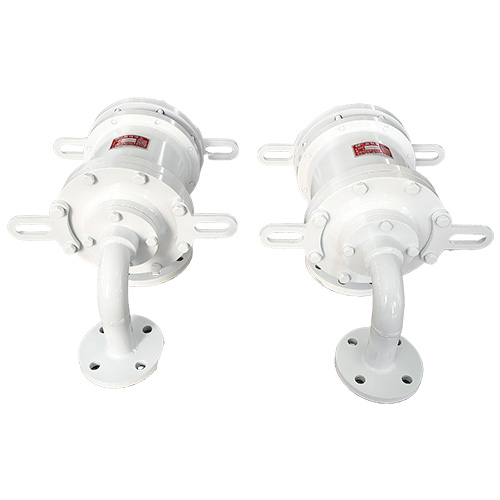
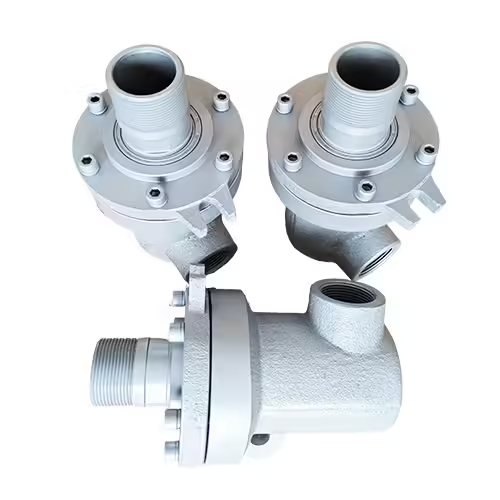
Not every leaking rotary joint should be repaired. In some cases, replacement is more cost-effective.
You should consider replacement when:
- The housing is damaged or corroded
- Leakage persists after seal replacement
- The system repeatedly fails under normal pressure
- Repair cost exceeds 50% of replacement cost
Real-World Industrial Insight
In rotating equipment systems such as rollers or continuous production lines, even a small leak can lead to cascading issues such as pressure instability and uneven output quality.
For example, maintenance engineers in high-duty production environments often report that addressing rotary joint leakage early reduces overall system downtime by more than 20% annually.
Conclusion
A leaking rotary joint is not just a maintenance issue—it is a system efficiency warning. By understanding the root causes such as seal wear, misalignment, pressure overload, and contamination, you can significantly reduce downtime and improve system reliability.
A structured inspection routine combined with proper installation and material selection will help you extend equipment life and maintain stable industrial performance.
FAQ
Why is my rotary joint leaking even after replacing seals?
It is usually due to misalignment, incorrect installation, or excessive system pressure.
Can a leaking rotary union damage the whole system?
Yes. Leakage can cause pressure drops, contamination, and long-term equipment wear.
How often should rotary joints be inspected?
In most industrial systems, every 3–6 months is recommended depending on operating conditions.
What is the most common cause of rotary union failure?
Seal wear is the most common cause, especially in high-speed or high-pressure applications.
Can I repair a rotary union myself?
Basic seal replacement can be done, but alignment and pressure-related issues often require technical expertise.
Need Help Fixing or Selecting the Right Rotary Joint?
If you’re unsure what is causing leakage in your rotary joint or which type is best for your system, our engineering team is here to help. Contact us today for a professional consultation, and make sure your rotary joint system operates safely, efficiently, and without unexpected downtime. Don’t wait until a small leak turns into a major failure—get in touch now to protect your equipment and keep your production running smoothly!
Latest News
Insights & Innovation
