



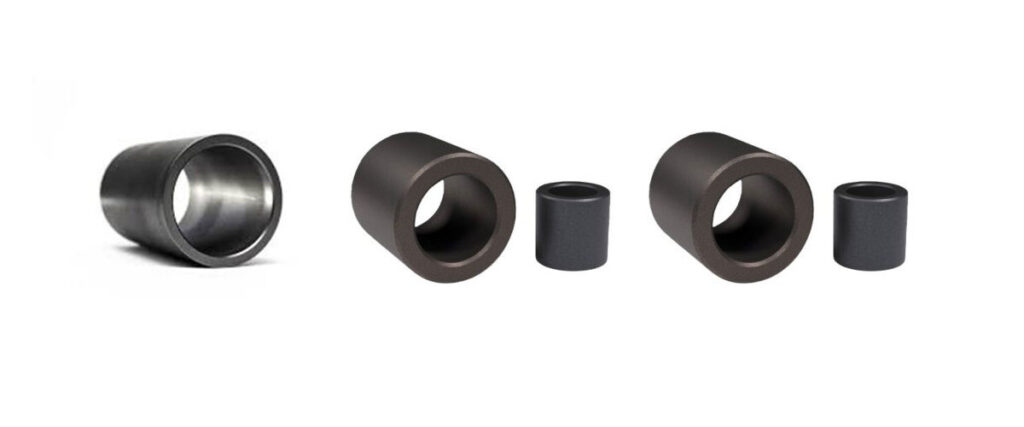
In modern industrial systems, equipment reliability often depends on components that receive very little attention until failure occurs. Bearings are one of those components. While traditional bearing materials struggle under high heat, dry running, or corrosive environments, graphite bearings are increasingly becoming the preferred solution in demanding industrial applications.
From rotating machinery and thermal systems to continuous production lines and fluid transfer equipment, graphite bearings are widely used because they provide low friction, excellent thermal stability, and self-lubricating performance without requiring constant maintenance.
In this article, you will learn how graphite bearings work, why they outperform traditional bearing materials in harsh environments, and how to select the right graphite bearing configuration for industrial applications.
Table of Contents
The Growing Demand for Graphite Bearing in Industrial Systems
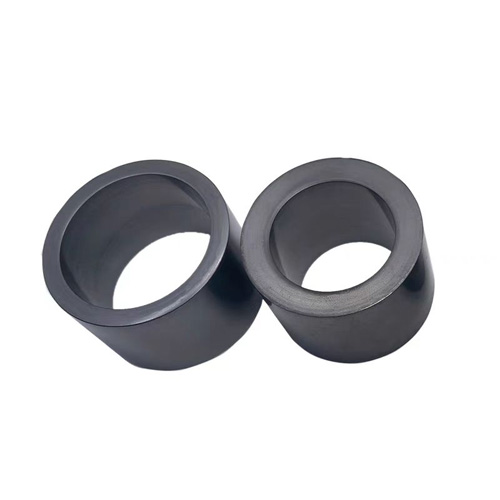
Industrial equipment is evolving toward:
- Higher operating temperatures
- Faster rotating systems
- Continuous-duty production environments
- Reduced maintenance requirements
- Lower lubrication dependency
Traditional metallic bearings often fail under these conditions because lubrication degrades at high temperatures or contamination damages the bearing surface.
Graphite bearings solve many of these challenges because graphite naturally provides lubricating properties even under extreme thermal conditions.
According to engineering material studies published by industrial tribology researchers, graphite-based materials maintain stable friction characteristics under temperatures where conventional lubricants begin losing effectiveness.
What Make Graphite Bearing Different from Conventional Bearings
Unlike rolling bearings that rely heavily on grease or oil lubrication, graphite bearings are generally self-lubricating.
This means they can continue operating in environments where:
- Oil lubrication is impractical
- High heat evaporates lubricants
- Moisture or chemicals damage traditional bearings
- Maintenance access is limited
The layered crystalline structure of graphite allows surfaces to slide smoothly with reduced friction.
This unique property makes graphite especially valuable in thermal machinery and rotating sealing systems.
How Graphite Bearings Work in Rotary Systems
Graphite bearings are commonly used in:
- Rotary joints
- High-temperature rollers
- Thermal transfer systems
- Glass machinery
- Steam applications
- Continuous industrial conveyors
In rotary systems, graphite bearings support rotating shafts while reducing friction and maintaining alignment.
Why High-Temperature Applications Need Graphite Bearing
One of the biggest advantages of graphite bearings is thermal resistance.
In high-temperature systems, conventional lubricants often fail due to:
- Oxidation
- Evaporation
- Carbon buildup
- Viscosity breakdown
Graphite materials can continue functioning under temperatures that exceed the operational range of many standard bearing systems.
According to material engineering data published by industrial tribology references, graphite remains structurally stable and maintains low friction characteristics at temperatures unsuitable for conventional lubricated bearings.
Reference: Graphite Carbon
Key Advantages of Graphite Bearing
1. Self-Lubricating Performance
Graphite naturally reduces friction without requiring continuous lubrication systems.
This reduces:
- Maintenance frequency
- Lubricant contamination risks
- Downtime caused by lubrication failure
2. Excellent Thermal Stability
Graphite bearings maintain operational stability under thermal cycling conditions common in industrial machinery.
This is especially important in:
- Steam systems
- Thermal rollers
- Heat transfer equipment
3. Corrosion Resistance
Unlike some metallic bearings, graphite performs well in chemically aggressive environments.
This makes it suitable for:
- Moisture exposure
- Industrial fluids
- Corrosive gases
4. Reduced Maintenance Requirements
Self-lubricating operation reduces the need for:
- Grease systems
- Frequent inspections
- Lubricant replacement schedules
This directly lowers long-term operational maintenance costs.
Comparison Table: Graphite Bearing vs Traditional Bearing
| Feature | Graphite Bearings | Traditional Bearings |
|---|---|---|
| Lubrication Requirement | Minimal | High |
| High Temperature Resistance | Excellent | Moderate |
| Corrosion Resistance | High | Medium |
| Maintenance Frequency | Low | Higher |
| Dry Running Capability | Excellent | Limited |
| Thermal Expansion Stability | High | Moderate |
This comparison explains why graphite bearings are increasingly used in continuous-duty industrial systems.
Industries Where Graphite Bearings Are Widely Used
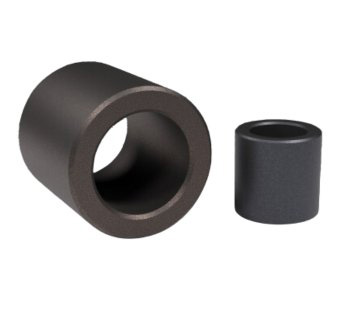
Glass Manufacturing Equipment
Glass production systems involve:
- High heat
- Continuous roller movement
- Thermal cycling
Graphite bearings provide stable operation under these demanding conditions.
Rotary Joint Systems
Graphite bearings help stabilize rotating shafts while reducing friction inside rotary sealing assemblies.
Explore related products here: H type rotary joint
Steam Transfer Equipment
Steam systems expose components to:
- High temperatures
- Condensation cycles
- Pressure fluctuations
Graphite materials handle these environments effectively.
Dry-Running Machinery
Applications without continuous lubrication benefit greatly from graphite’s self-lubricating characteristics.
Common Causes of Graphite Bearing Failure
Even high-performance graphite bearings can fail if operating conditions are incorrect.
Common causes include:
Misalignment
Improper shaft alignment creates uneven wear.
Excessive Mechanical Load
Overloading reduces bearing lifespan.
Thermal Shock
Rapid temperature changes can stress bearing material.
Contamination
Hard particles can damage bearing surfaces.
How to Select the Right Graphite Bearing
When selecting graphite bearings, consider:
Operating Temperature
Different graphite grades perform differently under heat.
Rotational Speed
Higher speeds may require reinforced structures.
Media Exposure
Chemical compatibility matters in aggressive environments.
Load Conditions
Radial and axial load requirements affect design selection.
Maintenance Tips for Longer Service Life
To maximize bearing performance:
- Maintain shaft alignment
- Prevent contamination buildup
- Monitor vibration levels
- Inspect wear surfaces periodically
- Avoid sudden thermal shock
According to industrial maintenance studies, preventive monitoring significantly improves rotating equipment reliability and reduces unexpected shutdowns.
Why Graphite Bearing Matter in Modern Energy-Efficient Systems
Energy efficiency is becoming a major focus in industrial engineering.
Lower friction directly contributes to:
- Reduced energy consumption
- Lower heat generation
- Improved rotational efficiency
Graphite bearings support these goals by minimizing resistance in rotating systems.
Engineering Insight: Why More Industrial Designers Are Choosing Graphite
Modern machinery designers increasingly prefer graphite bearings because they simplify system architecture.
Without complex lubrication systems:
- Equipment becomes more compact
- Maintenance access improves
- Failure points decrease
This design flexibility is particularly valuable in automated industrial systems operating continuously.
Final Thoughts
Graphite bearings are no longer niche industrial components. They are becoming essential solutions for high-temperature, high-speed, and low-maintenance rotating systems.
Their self-lubricating structure, thermal stability, and resistance to wear make them ideal for modern industrial environments where efficiency and reliability are critical.
When properly selected and integrated into rotating equipment, graphite bearing help improve operational stability, reduce maintenance requirements, and extend equipment lifespan in some of the most demanding industrial applications today.
FAQ
What are graphite bearings used for?
Graphite bearings are used in rotating machinery, high-temperature systems, rotary joints, and industrial equipment requiring low-friction performance.
Why are graphite bearings good for high temperatures?
Graphite maintains stable lubricating properties under temperatures that degrade conventional lubricants.
Do graphitic bearings require lubrication?
Most graphitic bearings are self-lubricating and require minimal additional lubrication.
Can graphitic bearings operate in corrosive environments?
Yes. Graphite performs well in many chemically aggressive environments.
What causes graphite-bearing wear?
Common causes include contamination, misalignment, excessive load, and improper operating conditions.
Are graphite bearings suitable for continuous-duty systems?
Yes. They are commonly used in systems operating continuously under demanding industrial conditions.
Latest News
Insights & Innovation
