



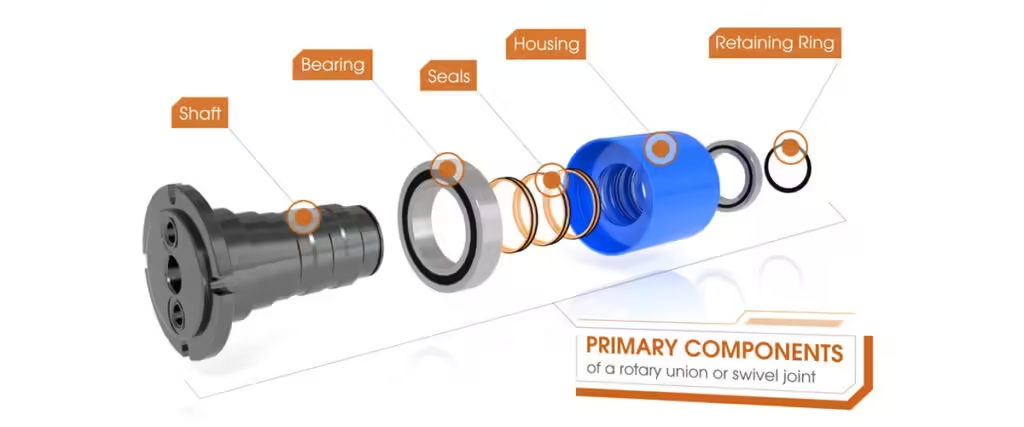
Jika Anda berurusan dengan sistem transfer cairan dalam peralatan industri, sambungan putar yang bocor bukan hanya masalah kecil. Seringkali merupakan tanda peringatan bahwa sesuatu yang lebih dalam di sistem Anda tidak berfungsi sebagaimana mestinya. Dalam banyak kasus, kebocoran menyebabkan kehilangan tekanan, pemborosan energi, risiko kontaminasi, dan waktu henti yang tidak terduga.
Dalam artikel ini, Anda akan belajar mengapa sendi putar mulai bocor, bagaimana mendiagnosis penyebab sebenarnya, dan langkah-langkah praktis apa yang dapat Anda ambil untuk memperbaiki dan mencegahnya. Tujuannya adalah untuk memberi Anda wawasan yang jelas dan berbasis teknik yang sebenarnya dapat Anda terapkan di lingkungan industri nyata.
Daftar isi
Memahami Apa Itu Sambungan Putar Apakah dalam Sistem Anda
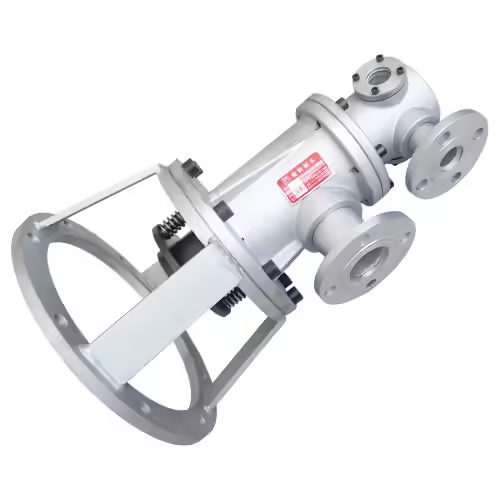
Sambungan putar dirancang untuk mentransfer cairan seperti air, uap, minyak, atau udara dari sumber stasioner ke komponen yang berputar. Ini mempertahankan koneksi yang disegel sambil memungkinkan rotasi terus menerus, yang sangat penting dalam mesin seperti rol, spindel, dan drum yang berputar.
Dalam kondisi ideal, sambungan putar beroperasi di bawah tekanan stabil dengan keausan minimal. Namun, begitu kondisi pengoperasian melebihi batas desain atau perawatan diabaikan, kebocoran menjadi salah satu tanda kegagalan pertama yang terlihat.
Alasan Paling Umum Sendi Rotary Mulai Bocor
Kebocoran jarang terjadi tanpa alasan. Dalam laporan pemeliharaan industri (seperti temuan yang dirangkum dalam studi pemeliharaan sistem tenaga fluida), lebih dari 65% kegagalan penyegelan putar terkait dengan masalah keausan atau pemasangan daripada cacat produksi.
Berikut adalah penyebab paling umum:
1. Pakaian Segel dan Penuaan
Segel adalah komponen paling penting di dalam sambungan putar. Seiring waktu, gesekan, panas, dan tekanan menyebabkannya terdegradasi.
Setelah permukaan penyegelan kehilangan elastisitas atau mengembangkan mikro-retak, cairan mulai melarikan diri bahkan di bawah kondisi tekanan normal.
2. Instalasi atau Misalignment yang Tidak Tepat
Bahkan sambungan putar berkualitas tinggi akan gagal lebih awal jika tidak dipasang dengan benar.
Ketidakselarasan menciptakan distribusi beban yang tidak merata, yang mempercepat keausan pada satu sisi segel. Ini adalah salah satu penyebab kebocoran yang paling diabaikan.
3. Tekanan Operasi Berlebihan
Setiap sambungan putar memiliki batas tekanan pengenal. Ketika sistem Anda beroperasi di atas kisaran ini, komponen internal mengalami stres di luar toleransi desain.
Hal ini sering kali menyebabkan kebocoran secara tiba-tiba, bukan keausan secara bertahap.
4. Cairan atau Partikel yang Terkontaminasi
Kotoran, karat, atau partikel logam di dalam cairan dapat menggores permukaan penyegelan. Bahkan kontaminasi mikroskopis dapat mengurangi efektivitas segel dari waktu ke waktu.
5. Ekspansi Termal dan Fluktuasi Suhu
Siklus pemanasan dan pendinginan yang sering menyebabkan material mengembang dan berkontraksi. Ini melemahkan integritas penyegelan dan dapat menciptakan celah kecil dalam kondisi dinamis.
Tanda Kunci Sendi Putar Anda Akan Gagal
Sebelum kebocoran penuh terjadi, sistem Anda biasanya menunjukkan sinyal peringatan dini. Mengenalinya lebih awal dapat menghemat waktu henti dan biaya perbaikan yang signifikan.
Gejala umum meliputi:
- Sedikit penurunan tekanan dalam sistem
- Kelembaban atau residu cairan di sekitar sendi
- Peningkatan getaran pada peralatan berputar
- Kebisingan yang tidak biasa selama operasi
- Meningkatnya suhu operasi
Dalam banyak sistem industri, para insinyur melaporkan bahwa mendeteksi tanda-tanda ini lebih awal dapat mengurangi biaya perbaikan hingga 40% menurut studi efisiensi pemeliharaan umum dalam sistem peralatan berputar.
Panduan Langkah-demi-Langkah: Cara Mendiagnosis Kebocoran Rotary Union
Jika sendi putar Anda bocor, ikuti proses diagnosis terstruktur alih-alih mengganti bagian secara membabi buta.
Langkah 1: Inspeksi Visual
Periksa kebocoran eksternal, korosi, atau ketidakselarasan antara bagian-bagian yang terhubung.
Langkah 2: Pengujian Tekanan
Jalankan uji tekanan terkontrol untuk menentukan apakah kebocoran terjadi di bawah beban atau hanya selama operasi.
Langkah 3: Pemeriksaan Rotasi
Putar sistem secara manual (jika memungkinkan) untuk mendeteksi hambatan yang tidak merata atau gesekan internal.
Langkah 4: Analisis Kondisi Segel
Periksa segel untuk kekerasan, retak, atau deformasi. Ini sering menjadi akar penyebabnya.
Perbandingan Penyebab Kebocoran Umum dan Metode Perbaikan
| Menyebabkan | Gejala | Metode Fix | Strategi Pencegahan |
|---|---|---|---|
| Keausan segel | Kebocoran kecil yang terus menerus | Ganti kit segel | Jadwal perawatan rutin |
| Ketidaksejajaran | Keausan tidak merata, getaran | Sejajarkan kembali poros dan rumahan | Alat instalasi yang tepat |
| Tekanan berlebih | Kebocoran mendadak | Sesuaikan tekanan sistem | Pasang katup pengatur tekanan |
| Kontaminasi | Segel tergores | Sistem bersih, ganti bagian | Tambahkan sistem filtrasi |
| Stres suhu | Kebocoran intermiten | Bahan segel upgrade | Gunakan komponen berperingkat suhu tinggi |
Cara Memperbaiki Rotary Joint yang Bocor
Memperbaiki sambungan putar tergantung pada identifikasi akar penyebab dengan benar. Berikut adalah solusi paling efektif yang digunakan dalam pemeliharaan industri:
Ganti Segel yang Aus
Dalam kebanyakan kasus, mengganti kit segel menyelesaikan masalah dengan segera. Ini adalah tindakan perbaikan yang paling umum dalam pemeliharaan lapangan.
Instal ulang dengan Alignment yang Tepat
Jika misalignment terdeteksi, menginstal ulang sendi dengan alat kalibrasi yang tepat diperlukan untuk mencegah kegagalan berulang.
Upgrade Material atau Desain
Untuk sistem bertekanan tinggi atau suhu tinggi, peningkatan ke bahan segel yang lebih baik atau desain sambungan putar yang diperkuat secara signifikan meningkatkan umur.
Meningkatkan Kebersihan Cairan
Memasang filter atau meningkatkan manajemen kualitas cairan mengurangi keausan internal dari waktu ke waktu.
Mencegah Kebocoran Sendi Putar dalam Operasi Jangka Panjang
Pencegahan selalu lebih hemat biaya daripada perbaikan. Berdasarkan praktik terbaik pemeliharaan industri, strategi berikut secara signifikan memperpanjang umur serikat putar:
- Lakukan pemeriksaan rutin setiap 3 sampai 6 bulan
- Pantau stabilitas tekanan selama operasi
- Ganti segel sebelum gagal total
- Pertahankan sistem cairan bersih dengan filtrasi
- Hindari beroperasi di atas tekanan pengenal
Sistem sambungan putar yang terpelihara dengan baik dapat bertahan 30% hingga 50% lebih lama dibandingkan dengan sistem yang tidak dirawat dengan baik, menurut data kinerja pemeliharaan mekanis umum.
Kapan Anda Harus Mengganti Daripada Memperbaiki?
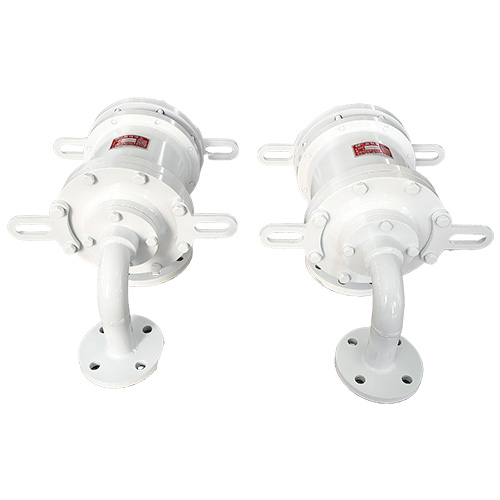
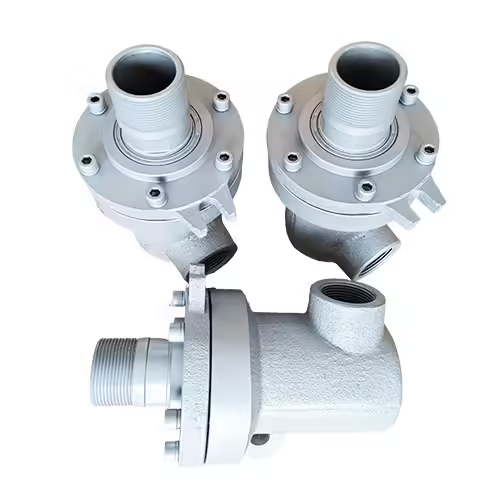
Tidak setiap sambungan putar yang bocor harus diperbaiki. Dalam beberapa kasus, penggantian lebih hemat biaya.
Anda harus mempertimbangkan penggantian ketika:
- Perumahan rusak atau terkorosi
- Kebocoran berlanjut setelah penggantian segel
- Sistem berulang kali gagal di bawah tekanan normal
- Biaya perbaikan melebihi 50% dari biaya penggantian
Wawasan Industri Dunia Nyata
Dalam sistem peralatan berputar seperti rol atau jalur produksi berkelanjutan, kebocoran kecil sekalipun dapat menyebabkan masalah berjenjang seperti ketidakstabilan tekanan dan kualitas keluaran yang tidak merata.
Misalnya, insinyur pemeliharaan di lingkungan produksi tugas tinggi sering melaporkan bahwa mengatasi kebocoran sambungan putar lebih awal mengurangi waktu henti sistem secara keseluruhan lebih dari 20% setiap tahunnya.
Kesimpulan
Sebuah bocor sambungan putar bukan hanya masalah pemeliharaan — itu adalah peringatan efisiensi sistem. Dengan memahami akar penyebab seperti keausan segel, ketidaksejajaran, tekanan berlebih, dan kontaminasi, Anda dapat secara signifikan mengurangi waktu henti dan meningkatkan keandalan sistem.
Rutinitas inspeksi terstruktur yang dikombinasikan dengan pemasangan dan pemilihan material yang tepat akan membantu Anda memperpanjang umur peralatan dan mempertahankan kinerja industri yang stabil.
Tanya Jawab Umum
Mengapa saya sambungan putar bocor bahkan setelah mengganti segel?
Hal ini biasanya disebabkan oleh ketidaksejajaran, pemasangan yang salah, atau tekanan sistem yang berlebihan.
Dapatkah serikat putar yang bocor merusak keseluruhan sistem?
Ya. Kebocoran dapat menyebabkan penurunan tekanan, kontaminasi, dan keausan peralatan jangka panjang.
Seberapa sering sambungan putar harus diperiksa?
Dalam kebanyakan sistem industri, setiap 3 φ6 bulan direkomendasikan tergantung pada kondisi operasi.
Apa penyebab paling umum dari kegagalan serikat putar?
Keausan segel adalah penyebab paling umum, terutama dalam aplikasi berkecepatan tinggi atau tekanan tinggi.
Bisakah saya memperbaiki sendiri serikat putar?
Penggantian segel dasar dapat dilakukan, namun masalah penyelarasan dan tekanan sering kali memerlukan keahlian teknis.
Butuh Bantuan Memperbaiki atau Memilih Rotary Joint yang Tepat?
Jika Anda tidak yakin apa yang menyebabkan kebocoran pada sambungan putar Anda atau jenis mana yang terbaik untuk sistem Anda, tim teknik kami siap membantu. Hubungi kami hari ini untuk konsultasi profesional, dan pastikan sistem sambungan putar Anda beroperasi dengan aman, efisien, dan tanpa waktu henti yang tidak terduga. Jangan menunggu sampai kebocoran kecil berubah menjadi kegagalan besar — hubungi sekarang untuk melindungi peralatan Anda dan menjaga produksi Anda berjalan lancar!
Terbaru Berita
Wawasan & Inovasi
