



Table of Contents
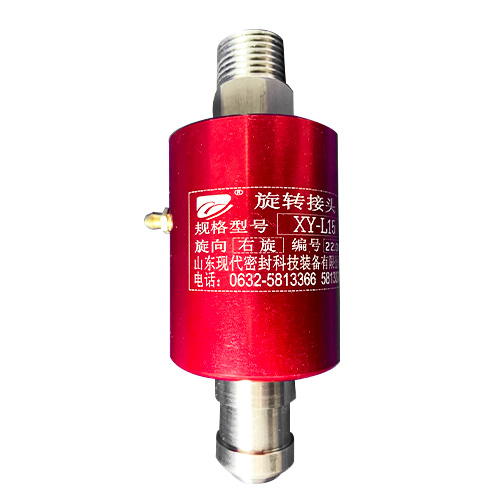
If you’re running high-speed pneumatic systems or compressed air machinery, you know that efficient air transfer is essential to maintain operational reliability. A rotary joint for air is a key component that enables continuous air flow between stationary and rotating equipment. Choosing the right rotary joint impacts system performance, reduces downtime, and prolongs equipment life.
This guide will help you understand the technical features, application scenarios, selection criteria, maintenance tips, and real-world performance examples of rotary joints for air. By the end, you’ll be able to make informed decisions to optimize your machinery.
How Rotary Joints for Air Work
A rotary joint for air allows compressed air to pass through rotating parts without leaks, even under high pressure and speed. Unlike standard couplings, these joints are specifically designed to maintain stable airflow in rotating systems, minimizing pressure drops and vibration.
Key design considerations include:
- Seal type: High-grade PTFE or graphite seals to prevent leaks
- Bearing structure: Heavy-duty to handle rotation stress
- Material: Stainless steel or alloy for corrosion and wear resistance
- Pressure and temperature rating: Suitable for your system’s operating range
Proper understanding of these features ensures you select a rotary joint for air that will last in demanding applications.
Applications in Industry
Pneumatic Tools and Machinery
Air-powered tools require consistent pressure to operate efficiently. Rotary joints for air enable smooth airflow to tools mounted on rotating platforms, ensuring consistent performance.
Automated Conveyor Systems
In automated conveyor systems, rotary joints deliver compressed air to actuators and pneumatic devices along rotating sections. A correctly selected rotary joint for air ensures synchronized operation and reduces downtime.
Air Blowing Systems
High-speed air blowers, such as in material handling or surface cleaning, rely on rotary joint for air to maintain stable airflow at rotational speeds. Misaligned or low-quality joints can lead to pressure drops and inconsistent performance.
Robotics and Automation
Robotic arms often use pneumatic actuators for gripping or movement. Rotary joints provide reliable air transfer, even during complex rotational motions.
Real-World Case Study: CNC Pneumatic Tooling
A CNC manufacturing facility faced inconsistent tool performance due to insufficient air supply. Tools driven by pneumatic cylinders experienced lag during high-speed operation, impacting production quality.
Solution Implemented:
- Installed high-performance rotary joints for air rated up to 12,000 RPM
- Material: Stainless steel with PTFE seals for durability
- Optimized joint size to match system flow rate
Outcome:
- Tool operation stabilized across all speeds
- Production defects reduced by 30%
- Maintenance downtime decreased by 40%
This demonstrates how the right rotary joint for air can directly improve machine performance and reduce costs.
Selection Criteria for Rotary Joints for Air
Choosing a suitable rotary joint for air requires careful consideration:
- Flow Rate: Ensure the joint can handle your system’s maximum air demand without pressure loss.
- Pressure Rating: Always select a joint rated above your system’s peak operating pressure.
- Rotational Speed: Verify the joint’s maximum RPM exceeds your machinery’s speed.
- Material Compatibility: Stainless steel or aluminum joints resist corrosion in humid or compressed air environments.
- Seal Type: PTFE or graphite seals provide longevity and leak prevention.
Maintenance Guidelines
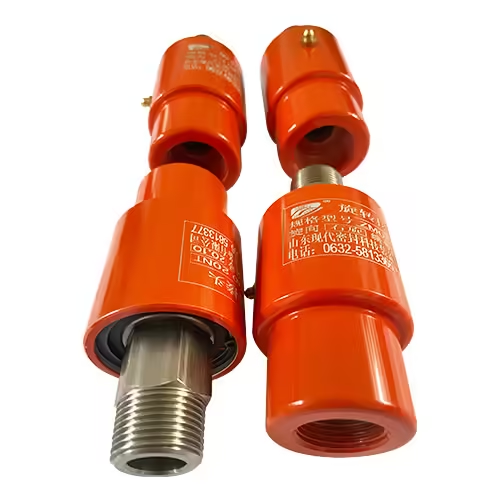
Maintaining rotary joints for air is straightforward but critical:
- Inspect seals regularly for wear
- Monitor pressure and flow rates to detect early problems
- Lubricate bearings if required by the design
- Replace worn components proactively to avoid system failure
Routine maintenance prevents downtime and ensures smooth operation over the long term.
Common Challenges and Solutions
| Challenge | Because | Solution |
|---|---|---|
| Air leakage | Worn seals or misalignment | Replace seals, realign joint |
| Pressure drop | Incorrect joint size | Select correct flow rating |
| Vibration | Poor mounting or imbalanced rotation | Proper alignment, secure supports |
| Reduced lifespan | Corrosion or high temperature | Use stainless steel and suitable seal material |
By addressing these issues early, you can maximize the life and performance of your rotary joint.
Tips for Installation
- Always align the rotary joint for air carefully to avoid stress on seals and bearings.
- Use flexible hoses where necessary to reduce vibration transfer.
- Avoid overtightening threaded connections.
- Test airflow and pressure after installation to ensure optimal performance.
Correct installation is just as important as selecting the right joint.
Conclusion
A rotary joint for air is a crucial component in ensuring efficiency, reliability, and safety in pneumatic systems. By carefully evaluating flow, pressure, speed, material, and seal type, you can select a rotary joint that reduces downtime, improves performance, and extends equipment life.
If you want to optimize your system and avoid common air transfer issues, now is the time to review your rotary joints and consult with specialists at Modern Sealing to find the best solution for your machinery.
FAQ
Can a rotary joint for air be used with other gases?
Yes, provided the joint’s material and seal type are compatible with the gas.
What is the maximum RPM for high-speed rotary joints for air?
Many high-quality joints can handle speeds up to 12,000 RPM, but always check the manufacturer’s rating.
How often should I inspect rotary joints?
Routine inspection every 3–6 months is recommended, depending on operating conditions.
Can rotary joints handle moisture in compressed air?
Yes, but ensure seals are resistant to humidity, and consider installing air dryers.
What factors affect the lifespan of a rotary joint for air?
Alignment, pressure, flow rate, seal type, and material quality all impact longevity.
Latest News
Insights & Innovation
