



Table of Contents
Introduction
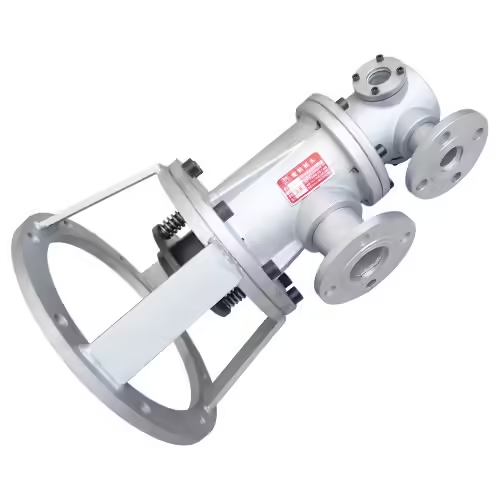
In paper mills, the drying section is one of the most energy-intensive and performance-critical stages. At the center of this process is the rotary joint, responsible for transferring steam into rotating drying cylinders while allowing condensate to exit. When a rotary joint fails or performs below expectations, it directly affects drying efficiency, product quality, and operating costs.
If you are responsible for maintaining or selecting rotary joints in a paper mill, understanding the most common problems and how to prevent them can significantly improve system reliability. This article explores real-world issues found in rotary joint paper mill applications, supported by engineering insights and field experience.
The Role of Rotary Joint Paper Mill Systems
In a rotary joint paper mill system, steam is continuously fed into drying cylinders to evaporate moisture from the paper sheet. The rotary joint must maintain a tight seal under high temperature, pressure, and rotation.
A typical system involves:
- Steam supply through the rotary joint
- Heat transfer inside the drying cylinder
- Condensate removal via siphon or drainage system
Any imbalance in this process can lead to reduced efficiency or mechanical failure.
Key Operating Conditions That Influence Performance
Before looking at problems, it is important to understand the conditions rotary joints operate under in paper mills.
- Temperature: commonly between 120°C and 200°C
- Pressure: typically 0.5 to 1.5 MPa
- Speed: varies depending on machine design, often up to several hundred RPM
- Medium: saturated or superheated steam
According to engineering references from ASME, high-temperature steam environments accelerate material wear and increase the risk of seal failure if materials are not properly selected.
Common Problems of Rotary Joint Paper Mill Systems
1. Steam Leakage
Steam leakage is one of the most frequent issues in rotary joint paper mill systems.
Causes:
- Worn sealing surfaces
- Misalignment during installation
- Thermal expansion affecting sealing contact
Impact:
- Energy loss
- Reduced drying efficiency
- Safety risks in high-temperature environments
Practical insight: Even small leaks can lead to measurable energy loss. Industrial thermal efficiency studies indicate that minor steam leakage can increase energy consumption by more than 5 percent over time.
2. Short Service Life of Seals
Seal wear is inevitable, but premature failure is often caused by incorrect material selection or unsuitable operating conditions.
Common reasons:
- Use of low-grade sealing materials
- Excessive temperature fluctuations
- Poor lubrication conditions
In steam systems, carbon graphite seals are widely used because they provide stable performance under high temperature and pressure.
3. Bearing Failure
Bearings inside rotary joints support rotation and maintain alignment. In high-temperature environments, traditional lubricated bearings may degrade quickly.
Causes:
- Heat-induced lubricant breakdown
- Contamination from condensate
- Mechanical overload
Solution:
Graphite bearings are often used in rotary joint paper mill applications because they operate without external lubrication and can withstand extreme temperatures.
4. Poor Condensate Removal
Condensate is often overlooked but plays a major role in system efficiency.
Problems caused by poor removal:
- Reduced heat transfer efficiency
- Uneven drying across the paper sheet
- Increased mechanical stress inside cylinders
Field data from industrial drying systems shows that inefficient condensate removal can reduce heat transfer performance by 10 to 20 percent.
5. Vibration and Mechanical Instability
Excessive vibration can damage seals and bearings, leading to early failure.
Typical causes:
- Shaft misalignment
- Imbalanced rotating components
- Improper installation
This problem often appears gradually but results in significant maintenance costs if not addressed early.
6. Corrosion and Material Degradation
In some rotary joint paper mill systems, especially those using treated water or chemicals, corrosion can occur.
Effects:
- Surface damage to internal components
- Reduced sealing performance
- Increased risk of leakage
Material selection, such as stainless steel or corrosion-resistant alloys, is critical in preventing this issue.
Comparison of Problems and Solutions
| Problem | Main Cause | Impact | Recommended Solution |
|---|---|---|---|
| Steam Leakage | Seal wear, misalignment | Energy loss, safety risk | Use high-quality graphite seals, ensure alignment |
| Short Seal Life | Poor material selection | Frequent replacement | Select high-temperature resistant materials |
| Bearing Failure | Heat and lubrication issues | Mechanical instability | Use graphite or high-temperature bearings |
| Poor Condensate Removal | Inadequate system design | Low efficiency | Adopt siphon-based systems |
| Vibration | Misalignment, imbalance | Component damage | Improve installation accuracy |
| Corrosion | Chemical exposure | Material degradation | Use corrosion-resistant materials |
How to Prevent Rotary Joint Problems in Paper Mills
Focus on Proper Selection
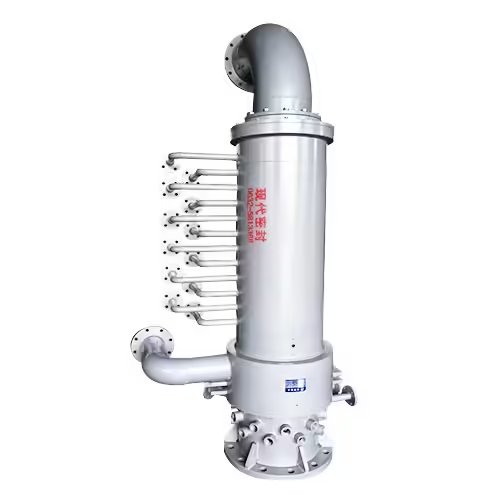
The foundation of reliability is selecting the correct rotary joint for your operating conditions. This includes matching temperature, pressure, and rotational speed with the appropriate design and materials.
Improve Installation Accuracy
Many failures are not caused by the product itself but by improper installation. Ensuring precise alignment and stable mounting can significantly extend service life.
Optimize Condensate Removal Systems
A well-designed condensate removal system improves efficiency and reduces internal stress. Siphon systems are recommended for high-speed paper machines.
Use High-Quality Materials
Investing in high-quality seals and bearings reduces long-term maintenance costs. Materials such as carbon graphite and stainless steel provide better durability in steam environments.
Implement Regular Maintenance
Routine inspection and preventive maintenance can identify early signs of wear or misalignment, allowing corrective action before failure occurs.
Practical Insight from Industry Experience
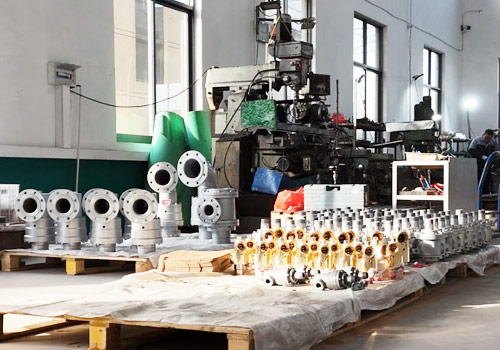
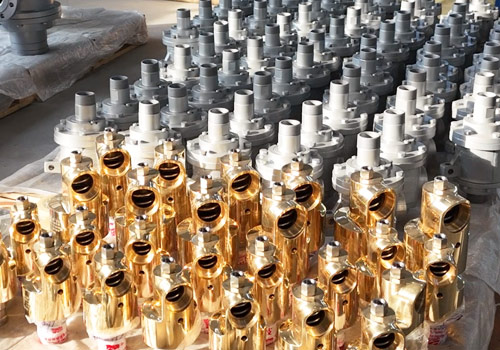
In real rotary joint paper mill operations, performance improvements often come from small adjustments rather than major system changes.
For example:
- Replacing standard seals with graphite seals can extend service intervals
- Improving alignment during installation reduces vibration-related failures
- Upgrading condensate removal systems enhances drying efficiency
Operational reports from industrial systems indicate that addressing these factors can reduce maintenance frequency by up to 30 percent and improve overall system efficiency.
Conclusion
Rotary joint paper mill systems operate under demanding conditions where temperature, pressure, and continuous rotation combine to create significant mechanical stress. Understanding the most common problems, from steam leakage to condensate management, allows you to take proactive steps to improve reliability.
By focusing on proper selection, material quality, and system design, you can reduce downtime, improve efficiency, and extend the service life of your equipment. In the long run, a well-optimized rotary joint is not just a component—it is a key factor in achieving stable and efficient paper production.
FAQ
What causes steam leakage in rotary joint paper mill systems
Steam leakage is usually caused by worn seals, improper installation, or thermal expansion affecting sealing surfaces.
How can I extend the life of a rotary joint
Use high-quality materials, ensure proper installation, and perform regular maintenance to prevent premature wear.
Why is condensate removal important in paper mills
Condensate reduces heat transfer efficiency and can cause uneven drying, making effective removal essential for performance.
What type of bearing is best for high-temperature rotary joints
Graphite bearings are often preferred because they can operate without lubrication and withstand high temperatures.
How do I know if my rotary joint is failing
Common signs include steam leakage, unusual vibration, reduced drying efficiency, and increased maintenance frequency.
Need Help Solving Rotary Joint Issues in Your Paper Mill?
If you are facing leakage, short service life, or efficiency loss, our team can help. We provide high-performance rotary joints, metal hoses, and graphite bearing solutions tailored to your working conditions. Contact us today to get a reliable and cost-effective solution for your system.
Latest News
Insights & Innovation
