
-
هاتف: +86-13581108878
-
بريد إلكتروني: 13581108878@163.com



تتطور أنظمة نقل السوائل الصناعية بسرعة. ومع ازدياد تعقيد العمليات، لم يعد المهندسون راضين عن الخراطيم المطاطية القياسية أو الخراطيم المعدنية الأساسية. إنهم بحاجة إلى حلول يمكنها التعامل مع المواد الكيميائية العدوانية ودرجات الحرارة القصوى والاهتزاز والتعب طويل الأمد دون استبدال متكرر.
هذا هو المكان الذي يبرز فيه خرطوم التيفلون المعدني. من خلال الجمع بين المقاومة الكيميائية للتفلون (PTFE) والقوة الميكانيكية لهيكل الخرطوم المموج المصنوع من الفولاذ المقاوم للصدأ، فإنه يخلق حلاً موثوقًا للغاية للبيئات الصناعية الصعبة.
في هذا الدليل، ستفهم كيفية عمل هذا الخرطوم، ولماذا يتم استخدامه بشكل متزايد في جميع الصناعات، وكيف يمكن مقارنته بأنواع الخراطيم الأخرى، وما يجب عليك مراعاته قبل اختياره لنظامك.
جدول المحتويات
لماذا تتحرك الصناعات الحديثة نحو هياكل الخراطيم الهجينة
تنقسم أنظمة الخراطيم التقليدية عادةً إلى فئتين:
- الخراطيم المطاطية: مرنة ولكن محدودة في درجة الحرارة والمقاومة الكيميائية
- الخراطيم المعدنية: قوية ولكنها محدودة في بعض الأحيان في التوافق الكيميائي
تتطلب الأنظمة الصناعية الحديثة كلا الأمرين:
- مقاومة كيميائية عالية
- استقرار درجات الحرارة العالية
- المرونة الميكانيكية
- عمر خدمة طويل تحت الاهتزاز
وقد أدى هذا الطلب إلى اعتماد هياكل هجينة مثل الخراطيم المعدنية المبطنة بالتفلون.
وفقًا لدراسات نقل السوائل الصناعية المشار إليها في أدلة مواد الهندسة الكيميائية، تُستخدم المواد المعتمدة على PTFE على نطاق واسع نظرًا لخمولها الكيميائي الممتاز وثباتها الحراري.
ما هو خرطوم تفلون المعدني؟
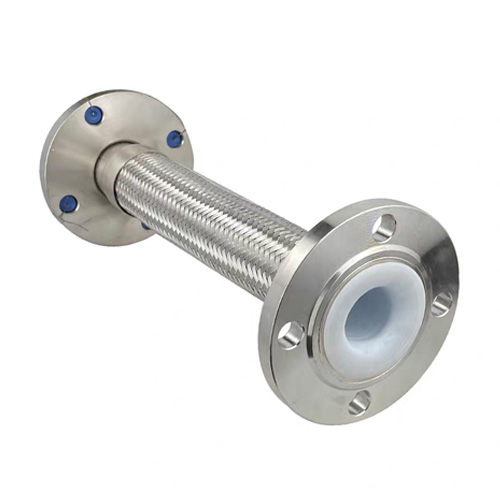
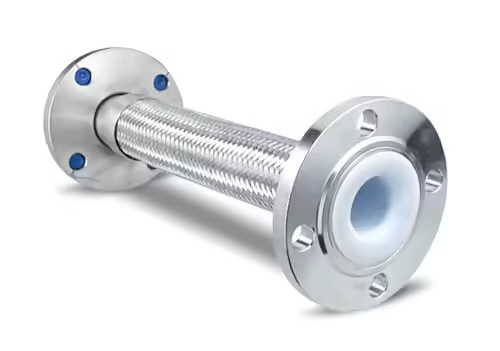
خرطوم تفلون المعدني عبارة عن هيكل خرطوم مركب يتضمن عادةً ما يلي
- البطانة الداخلية: طبقة PTFE (Teflon) للمقاومة الكيميائية
- الطبقة الخارجية: جديلة مموجة من الفولاذ المقاوم للصدأ لمقاومة الضغط
- الهيكل المتوسط: تمويج مرن لامتصاص الحركة
يخلق هذا المزيج خرطومًا قادرًا على التعامل مع الوسائط العدوانية مع الحفاظ على المتانة الميكانيكية.
يمكنك أيضًا استكشاف مكونات النظام ذات الصلة هنا:
كيف يعمل خرطوم تفلون المعدني في الأنظمة الصناعية
يعتمد مبدأ العمل على هندسة الطبقة المزدوجة
طبقة PTFE الداخلية
- يمنع التفاعل الكيميائي مع الوسائط
- يقلل من مخاطر التلوث
- يضمن تدفق السوائل بسلاسة
التضفير المعدني الخارجي
- يوفر القوة الهيكلية
- يقاوم تمدد الضغط
- يحمي من الأضرار الميكانيكية
الأساسية المموجة
- يسمح بالمرونة
- يمتص الاهتزاز
- يقلل الضغط على المعدات المتصلة
هذا الهيكل يجعله مناسبًا لكل من التطبيقات الثابتة والديناميكية.
لماذا يعتبر PTFE (Teflon) بالغ الأهمية في أنظمة نقل المواد الكيميائية
PTFE هي واحدة من أكثر المواد الخاملة كيميائيا المتوفرة في الهندسة الصناعية. إنه يقاوم:
- أحماض قوية
- قلويات قوية
- المذيبات
- السوائل الصناعية التفاعلية
وهذا يجعلها ضرورية في الأنظمة التي لا يمكن فيها تحمل التلوث أو التفاعل الكيميائي.
وفقًا لمراجع هندسة المواد، يتمتع PTFE بأحد أقل معاملات الاحتكاك بين المواد الصلبة، مما يعمل أيضًا على تحسين كفاءة التدفق في أنظمة نقل السوائل.
المزايا الرئيسية لخرطوم تفلون المعدني
1. مقاومة كيميائية استثنائية
تمنع الطبقة الداخلية PTFE التآكل والتدهور الكيميائي حتى في البيئات شديدة العدوانية.
2. ثبات درجات الحرارة العالية
تعمل خراطيم التيفلون المعدنية بشكل جيد في البيئات ذات درجات الحرارة العالية والمنخفضة، مما يجعلها مناسبة لأنظمة التدوير الحراري.
3. القوة الميكانيكية من التضفير المعدني
الطبقة الخارجية من الفولاذ المقاوم للصدأ تحمي من:
- الضرر الخارجي
- توسع الضغط
- كشط
4. الاهتزاز وامتصاص الحركة
يساعد الهيكل المموج على تقليل الضغط على:
- مضخات
- المفاصل الدوارة
- الضواغط
- موصلات خطوط الأنابيب
يمكنك استكشاف الأنظمة الدوارة ذات الصلة هنا:
جدول المقارنة: خرطوم تفلون المعدني مقابل أنواع الخراطيم الأخرى
| ميزة | خرطوم مطاطي | خرطوم معدني قياسي | خرطوم معدني من التفلون |
|---|---|---|---|
| المقاومة الكيميائية | منخفض ومتوسط | واسطة | ممتاز |
| مقاومة درجة الحرارة | واسطة | عالي | عالية جدًا |
| المرونة | عالي | واسطة | عالي |
| مقاومة الضغط | واسطة | عالي | عالي |
| خطر التلوث | واسطة | قليل | منخفض جدا |
| خدمة الحياة في وسائل الإعلام القاسية | قصير | واسطة | طويل |
توضح هذه المقارنة سبب استخدام الخراطيم المعدنية الهجينة PTFE على نطاق واسع في الأنظمة الصناعية الحديثة.
التطبيقات الصناعية الشائعة
أنظمة المعالجة الكيميائية
يستخدم لنقل السوائل المسببة للتآكل حيث يجب تجنب التلوث.
أنظمة البخار والحرارة
يتعامل مع الوسائط ذات درجة الحرارة العالية دون تدهور.
اتصالات المعدات الدوارة
غالبًا ما يستخدم جنبًا إلى جنب مع المفاصل الدوارة لامتصاص الاهتزاز والحركة.
الأنظمة الصيدلانية والنظيفة
يضمن نقل السوائل النظيفة دون ترشيح كيميائي.
أنظمة الأتمتة الصناعية
تستخدم في خطوط الإنتاج المستمرة حيث تكون الموثوقية أمرًا بالغ الأهمية.
الاعتبارات الهندسية قبل الاختيار
يتطلب اختيار خرطوم التيفلون المعدني المناسب التقييم
نطاق درجة حرارة التشغيل
ضمان التوافق مع الظروف الحرارية.
التوافق الكيميائي
تأكيد المقاومة لجميع وسائل الإعلام المنقولة.
تصنيف الضغط
مطابقة هيكل الخرطوم مع متطلبات ضغط النظام.
متطلبات الحركة
النظر في الحركة المحورية أو الجانبية أو الاهتزازية.
بيئة التثبيت
تعتبر قيود المساحة ونصف قطر الانحناء ذات أهمية كبيرة.
أسباب الفشل الشائعة
حتى الخراطيم المتقدمة يمكن أن تفشل إذا لم يتم تطبيقها بشكل صحيح.
الإفراط في الانحناء
يؤدي تجاوز الحد الأدنى لنصف قطر الانحناء إلى تقليل عمر الخدمة.
ارتفاع الضغط
يمكن أن تؤدي المسامير المفاجئة إلى إتلاف الهيكل المموج.
التأريض أو الدعم غير السليم
يجب ألا يركز الضغط الميكانيكي على أطراف الخرطوم.
سوء التطبيق الكيميائي
يمكن أن يؤدي استخدام مواد كيميائية غير متوافقة إلى تحلل بطانة PTFE بمرور الوقت.
الصيانة وتحسين دورة الحياة
لإطالة عمر الخدمة:
- فحص التضفير الخارجي بانتظام
- تجنب الالتواء أثناء التثبيت
- مراقبة مصادر الاهتزاز في المعدات المتصلة
- ضمان محاذاة الدعم المناسبة
- استبدال الخراطيم التي تظهر عليها علامات التشوه المبكرة
تظهر دراسات الصيانة الصناعية أن الفحص الوقائي يمكن أن يقلل بشكل كبير من الأعطال غير المتوقعة للخراطيم في أنظمة التشغيل المستمر.
لماذا يفضل المهندسون خرطوم تفلون المعدني في الأنظمة الحديثة
التصميم الصناعي الحديث يتجه نحو:
- تعقيد كيميائي أعلى
- دورات التشغيل المستمرة
- تخطيطات المعدات المدمجة
- انخفاض الاعتماد على الصيانة
تتوافق خراطيم التيفلون المعدنية بشكل جيد مع هذه الاتجاهات لأنها تقلل من نقاط الفشل وتبسط تصميم النظام.
إنها ذات قيمة خاصة في الأنظمة التي يكون فيها وقت التوقف عن العمل مكلفًا أو يصعب إدارته.
الخاتمة
يمثل خرطوم تفلون المعدني حلاً هندسيًا حديثًا مصممًا للبيئات الصناعية المتزايدة الطلب. ومن خلال الجمع بين المقاومة الكيميائية والقوة الميكانيكية، فإنه يسد الفجوة بين الخراطيم المطاطية التقليدية والخراطيم المعدنية القياسية.
عند اختياره وتثبيته بشكل صحيح، فإنه يعمل على تحسين موثوقية النظام، ويقلل من تكرار الصيانة، ويعزز السلامة التشغيلية الشاملة في تطبيقات نقل السوائل المعقدة.
التعليمات
ما هو خرطوم معدني من التفلون تستخدم ل؟
يتم استخدامه لنقل المواد الكيميائية والسوائل ذات درجة الحرارة العالية والوسائط المسببة للتآكل في الأنظمة الصناعية.
لماذا الجمع بين التيفلون والخرطوم المعدني؟
يوفر التيفلون مقاومة كيميائية بينما يوفر المعدن قوة ميكانيكية.
هل يمكنه التعامل مع الضغط العالي؟
نعم، يدعم هيكل التضفير المعدني تطبيقات الضغط العالي.
هل هي مناسبة للسوائل الساخنة؟
نعم، يحافظ PTFE على الاستقرار في ظل ظروف درجات الحرارة المرتفعة.
ما الذي يسبب فشل خرطوم تفلون المعدني؟
تشمل الأسباب الشائعة الإفراط في الانحناء وارتفاع الضغط والاستخدام الكيميائي غير الصحيح.
أين يتم استخدامه بشكل شائع؟
ويستخدم على نطاق واسع في المعالجة الكيميائية، والأنظمة الحرارية، والمعدات الدوارة، والأتمتة الصناعية.
أحدث أخبار
الرؤى والابتكار
