
-
هاتف: +86-13581108878
-
بريد إلكتروني: 13581108878@163.com



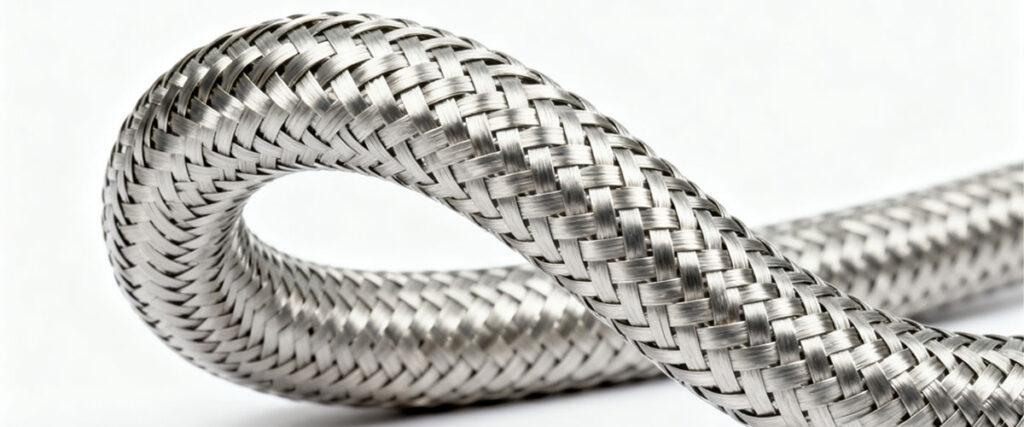
عندما تعمل مع أنظمة نقل السوائل أو الغاز ذات الضغط العالي، اختر ما هو صحيح خرطوم معدني لا يقتصر الأمر على مجرد قرار شراء، بل يؤثر بشكل مباشر على السلامة وكفاءة النظام وتكلفة التشغيل على المدى الطويل. يمكن أن يؤدي الاختيار الخاطئ إلى التسرب أو فقدان الضغط أو حتى فشل النظام، بينما يضمن الاختيار الصحيح أداءً مستقرًا في ظل الظروف الصناعية الصعبة.
ستتعلم في هذا الدليل كيفية اختيار الخرطوم المعدني المناسب لأنظمة الضغط العالي بناءً على اعتبارات هندسية حقيقية وسلوك مادي وخبرة ميدانية عملية. الهدف هو مساعدتك على اتخاذ قرار سليم من الناحية الفنية بدلاً من التخمين بناءً على السعر أو المظهر.
جدول المحتويات
فهم ما يفعله الخرطوم المعدني في أنظمة الضغط العالي
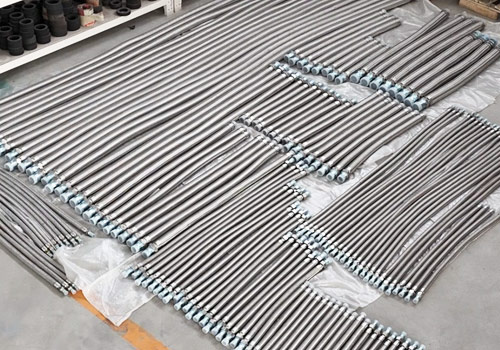
الخرطوم المعدني عبارة عن قناة مرنة مصممة لنقل السوائل أو الغازات مع تحمل الحركة الميكانيكية وتقلبات الضغط وتغيرات درجات الحرارة. على عكس الخراطيم المطاطية أو البلاستيكية، تُصنع الخراطيم المعدنية عادةً من الفولاذ المقاوم للصدأ أو السبائك الأخرى، مما يوفر مقاومة أعلى للضغط والتآكل.
في بيئات الضغط العالي، يجب أن يحافظ الخرطوم على السلامة الهيكلية مع امتصاص الاهتزاز والتمدد الحراري وحركة النظام. وفقًا لدراسات نظام السوائل الصناعية العامة، تمثل الخراطيم المرنة المختارة بشكل غير صحيح ما يقرب من 20.30% من وقت التوقف غير المخطط له في أنظمة نقل الضغط العالي بسبب مشكلات التعب أو التسرب.
لماذا يعد اختيار الخراطيم المعدنية أكثر أهمية في تطبيقات الضغط العالي
تقدم أنظمة الضغط العالي عوامل إجهاد فريدة من نوعها
- الضغط الداخلي يدفع إلى الخارج على جدران الخراطيم
- الاهتزاز الميكانيكي الخارجي من المعدات
- التوسع والانكماش الناجم عن درجة الحرارة
- الثني المستمر في التركيبات الديناميكية
إذا لم يكن الخرطوم مصممًا لهذه الظروف، فغالبًا ما يحدث الفشل عند أضعف نقطة عادة في هيكل الجديلة أو التموج.
ولهذا السبب فإن اختيار الخرطوم المعدني لا يتعلق فقط بالحجم أو نوع الاتصال، بل يتعلق بفهم ظروف التشغيل بالتفصيل.
العوامل الرئيسية التي يجب مراعاتها عند اختيار خرطوم معدني
1. تصنيف ضغط التشغيل
يتمتع كل خرطوم معدني بأقصى ضغط عمل مسموح به. يجب عليك دائمًا تحديد خرطوم بدرجة أعلى بما لا يقل عن 1.5 إلى 2 مرة من ضغط التشغيل العادي لنظامك لضمان هامش الأمان.
2. نطاق درجة الحرارة
تؤثر درجة الحرارة على كل من الهيكل المعدني وأداء الختم. تقلل درجات الحرارة المرتفعة من مقاومة التعب بمرور الوقت، في حين أن درجات الحرارة المنخفضة للغاية يمكن أن تجعل المواد هشة.
3. توافق الوسائط
تتفاعل السوائل أو الغازات المختلفة بشكل مختلف مع المعادن. قد تتطلب الوسائط المسببة للتآكل درجات من الفولاذ المقاوم للصدأ ذات مقاومة أعلى للتآكل أو بطانات داخلية متخصصة.
4. متطلبات المرونة
لا تتطلب جميع الأنظمة نفس المستوى من الحركة. الإفراط في ثني الخرطوم المصمم للاستخدام الثابت يمكن أن يقلل من العمر الافتراضي بشكل كبير.
5. نوع الاتصال النهائي
تؤثر جميع التوصيلات ذات الحواف أو الملولبة أو الملحومة على موثوقية التثبيت وأداء الختم.
أنواع هياكل الخراطيم المعدنية المرنة
أنواع البناء المختلفة تخدم تطبيقات مختلفة:
- خرطوم معدني مموج
يوفر المرونة ومقاومة الضغط، ويشيع استخدامها في الأنظمة الديناميكية. - خرطوم معدني مضفر
معززة بضفيرة خارجية لزيادة قدرة الضغط والقوة الميكانيكية. - خرطوم مزدوج الشراع
مصمم لتطبيقات الضغط الشديد التي تتطلب هامش أمان إضافي. - خرطوم معدني مبطن
يتضمن بطانة داخلية للمقاومة الكيميائية وتحسين التدفق.
جدول المقارنة: أنواع خراطيم المعادن لأنظمة الضغط العالي
| نوع الخرطوم | قدرة الضغط | المرونة | أفضل منطقة التطبيق | الميزة الرئيسية |
|---|---|---|---|---|
| خرطوم معدني مموج | واسطة | عالي | الأنظمة الصناعية العامة | مرونة عالية |
| خرطوم معدني مضفر | عالي | واسطة | الأنظمة الهيدروليكية والبخارية | تعزيز الضغط |
| خرطوم مزدوج الشراع | عالية جدًا | منخفض متوسط | بيئات الضغط الشديد | أقصى قدر من السلامة |
| خرطوم معدني مبطن | متوسط-عالي | واسطة | أنظمة نقل المواد الكيميائية | مقاومة التآكل |
رؤية التطبيق في العالم الحقيقي
في أنظمة الإنتاج الصناعي مثل خطوط التصنيع الآلية، غالبًا ما تُستخدم الخراطيم المعدنية لتوصيل المعدات الدوارة أو الاهتزازية حيث لا يمكن استخدام الأنابيب الصلبة.
تظهر تقارير الصيانة الميدانية أن الترقية من الخراطيم المرنة القياسية إلى الخراطيم المعدنية المضفرة في أنظمة الضغط العالي يمكن أن تقلل من حوادث التسرب بما يصل إلى 35% وتطيل عمر الخدمة بمقدار 20 porach0%، اعتمادًا على ظروف التشغيل.
ويرجع هذا التحسن بشكل أساسي إلى مقاومة التعب الأفضل وتحسين توزيع الضغط عبر هيكل الخرطوم.
الأخطاء الشائعة عند اختيار خرطوم معدني
الاختيار على أساس السعر فقط
غالبًا ما تضحي الخراطيم منخفضة التكلفة بكثافة الجديلة أو جودة المادة، مما يقلل من مقاومة الضغط.
تجاهل ارتفاع الضغط
نادراً ما تعمل الأنظمة عند ضغط ثابت. يمكن أن تتجاوز المسامير المفاجئة حدود التصميم إذا لم يتم أخذها في الاعتبار.
تطل على حركة التثبيت
إذا تم تركيب خرطوم دون النظر إلى اتجاه الحركة، فسوف يفشل قبل الأوان بسبب الضغط الميكانيكي.
تركيبات نهاية غير صحيحة
حتى الخرطوم عالي الجودة سوف يفشل إذا كانت التركيبات غير متطابقة أو محكمة الغلق بشكل غير صحيح.
أفضل ممارسات تركيب الخراطيم المعدنية
لتعظيم العمر:
- تجنب الالتواء أثناء التثبيت
- الحفاظ على الحد الأدنى لنصف قطر الانحناء
- استخدم أدوات المحاذاة المناسبة
- تأكد من عزم دوران التركيبات بشكل صحيح
- تجنب نقاط الضغط الميكانيكية الخارجية
يمكن أن يؤدي التثبيت السليم إلى زيادة عمر الخرطوم بأكثر من 25% وفقًا لإرشادات الصيانة الصناعية العامة.
إرشادات الصيانة والتفتيش
الفحص المنتظم أمر بالغ الأهمية في أنظمة الضغط العالي
- تحقق من تآكل السطح أو تلف الجديلة
- فحص التركيبات للتسرب أو الارتخاء
- مراقبة نقاط التعرض للاهتزاز
- استبدال الخراطيم التي تظهر عليها علامات التعب المبكر
يعد نهج الصيانة الوقائية أكثر فعالية من حيث التكلفة بشكل ملحوظ من الاستبدال في حالات الطوارئ أثناء توقف النظام.
متى يجب عليك استبدال خرطوم معدني مرن؟
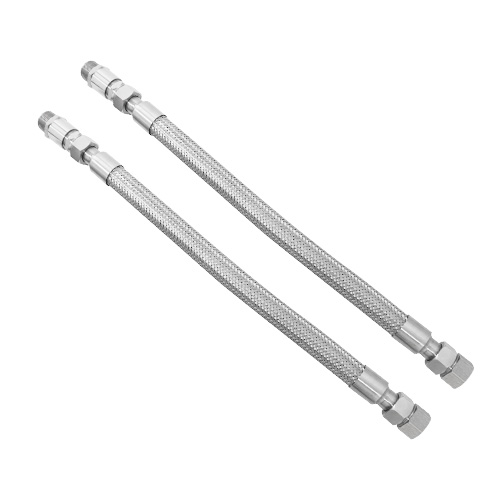
يجب أن تفكر في الاستبدال إذا لاحظت:
- تشقق أو تشوه مرئي
- تسرب متكرر في التركيبات
- انخفاض المرونة أو تغيرات الصلابة
- تآكل على السطح الخارجي
وحتى لو كان الخرطوم لا يزال قيد التشغيل، فإن هذه العلامات تشير إلى انخفاض هوامش الأمان.
الاتجاهات المستقبلية في تكنولوجيا الخراطيم المعدنية
تعتمد الأنظمة الصناعية الحديثة بشكل متزايد
- مواد سبائك عالية القوة لعمر تعب أطول
- أجهزة استشعار مراقبة ذكية للضغط والاهتزاز
- هياكل جديلة محسنة لمزيد من المرونة والمتانة
وفقًا لاتجاهات أبحاث المواد الصناعية، يمكن للخراطيم المتقدمة القائمة على السبائك تحسين مقاومة التعب بما يصل إلى 30% مقارنة بتصميمات الفولاذ المقاوم للصدأ التقليدية.
خاتمة
إن اختيار الخرطوم المعدني المناسب لأنظمة الضغط العالي يتعلق بفهم ظروف التشغيل الحقيقية، وليس فقط المواصفات الموجودة على الورق. عندما تقوم بتقييم الضغط ودرجة الحرارة وتوافق الوسائط وبيئة التثبيت معًا، فإنك تقلل المخاطر بشكل كبير وتحسن موثوقية النظام.
لا يضمن الخرطوم المعدني الذي تم اختياره وتركيبه بشكل صحيح السلامة فحسب، بل يعمل أيضًا على تحسين الكفاءة وتقليل وقت التوقف عن العمل وإطالة العمر الإجمالي لمعداتك.
التعليمات
ما هي الميزة الرئيسية لاستخدام أ خرطوم معدني في أنظمة الضغط العالي؟
توفر الخراطيم المعدنية مقاومة عالية للضغط ومرونة ومتانة مقارنة بالبدائل غير المعدنية.
كيف أعرف ما هو تصنيف الضغط الذي أحتاجه؟
حدد خرطومًا بتقييم لا يقل عن 1.5 ضعف ضغط التشغيل العادي لنظامك.
هل يمكن لمعادن الخراطيم التعامل مع الضغط ودرجة الحرارة القصوى؟
نعم، اعتمادًا على المادة والهيكل، ولكن الاختيار الصحيح أمر بالغ الأهمية للتشغيل الآمن.
كم من الوقت يستمر الخرطوم المعدني عادة؟
يتراوح العمر الافتراضي من 3 إلى 10 سنوات حسب ظروف الاستخدام والصيانة.
ما الذي يسبب معظم الأعطال المعدنية للخرطوم؟
يعد التثبيت غير الصحيح والضغط الزائد والتعب الناتج عن الحركة المفرطة من الأسباب الأكثر شيوعًا.
هل تحتاج إلى مساعدة في اختيار الخرطوم المعدني المناسب؟
إذا لم تكن متأكدًا من الخرطوم المعدني الأفضل لنظام الضغط العالي أو التطبيق الصناعي، فإن خبرائنا الفنيين موجودون هنا للمساعدة. اتصل بنا اليوم للحصول على استشارة شخصية، والتأكد من أن نظام نقل السوائل الخاص بك آمن وفعال ومصمم للأداء على المدى الطويل. لا تنتظر حتى تؤدي التسريبات أو الأعطال إلى تعطيل العملية الخاصة بك، انسحب الآن لحماية أجهزتك والحفاظ على تشغيل نظامك بشكل موثوق!
أحدث أخبار
الرؤى والابتكار
