
-
هاتف: +86-13581108878
-
بريد إلكتروني: 13581108878@163.com



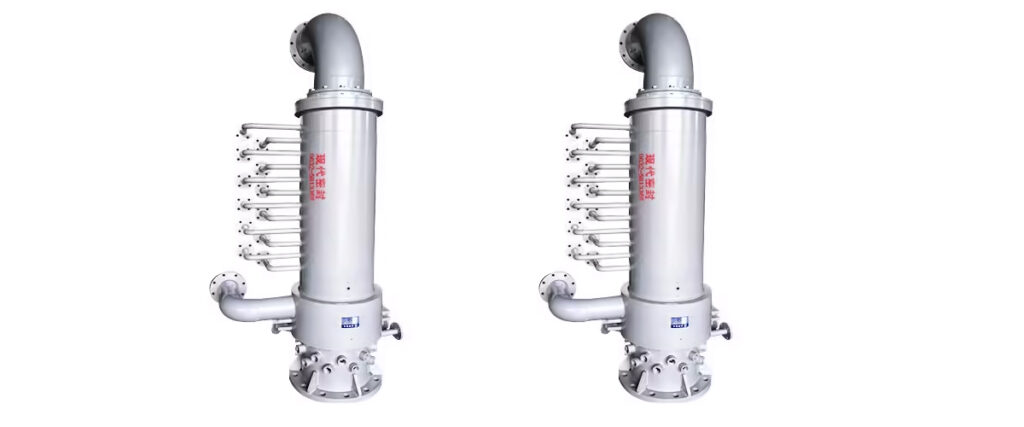
عندما تدير خط إنتاج عالي الإنتاج، فإن أصغر المكونات غالبًا ما تحدد وتيرة نجاحك. أنت تعلم أن التسرب المفاجئ في خط البخار أو الزيت الحراري ليس مجرد صداع للصيانة؛ إنها نقطة توقف كاملة لإيراداتك. في عالم نقل السوائل الصناعية، مفصل الضغط الدوار هل البطل المجهول هو الذي يحافظ على دوران بكراتك وانتقال الحرارة بشكل ثابت. ولكن هل تحقق أقصى استفادة من هذه الواجهة المهمة حقًا؟
إذا سبق لك أن تعاملت مع فشل الختم المبكر أو انخفاض الضغط غير المتوقع، فأنت تدرك أنه ليس كل المفاصل متساوية. يتطلب اختيار وصلة الضغط الدوارة المناسبة تحولًا في المنظور من رؤيتها كسلعة قابلة للاستبدال إلى النظر إليها كأصل استراتيجي. سيرشدك هذا الدليل عبر الفروق الفنية الدقيقة في الاختيار والتركيب والتحسين لضمان تشغيل أنظمتك بأعلى كفاءة لسنوات، وليس لأشهر فقط.
جدول المحتويات
الهندسة وراء ثبات الختم عند الضغوط العالية
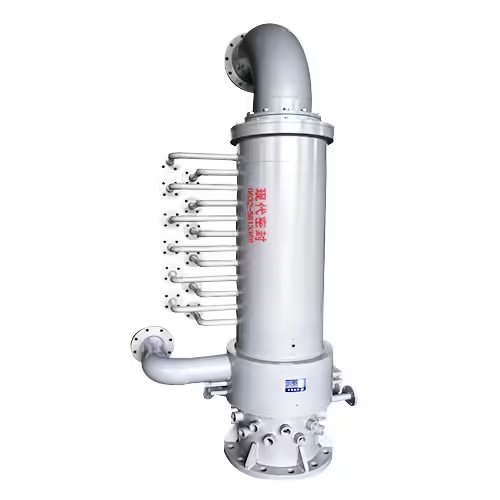
التحدي الأساسي الذي تواجهه مع أي وصلة ضغط دوارة هو الحفاظ على مانع تسرب بينما يحتك سطحان ببعضهما البعض بسرعات عالية ودرجات حرارة عالية. في تصنيع B2B، غالبًا ما يفشل محلول “standard” لأنه لا يأخذ في الاعتبار التقلبات الدقيقة في ضغط نظامك.
عندما تنظر إلى البنية الداخلية لمفصل متميز، فإن السر يكمن في تقنية الختم الميكانيكي. تستخدم الوصلات الحديثة أختامًا متوازنة، حيث يتم استخدام الضغط الهيدروليكي للسائل نفسه لإبقاء وجوه الختم مغلقة دون خلق احتكاك مفرط. تخيل التوازن الدقيق المطلوب: الكثير من الضغط ويتآكل الختم خلال أسابيع؛ قليل جدًا، ولديك رش بالبخار على أرضية المصنع.
يجب عليك إعطاء الأولوية للمفاصل التي تتميز بأختام كربيد السيليكون أو أختام الجرافيت الكربونية المتخصصة. توفر هذه المواد الصلابة اللازمة لمقاومة الجزيئات الكاشطة الموجودة غالبًا في المياه الصناعية والتوصيل الحراري لتبديد الحرارة بعيدًا عن وجه الختم. من خلال اختيار تصميم ختم متوازن، يمكنك تقليل عزم الدوران المطلوب لتدوير المفصل، وهو ما يترجم مباشرة إلى انخفاض استهلاك الطاقة لمحركات القيادة الخاصة بك.
اختيار المواد خارج مستوى السطح
قد تعتقد أن الغلاف المصنوع من الفولاذ المقاوم للصدأ يكفي لضمان طول العمر، ولكن الاختبار الحقيقي لمفصل الضغط الدوار يحدث من الداخل. في منشأتك، كيمياء السوائل ليست ثابتة أبدًا. سواء كنت تتعامل مع الماء المخفف، أو البخار عالي الحرارة، أو الزيوت الحرارية الاصطناعية، فإن كل وسط يتفاعل بشكل مختلف مع السبائك الداخلية.
على سبيل المثال، إذا كنت تقوم بتشغيل دائرة تبريد في خط بثق البلاستيك، فقد يؤدي الماء المؤكسج إلى حفر داخلي. إذا لم تلتقط هذا مبكرًا، فإن الأسطح الداخلية الخشنة سوف تمزق أختامك من الداخل إلى الخارج. ولهذا السبب يجب عليك البحث عن المفاصل التي تخضع للطلاء الكهربائي لكامل الجسم أو المصنوعة من الفولاذ المقاوم للصدأ عالي الجودة سعة 316 لترًا.
يجب أن يكون الغلاف أيضًا صلبًا بدرجة كافية للتعامل مع إجهاد الأنابيب النفاثة والقوة البدنية التي تمارسها الخراطيم المتصلة بالمفصل. سوف ينثني الغلاف خفيف الوزن وسيئ الصب تحت الضغط، مما يؤدي إلى اختلال المحاذاة. بمجرد محاذاة وصلة الضغط الدوارة الخاصة بك ولو بجزء صغير من المليمتر، فإن وجوه الختم سوف تتآكل بشكل غير متساو، ويصبح الفشل الكارثي أمرًا لا مفر منه.
موازنة السرعة والضغط في دورات الخدمة الشاقة
في بيئة الإنتاج الخاصة بك، من المحتمل أنك تدفع معداتك إلى أقصى حدودها. ربما تكون قد قمت بزيادة سرعة خطك للوفاء بعقد جديد، أو قمت برفع ضغط الغلاية لتحسين نقل الحرارة. هذا هو المكان الذي يصبح فيه “PV Limit” (سرعة الضغط) لمفصل الضغط الدوار الخاص بك هو الرقم الأكثر أهمية في ورقة البيانات الفنية الخاصة بك.
يحدد الحد الكهروضوئي الحد الأقصى لمزيج الضغط وسرعة الدوران التي يمكن للختم التعامل معها. إذا قمت بدفع الضغط لأعلى، فسيتعين عليك عمومًا خفض السرعة للحفاظ على صحة الختم. تستخدم المفاصل الاحترافية محامل عالية الدقة لإدارة هذه المقايضة. من خلال استخدام محامل كروية ذات صف مزدوج أو محامل أسطوانية مدببة، يمكن للمفصل امتصاص الدفع المحوري الناتج عن سائل الضغط العالي مع الحفاظ على دوران متحد المركز تمامًا.
عندما تقوم بمصدر الدفعة التالية من المفاصل، لا تنظر فقط إلى الحد الأقصى لعدد الدورات في الدقيقة. اسأل المورد الخاص بك عن منحنى الأداء. تريد وصلة ضغط دوارة تعمل في نقطة “sweet الخاصة بها أثناء وقت التشغيل القياسي على مدار الساعة طوال أيام الأسبوع، مما يترك لك هامش أمان لتلك الفترات التي تحتاج فيها إلى رفع تردد التشغيل للإنتاج.
المواصفات الفنية ودليل التوافق
لمساعدتك في اتخاذ قرار مستنير، راجع هذه المقارنة بين المواصفات الشائعة التي ستواجهها عند تحسين أنظمة نقل السوائل لديك.
| مواصفة | الدرجة الصناعية القياسية | درجة تصنيع المعدات الأصلية عالية الأداء | التأثير الصناعي |
| مادة الختم | الكربون القياسي / NBR | كربيد السيليكون / الجرافيت | 3x عمر أطول في الوسائط الكاشطة |
| أقصى ضغط | 10 بار (145 رطل لكل بوصة مربعة) | 40+ بار (580+ رطل لكل بوصة مربعة) | آمن للبخار/الزيت عالي الضغط |
| نوع المحمل | كرة صف واحد | الكرة الدقيقة ذات الصف المزدوج | انخفاض الاهتزاز وعزم الدوران |
| الانتهاء من السكن | صب الخام / رسمت | مطلي بالكهرباء / بأكسيد | يمنع التآكل والتنقر |
| تصميم الختم | ميكانيكية غير متوازنة | هيدروليكي متوازن | سحب منخفض الطاقة على محركات القيادة |
| أقصى درجة حرارة | 120° مئوية (248° فهرنهايت) | 315°C+ (600°F+) | ضروري لأنظمة الزيوت الحرارية |
| اتصال الأنابيب | الخيوط NPT/BSP | ذو حواف / متعدد الخيارات | يسهل التثبيت ويقلل من التسربات |
دراسة حالة: تقليل وقت التوقف عن العمل في نظام تبريد مصنع الورق
دعونا نلقي نظرة على مثال عملي. كان مصنع الورق متوسط الحجم يعاني من اسطوانات التجفيف الخاصة به. كانوا يستخدمون وصلة ضغط دوارة عامة على 48 بكرة مختلفة. كل ثلاثة أشهر، قد تفشل وصلتان على الأقل، مما يتطلب إيقاف التشغيل لمدة 12 ساعة للاستبدال وتبريد النظام.
بعد التدقيق الفني، اكتشفنا أن سلالة “piping” من الخراطيم الصلبة كانت تتسبب في إمالة المفاصل قليلاً. أوصينا بالتحول إلى وصلة ضغط دوارة عالية الأداء تتميز بتصميم “ كروي مانع للتسرب ومحامل مزدوجة معززة. والأهم من ذلك، أننا ساعدناهم على الانتقال إلى خراطيم مضفرة مرنة من الفولاذ المقاوم للصدأ مع هندسة ”slack“ الصحيحة.
وكانت النتائج فورية. انتقل المصنع من 8 وصلات فاشلة سنويًا إلى صفر أعطال في أول 18 شهرًا. ومن خلال إنفاق 20% أكثر على وصلة ضغط دوارة متميزة، فقد وفروا ما يقدر بنحو $45000 من العمالة ووقت الإنتاج الضائع. هذا هو الفرق بين شراء جزء والاستثمار في الحل.
أفضل ممارسات التثبيت: الفحص الدقيق المكون من 5 خطوات
حتى وصلة الضغط الدوارة الأكثر تكلفة ستفشل إذا تعامل معها فريق الصيانة الخاص بك كتركيبات أنابيب قياسية. يجب عليك التعامل مع هذه الوصلات كمعدات دوارة عالية الدقة. اتبع هذه الخطوات لضمان التثبيت الناجح
- المحاذاة هي الملك: استخدم مؤشر الاتصال لضمان أن يكون مغزل الماكينة متحد المركز تمامًا مع مدخل المفصل. حتى الإزاحة البالغة 0.05 مم يمكن أن تخلق اهتزازات توافقية تحطم أختام السيراميك.
- الخراطيم المرنة إلزامية: لا تقم أبدًا بتركيب وصلة ضغط دوارة بالأنابيب الصلبة. يجب عليك استخدام خراطيم مرنة للسماح للمفصل بالتدفق قليلاً. تأكد من أن الخرطوم طويل بما يكفي للحصول على منحنى لطيف؛ الخرطوم الضيق للغاية سوف يسحب المفصل خارج المحاذاة.
- تطهير النظام: قبل تركيب وصلة جديدة، قم بغسل خطوط التبريد أو البخار. سوف يعمل حطام البناء أو الصدأ الناتج عن الأنابيب القديمة أو خبث اللحام مثل ورق الصنفرة على وجوه الختم الجديدة.
- قضبان البقاء المضادة للتدوير: تأكد من تثبيت الجهاز المضاد للدوران ولكن ليس محملاً مسبقًا بـ “.” يجب أن يمنع الغلاف من الدوران ولكن يجب ألا يمارس أي حمل جانبي على المفصل.
- الحماية من التشغيل الجاف: لا تقم أبدًا بتدوير وصلة الضغط الدوارة بدون سائل إلا إذا كانت مصممة خصيصًا للتشغيل الجاف. يعمل السائل كمواد تشحيم ومبرد لأوجه الختم.
عائد الاستثمار الخفي لكفاءة الطاقة
في المشهد B2B الحالي، تعد تكاليف الطاقة عنصرًا رئيسيًا في P&L الخاص بك. هل فكرت في مقدار الطاقة التي يتم إهدارها بواسطة وصلة الضغط الدوارة عالية الاحتكاك؟ إذا كان لديك 50 بكرة على الآلة، وكل وصلة تتطلب 0.5 كيلووات إضافية للتغلب على الاحتكاك بسبب سوء تصميم المحمل أو الختم، فإنك تهدر 25 كيلووات في الساعة.
على مدار سنة إنتاج قياسية تبلغ 8000 ساعة، أي 200000 كيلووات في الساعة من الطاقة المهدرة. تستخدم الوصلات عالية الأداء أشكالًا هندسية محسنة للختم تقلل من منطقة التلامس مع الحفاظ على الختم المثالي. وهذا يقلل من السحب على محركاتك. عندما تضرب هذا التوفير في المصنع بأكمله، فإن وصلة الضغط الدوارة تدفع لنفسها تكاليف توفير الطاقة وحدها خلال السنة الأولى.
استكشاف أخطاء أوضاع الفشل الشائعة وإصلاحها
عندما يبدأ المفصل بالتسرب، لا تقم فقط بتبديله. تحتاج إلى إجراء عملية نقل بعد الوفاة لفهم سبب فشلها.
- وجوه الختم المخدد: يشير هذا عادةً إلى وجود جزيئات كاشطة في السائل. أنت بحاجة إلى تحسين نظام الترشيح الخاص بك.
- حواف الختم المتكسرة: هذه علامة كلاسيكية على تأثير مطرقة “water أو ارتفاع الضغط المفاجئ. تحقق من توقيت الصمام ووحدات التحكم في المضخة.
- معدن أزرق/متغير اللون: يشير هذا إلى الحرارة الزائدة، على الأرجح بسبب تجفيف المفصل أو تجاوز حد عدد الدورات في الدقيقة.
- المحامل البالية: يشير هذا إلى أن إجهاد الأنابيب مرتفع جدًا أو أن المفصل يُستخدم عند درجة حرارة تتجاوز تصنيف الشحوم الحاملة له.
من خلال تحليل الفشل، يمكنك ضبط معلمات النظام الخاص بك، مما يضمن أن وصلة الضغط الدوارة التالية التي تقوم بتثبيتها تدوم لفترة أطول.
لماذا يعد التخصيص أمرًا مهمًا لتكامل OEM
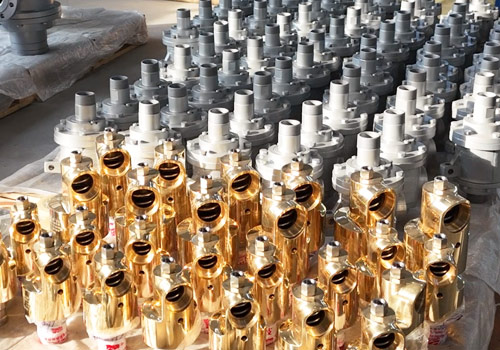
إذا كنت شركة مصنعة للمعدات الأصلية (OEM) تقوم ببناء آلات جديدة، فلا يجب أن تقبل بحجم “one يناسب جميع وصلات”. تتميز أجهزتك بقيود فريدة من نوعها على المساحة ومتطلبات الضغط ونقاط التثبيت. يمكن دمج وصلة الضغط الدوارة المصممة خصيصًا مباشرة في تصميم المغزل الخاص بك، مما يقلل من البصمة الإجمالية لمعداتك.
اعمل مع شريك يمكنه تقديم نماذج CAD ثلاثية الأبعاد وبيانات FEA (تحليل العناصر المحدودة) أثناء مرحلة التصميم الخاصة بك. يضمن هذا التعاون أن المفصل ليس فكرة لاحقة ولكنه جزء متكامل تمامًا من أداء جهازك. سواء كنت بحاجة إلى وصلة متعددة الممرات للتعامل مع كل من الماء والهواء أو شفة متخصصة للحصول على بصمة مدمجة، فإن التخصيص هو المفتاح لتمييز أجهزتك في سوق تنافسية.
خاتمة
هدفك هو الحفاظ على تشغيل المصنع بأقل تكلفة ممكنة لكل وحدة منتجة. على الرغم من أنه من المغري توفير 15% عند الشراء الأولي لمفصل الضغط الدوار، إلا أن التكلفة الحقيقية تقاس بالموثوقية والطاقة. من خلال اختيار وصلة ذات أختام هيدروليكية متوازنة ومحامل دقيقة ومواد إسكان قوية، فإنك تقوم بتأمين خط الإنتاج الخاص بك ضد الأسباب الأكثر شيوعًا لوقت التوقف عن العمل.
استثمر في الجودة، واتبع بروتوكولات التثبيت الدقيقة، وتعامل مع وصلة الضغط الدوارة الخاصة بك باعتبارها المكون الهندسي المهم حقًا. خلاصة القول سوف أشكرك.
التعليمات
ما هو السبب الأكثر شيوعا ل فشل مفصل الضغط الدوار?
السبب الأكثر شيوعًا هو عدم المحاذاة مع إجهاد الأنابيب المفرط. عندما يتم سحب المفصل بواسطة خراطيم صلبة أو محاذاة بشكل غير صحيح مع مغزل الماكينة، يواجه الختم الداخلي الإمالة. يؤدي هذا إلى تآكل غير متساوٍ، مما يؤدي إلى حدوث تسربات وإتلاف المحامل الداخلية في النهاية.
كيف يمكنني الاختيار بين وصلة التدفق الفردي والمفصل المزدوج التدفق؟
استخدم وصلة أحادية التدفق عندما تحتاج فقط إلى حقن السائل في الأسطوانة (وتخرج من خلال نقطة أخرى). استخدم وصلة مزدوجة التدفق عندما تحتاج إلى حقن واستخراج السائل من خلال نفس نهاية الأسطوانة، عادةً باستخدام أنبوب سيفون داخلي.
هل يمكنني استخدام وصلة مائية دوارة للزيت الحراري؟
عموما لا. تعمل أنظمة الزيوت الحرارية في درجات حرارة أعلى بكثير وتتطلب مواد مانعة للتسرب متخصصة (مثل فيتون أو الجرافيت عالي الحرارة) ومواد تشحيم مختلفة. سيؤدي استخدام وصلة مائية قياسية للزيت إلى فشل الختم السريع ومخاطر الحريق المحتملة.
كم مرة يجب أن أقوم بصيانة مفاصلي؟
بالنسبة للمفاصل عالية الأداء في البيئات النظيفة، يكفي إجراء فحص سنوي للأختام والمحامل. ومع ذلك، في البيئات الكاشطة أو تطبيقات البخار عالي الضغط، نوصي بإجراء فحص مرئي لـ “weepage” مرة واحدة شهريًا ومجموعة استبدال الختم الكامل كل 12 إلى 18 شهرًا لمنع التوقف غير المخطط له.
هل كمية صغيرة من التسرب طبيعية للمفصل الجديد؟
تتطلب بعض الأختام الميكانيكية فترة قصيرة من “break-in” مدتها بضع ساعات لتجميع وجوه الختم معًا بشكل مثالي. بضع قطرات من البكاء خلال الساعة الأولى من التشغيل أمر طبيعي. ومع ذلك، إذا استمر التسرب أو زاد، فهذا يشير إلى خطأ في التثبيت أو تلف الختم.
أحدث أخبار
الرؤى والابتكار
