
-
هاتف: +86-13581108878
-
بريد إلكتروني: 13581108878@163.com

جدول المحتويات
مقدمة
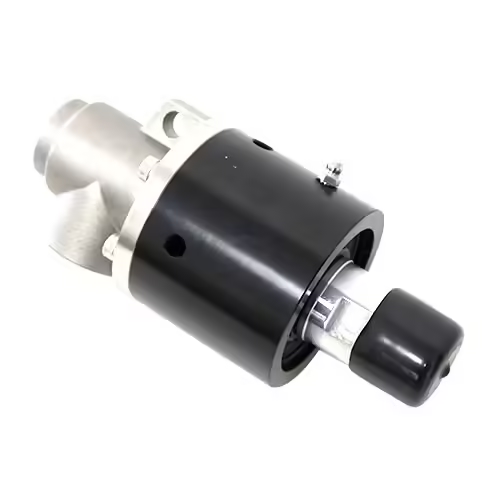
في صناعة الورق، ترتبط موثوقية المعدات ارتباطًا وثيقًا بأداء المواد. من بين المكونات المهمة، يلعب المفصل الدوار دورًا رئيسيًا في نقل البخار وإزالة المكثفات في أنظمة التجفيف. ومع ذلك، فإن كفاءة المفصل الدوار وعمر الخدمة يعتمدان إلى حد كبير على عامل واحد غالبًا ما يتم الاستهانة به: اختيار مادة المفصل الدوار.
إن اختيار مادة المفصل الدوار المناسبة لا يتعلق فقط بالمتانة. فهو يؤثر بشكل مباشر على كفاءة نقل الحرارة، وفترات الصيانة، والاستقرار التشغيلي. في هذه المقالة، سوف تتعلم كيفية أداء المواد المختلفة في ظل ظروف صناعة الورق الحقيقية وكيفية اختيار التركيبة الأكثر ملاءمة لتطبيقك.
لماذا المواد المشتركة الدوارة مسائل في تطبيقات صناعة الورق
تعمل آلات الورق في ظل ظروف صعبة:
- درجات الحرارة المرتفعة من أنظمة البخار
- الدوران المستمر لفترات طويلة
- التعرض للمكثفات والمضافات الكيميائية المحتملة
في ظل هذه الظروف، يمكن أن تؤدي مادة المفصل الدوار الخاطئة إلى:
- تآكل الختم المبكر
- تسرب البخار
- انخفاض كفاءة التجفيف
- زيادة تكاليف الصيانة
تشير الدراسات الهندسية التي أجرتها منظمات مثل ASME إلى أن تدهور المواد هو أحد الأسباب الرئيسية لفشل المعدات الدوارة ذات درجة الحرارة العالية.
المكونات الرئيسية ومتطلباتها المادية
يتكون المفصل الدوار من عدة أجزاء مهمة، يتطلب كل منها خصائص مادية محددة.
مكونات الختم
الختم هو الجزء الأكثر أهمية في أي مفصل دوار. يجب أن يحافظ على اتصال محكم تحت درجة حرارة وضغط مرتفعين مع السماح بالدوران.
متطلبات:
- مقاومة درجات الحرارة العالية
- احتكاك منخفض
- ارتداء المقاومة
مكونات تحمل
تدعم المحامل الدوران وتحافظ على المحاذاة. في تطبيقات البخار، يجب أن تعمل بشكل موثوق دون التشحيم التقليدي.
متطلبات:
- مقاومة الحرارة
- صيانة منخفضة
- الاستقرار تحت الحمل
السكن والأجزاء الهيكلية
يجب أن يتحمل جسم المفصل الدوار الضغط الداخلي والظروف البيئية الخارجية.
متطلبات:
- القوة الميكانيكية
- مقاومة التآكل
- استقرار الأبعاد
أفضل المواد المشتركة الدوارة لصناعة الورق
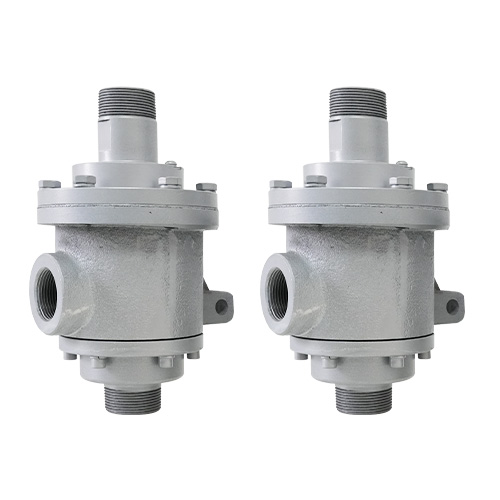
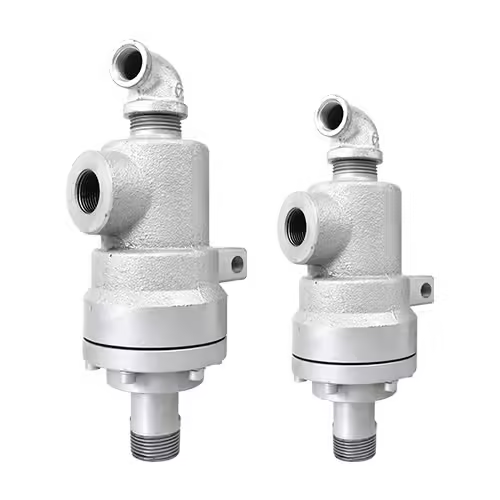
الكربون الجرافيت
يعد جرافيت الكربون أحد أكثر مواد المفاصل الدوارة استخدامًا على نطاق واسع، خاصة للأختام والمحامل.
المزايا:
- خصائص التشحيم الذاتي
- ثبات حراري ممتاز
- معامل احتكاك منخفض
في أنظمة البخار، يمكن للجرافيت الحفاظ على الأداء حتى في ظل درجات الحرارة المتقلبة. ولهذا السبب يتم استخدامه بشكل شائع في آلات الورق عالية السرعة.
كربيد السيليكون
كربيد السيليكون معروف بصلابته ومقاومته للتآكل.
المزايا:
- صلابة عالية للغاية
- مقاومة ممتازة للتآكل
- أداء جيد في البيئات الكاشطة
ومع ذلك، فهو أقل تسامحًا في ظل المحاذاة غير الصحيحة مقارنةً بالجرافيت، مما يجعل دقة التثبيت أكثر أهمية.
كربيد التنغستن
يستخدم كربيد التنغستن في البيئات ذات التحميل العالي والضغط العالي.
المزايا:
- قوة عالية
- مقاومة ممتازة للتشوه
- عمر خدمة طويل في ظل ظروف الخدمة الشاقة
غالبًا ما يستخدم في التطبيقات الصعبة حيث يكون الضغط الميكانيكي كبيرًا.
الفولاذ المقاوم للصدأ
يستخدم الفولاذ المقاوم للصدأ بشكل شائع في السكن والمكونات الهيكلية.
المزايا:
- مقاومة التآكل
- قوة ميكانيكية عالية
- أداء جيد في البيئات الرطبة
وهو مهم بشكل خاص في مصانع الورق حيث توجد الرطوبة والمكثفات باستمرار.
مواد السيراميك
يستخدم السيراميك في التطبيقات المتخصصة التي تتطلب مقاومة شديدة لدرجة الحرارة.
المزايا:
- تحمل درجات الحرارة العالية
- الاستقرار الكيميائي
- تمدد حراري منخفض
غالبًا ما يتم دمجها مع مواد أخرى لتحسين الأداء العام.
جدول المقارنة للمواد المشتركة الدوارة
| مادة | مقاومة درجة الحرارة | ارتداء المقاومة | متطلبات التشحيم | أفضل حالة استخدام |
|---|---|---|---|---|
| الكربون الجرافيت | عالي | معتدل | لا | الأختام والمحامل في أنظمة البخار |
| كربيد السيليكون | عالية جدًا | عالية جدًا | لا | تطبيقات كاشطة وعالية السرعة |
| كربيد التنغستن | عالي | عالي | لا | أنظمة الضغط العالي والحمل الثقيل |
| الفولاذ المقاوم للصدأ | متوسطة إلى عالية | معتدل | لا ينطبق | المكونات الهيكلية |
| سيراميك | عالية جدًا | عالي | لا | بيئات درجات الحرارة القصوى |
كيفية اختيار مادة المفصل الدوار المناسبة
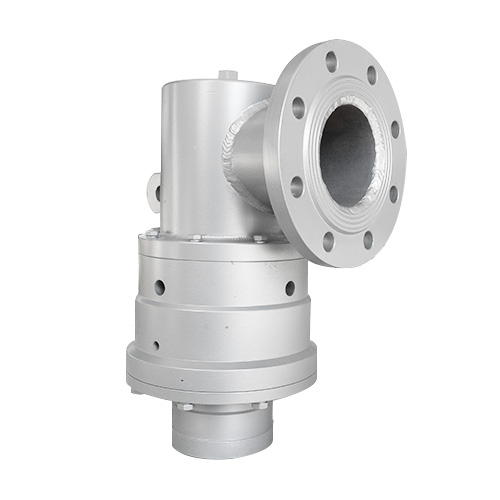
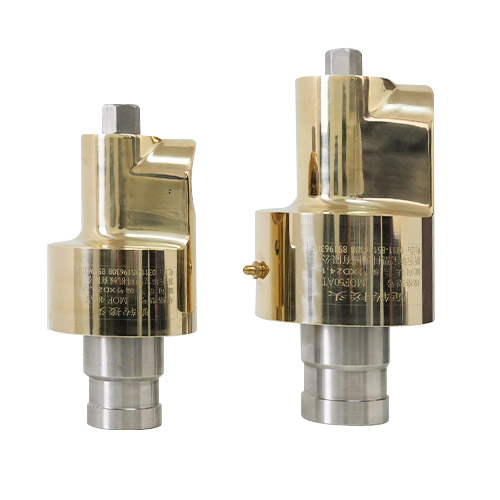
يتطلب اختيار مادة المفصل الدوار المناسبة موازنة عوامل متعددة.
النظر في درجة الحرارة أولا
درجة الحرارة هي العامل الأكثر أهمية. يجب أن تحافظ المواد على السلامة الهيكلية وأداء الختم في درجات حرارة التشغيل.
بالنسبة لمعظم آلات الورق:
- الجرافيت مثالي لأنظمة البخار
- السيراميك مناسب للظروف القاسية
تقييم الضغط والحمل
يتطلب الضغط العالي مواد أقوى مثل كربيد التنغستن أو الهياكل المقواة.
تحليل سرعة التشغيل
تتطلب الأنظمة عالية السرعة مواد ذات احتكاك منخفض وثبات حراري جيد. غالبًا ما يُفضل الجرافيت لأنه يقلل من التآكل أثناء الدوران المستمر.
حساب لاستراتيجية الصيانة
إذا كان تقليل الصيانة أولوية، فإن مواد التشحيم الذاتي مثل الجرافيت مفيدة للغاية. إنها تلغي الحاجة إلى التشحيم الخارجي وتقلل من وقت التوقف عن العمل.
النظر في التعرض الكيميائي
في البيئات التي توجد بها مواد كيميائية، يجب استخدام مواد مقاومة للتآكل مثل الفولاذ المقاوم للصدأ أو السيراميك.
رؤى عملية من تطبيقات الصناعة
في عمليات صناعة الورق الحقيقية، يكون لاختيار المواد المشتركة الدوارة تأثير قابل للقياس.
تظهر البيانات التشغيلية من أنظمة التجفيف الصناعية ما يلي:
- يمكن لأنظمة الختم القائمة على الجرافيت تمديد فترات الخدمة بشكل كبير
- يمكن أن يؤدي الاختيار الصحيح للمواد إلى تقليل تكرار الصيانة بنسبة تصل إلى 30 بالمائة
- تعمل مجموعات المواد الفعالة على تحسين كفاءة نقل الحرارة وتقليل استهلاك الطاقة
هذه التحسينات ليست نظرية. أنها تأتي من مواءمة خصائص المواد مع ظروف التشغيل الفعلية.
أخطاء اختيار المواد الشائعة
الاختيار على أساس التكلفة وحدها
غالبًا ما تؤدي المواد منخفضة التكلفة إلى ارتفاع التكاليف على المدى الطويل بسبب الاستبدال المتكرر ووقت التوقف عن العمل.
تجاهل شروط النظام
يجب أن يتوافق اختيار المواد مع ظروف التشغيل الحقيقية. يؤدي استخدام المواد القياسية في البيئات ذات درجات الحرارة العالية إلى الفشل المبكر.
التغاضي عن التوافق
يجب أن تعمل المواد المختلفة معًا. على سبيل المثال، يجب أن تكون مواد الختم والعمود متوافقة لمنع التآكل المفرط.
خاتمة
يعد اختيار المواد المشتركة الدوارة عاملاً حاسماً في ضمان الأداء الموثوق في تطبيقات صناعة الورق. من خلال فهم خصائص المواد المختلفة ومطابقتها لظروف التشغيل، يمكنك تحسين الكفاءة بشكل كبير، وتقليل تكاليف الصيانة، وإطالة عمر المعدات.
ومن الناحية العملية، تأتي أفضل النتائج من نهج متوازن يأخذ في الاعتبار متطلبات درجة الحرارة والضغط والسرعة والصيانة. إن مادة المفصل الدوار المختارة جيدًا ليست مجرد تفاصيل فنية، بل هي قرار استراتيجي يؤثر بشكل مباشر على أداء الإنتاج.
التعليمات
ما هو الأفضل مادة مشتركة دوارة لتطبيقات صناعة الورق
يعتبر جرافيت الكربون على نطاق واسع الخيار الأفضل للأختام والمحامل بسبب خصائص التشحيم الذاتي ومقاومته لدرجات الحرارة العالية.
لماذا يستخدم الجرافيت بشكل شائع في المفاصل الدوارة
يوفر الجرافيت أداءً ثابتًا في درجات الحرارة المرتفعة ولا يتطلب التشحيم، مما يجعله مثاليًا للتشغيل المستمر.
يمكن استخدام الفولاذ المقاوم للصدأ للمفاصل الدوارة
نعم، يُستخدم الفولاذ المقاوم للصدأ بشكل شائع في مكونات السكن نظرًا لقوته ومقاومته للتآكل.
كيف يؤثر اختيار المواد على حياة المفصل الدوار
يؤدي الاختيار الصحيح للمواد إلى تقليل التآكل ومنع التسرب وإطالة عمر الخدمة في ظل الظروف الصعبة.
هي مواد السيراميك الضرورية لتطبيقات صناعة الورق
يُستخدم السيراميك عادةً في الظروف القاسية ولكنه ليس مطلوبًا دائمًا لعمليات آلات الورق القياسية.
هل تحتاج إلى مساعدة في اختيار مادة المفصل الدوار المناسبة؟
إذا لم تكن متأكدًا من مادة المفصل الدوار التي تناسب ماكينة الورق الخاصة بك، فيمكن لخبرائنا مساعدتك. نحن نقدم حلولاً موثوقة مع أختام عالية الأداء، ومحامل الجرافيت، ومكونات متينة مصممة خصيصًا لظروف التشغيل الخاصة بك. اتصل بنا اليوم لتحسين الكفاءة وخفض تكاليف الصيانة.
أحدث أخبار
الرؤى والابتكار
