



Daftar isi
Perkenalan
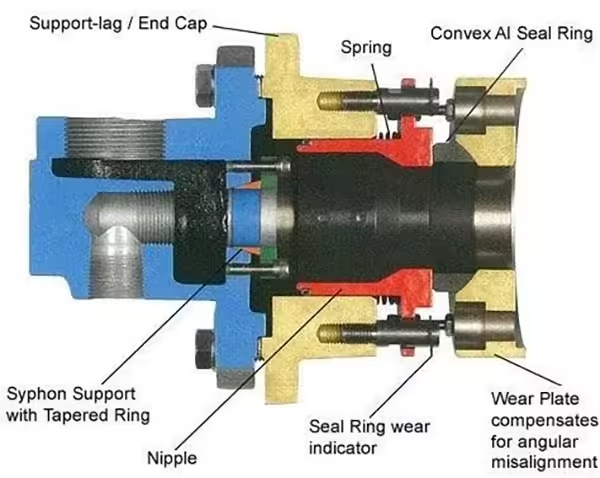
Dalam produksi kertas modern, sistem uap memainkan peran penting dalam efisiensi pengeringan dan kualitas produk secara keseluruhan. Di jantung sistem ini terletak sambungan putar, komponen kunci yang bertanggung jawab untuk mentransfer uap ke dalam silinder pengering yang berputar sambil mempertahankan segel yang andal.
Memilih sambungan putar yang tepat untuk mesin kertas bukan hanya masalah kompatibilitas — itu secara langsung berdampak pada efisiensi energi, frekuensi pemeliharaan, dan stabilitas produksi. Panduan ini memberikan gambaran menyeluruh tentang bagaimana memilih sambungan putar yang tepat untuk sistem uap di pabrik kertas, berdasarkan kebutuhan industri nyata.
Ikhtisar Sistem Uap Mesin Kertas
Dalam mesin kertas khas, uap dimasukkan ke dalam silinder pengeringan untuk menghilangkan kelembaban dari lembaran kertas. Sambungan putar menghubungkan pasokan uap stasioner ke silinder yang berputar, memastikan perpindahan panas terus menerus.
Fungsi utama dari sistem uap:
- Kirimkan uap suhu tinggi ke pengering berputar
- Pertahankan tekanan dan aliran yang konsisten
- Hapus kondensat secara efisien
- Mencegah kebocoran selama putaran kecepatan tinggi
Sambungan putar yang dipilih dengan buruk dapat mengakibatkan kebocoran uap, kehilangan panas, dan seringnya waktu henti.
Persyaratan Teknis di Rotary Joint untuk Mesin Kertas
Memilih sambungan putar dimulai dengan memahami kondisi pengoperasian.
1. Kisaran Suhu
- Sistem uap biasanya beroperasi antara 120 °C hingga 200 °C
- Mesin berkecepatan tinggi mungkin memerlukan uap super panas (> 200 °C)
2. Kondisi Tekanan
- Mesin kertas standar: 0,5 φ 1,5 MPa
- Sistem efisiensi tinggi: hingga 2,0 MPa
3. Kecepatan Rotasi
- Biasanya antara 100Σ800 RPM, tergantung pada ukuran mesin
4. Jenis Media
- Uap jenuh
- Uap super panas
- Kondensat (sistem pengembalian)
Jenis Rotary Joint untuk Sistem Uap Mesin Kertas
Desain yang berbeda digunakan tergantung pada kompleksitas sistem dan persyaratan kinerja.
Sambungan Putar Lintasan Tunggal
- Digunakan untuk sistem pasokan uap sederhana
- Biaya lebih rendah, perawatan lebih mudah
Dual Passage Rotary Joint
- Menyediakan uap dan menghilangkan kondensat secara bersamaan
- Meningkatkan efisiensi pengeringan
Sambungan Putar Tipe Siphon
- Dirancang untuk mesin kertas berkecepatan tinggi
- Memastikan penghilangan kondensat yang efisien
Cara Memilih Rotary Joint yang Tepat
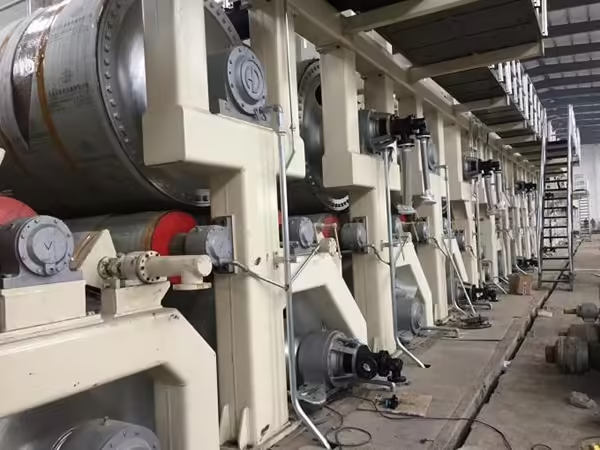
Ini adalah bagian paling penting bagi pembeli dan insinyur.
Langkah 1: Identifikasi Parameter Uap
- Temperatur (°C)
- Tekanan (MPa)
- Laju aliran
Ini menentukan material segel dan desain struktural.
Langkah 2: Evaluasi Kondisi Mesin
- Diameter silinder
- Kecepatan rotasi
- Ruang instalasi
RPM tinggi membutuhkan penyegelan gesekan rendah + bantalan berkualitas tinggi
Langkah 3: Pilih Bahan Sealing yang Tepat
Pilihan umum:
- Karbon grafit (paling umum)
- Silikon karbida
- Karbida tungsten
Untuk sistem uap, segel grafit banyak digunakan karena:
- Pelumasan sendiri
- Tahan suhu tinggi
- Tingkat keausan rendah
Langkah 4: Pilih Jenis Bantalan
Dalam banyak sambungan putar suhu tinggi, bantalan grafit lebih disukai karena mereka:
- Beroperasi tanpa pelumasan
- Tahan panas yang ekstrim
- Mengurangi biaya perawatan
Langkah 5: Pertimbangkan Desain Penghapusan Kondensat
- Sistem siphon (disarankan untuk kecepatan tinggi)
- Sistem gravitasi (untuk kecepatan rendah)
Penghilangan kondensat yang buruk = berkurangnya efisiensi panas
Tabel Perbandingan: Opsi Rotary Joint untuk Mesin Kertas
| Jenis | Kisaran Suhu | Tekanan | Kecepatan | Aplikasi Terbaik |
|---|---|---|---|---|
| Single Passage | Sedang | Sedang | Rendah | Mesin kertas kecil |
| Dual Passage | Tinggi | Sedang | Sedang | Produksi kertas standar |
| Jenis Siphon | Sangat Tinggi | Tinggi | Tinggi | Mesin kertas berkecepatan tinggi |
| Desain Temp Tinggi | >200°C | Tinggi | Sedang | Sistem uap super panas |
Masalah Umum dan Solusinya
1. Kebocoran Uap
Penyebab: Keausan segel atau pemasangan yang tidak tepat
Larutan: Gunakan segel grafit berkualitas tinggi dan pastikan keselarasan
2. Umur Layanan Pendek
Penyebab: Bahan bantalan yang buruk atau terlalu panas
Larutan: Tingkatkan ke bantalan grafit
3. Efisiensi Pengeringan Berkurang
Penyebab: Akumulasi kondensat
Larutan: Gunakan sambungan putar tipe siphon
4. Pemeliharaan Sering
Penyebab: Komponen berkualitas rendah
Larutan: Pilih sambungan putar kelas industri dengan bahan yang sudah terbukti
Mengapa Pemilihan Material Penting dalam Steam Rotary Joint
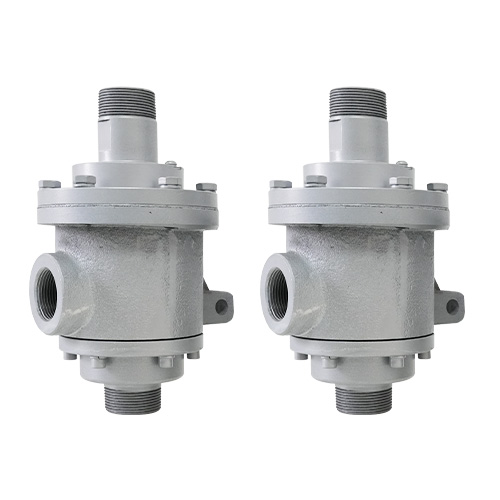
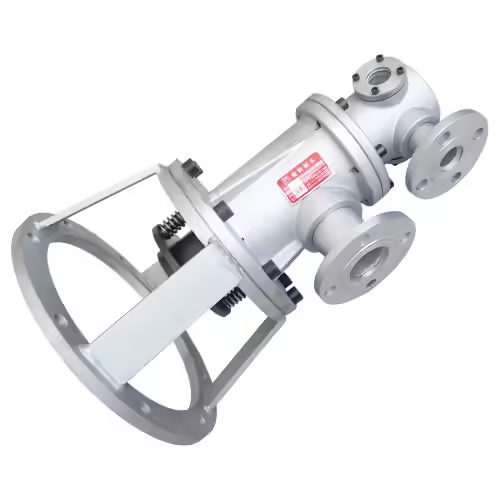
Pilihan material menentukan daya tahan dan kinerja.
Bahan yang direkomendasikan:
- Segel: Karbon grafit
- Bantalan: Grafit atau keramik
- Tubuh: Stainless steel atau besi ulet
Bahan-bahan ini memastikan:
- Tahan suhu tinggi
- Gesekan rendah
- Umur pemakaian yang panjang
Kesimpulan
Memilih sambungan putar yang tepat untuk sistem uap mesin kertas sangat penting untuk mencapai efisiensi pengeringan yang optimal, mengurangi waktu henti, dan menurunkan biaya perawatan. Dengan mengevaluasi suhu, tekanan, kecepatan, dan persyaratan material secara hati-hati, Anda dapat memastikan operasi stabil jangka panjang.
Tanya Jawab Umum
Apa yang terbaik rotary joint untuk mesin kertas?
Pilihan terbaik tergantung pada kondisi operasi, tetapi untuk sebagian besar sistem modern, sambungan putar tipe jalur ganda atau siphon lebih disukai karena efisiensi yang lebih tinggi dan pelepasan kondensat yang lebih baik.
Mengapa penghilangan kondensat penting dalam sistem uap?
Kondensat mengurangi efisiensi perpindahan panas. Penghapusan yang efisien memastikan kinerja pengeringan yang konsisten dan konsumsi energi yang lebih rendah.
Berapa lama sambungan putar bertahan di pabrik kertas?
Dengan pemilihan dan perawatan yang tepat, sambungan putar berkualitas tinggi dapat bertahan 6 Σ24 bulan atau lebih lama, tergantung pada kondisi pengoperasian.
Dapatkah sambungan putar menangani mesin kertas berkecepatan tinggi?
Ya, tetapi mereka harus dirancang khusus untuk RPM tinggi, menggunakan bahan penyegelan canggih dan bantalan berkinerja tinggi.
Bahan apa yang terbaik untuk steam rotary joint seal?
Karbon grafit secara luas dianggap sebagai pilihan terbaik karena sifat pelumasan sendiri dan ketahanan suhu tinggi.
Butuh Bantuan Memilih Rotary Joint yang Tepat untuk Mesin Kertas?
Jika Anda tidak yakin sambungan putar mana yang paling cocok untuk sistem uap Anda, tim teknik kami siap membantu. Kami berspesialisasi dalam sambungan putar berkinerja tinggi, selang logam, dan solusi bantalan grafit yang dirancang untuk lingkungan industri yang menuntut. Hubungi kami hari ini untuk rekomendasi yang disesuaikan dan meningkatkan efisiensi produksi kertas Anda dengan solusi yang andal dan tahan lama.
Terbaru Berita
Wawasan & Inovasi
