
-
هاتف: +86-13581108878
-
بريد إلكتروني: 13581108878@163.com



جدول المحتويات
مقدمة
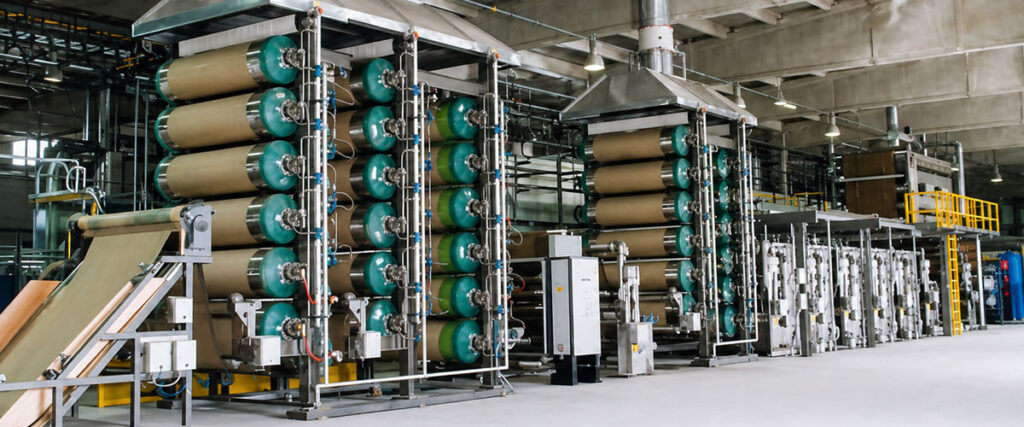
تعتمد آلات تجفيف الأقمشة على نقل الحرارة بشكل متسق وفعال لتحقيق جودة منتج مستقرة وكفاءة إنتاجية عالية. في قلب هذه العملية يوجد المفصل الدوار، وهو مكون يسمح للبخار أو الزيت الحراري بالدخول إلى الأسطوانات الدوارة مع الحفاظ على ختم موثوق.
إن اختيار المفصل الدوار المناسب لآلات تجفيف الأقمشة ليس مجرد قرار فني. فهو يؤثر بشكل مباشر على تجانس التجفيف، واستهلاك الطاقة، وتكرار الصيانة، وعمر المعدات. إذا اخترت بشكل غير صحيح، فقد تواجه تسربًا متكررًا، أو درجات حرارة غير مستقرة، أو توقفًا غير متوقع.
يشرح هذا الدليل كيفية تقييم واختيار وتحسين الوصلة الدوارة خصيصًا لتطبيقات تجفيف الأقمشة، بناءً على ظروف التشغيل الحقيقية والمبادئ الهندسية.
كيف المفصل الدوار يعمل في آلات تجفيف الأقمشة
في آلات تجفيف الأقمشة، تقوم الأسطوانات أو البكرات الساخنة بإزالة الرطوبة من المنسوجات. يقوم المفصل الدوار بتوصيل نظام الأنابيب الثابتة بالأسطوانة الدوارة.
تتضمن العملية عادةً ما يلي:
- يدخل البخار أو الزيت الحراري إلى الأسطوانة من خلال المفصل الدوار
- نقل الحرارة إلى سطح الاسطوانة
- الرطوبة تتبخر من القماش
- وسط مكثف أو مبرد يخرج من النظام
يضمن المفصل الدوار المصمم جيدًا التشغيل المستمر دون تسرب أو فقدان الكفاءة.
ظروف التشغيل الرئيسية التي يجب عليك مراعاتها
قبل اختيار المفصل الدوار، تحتاج إلى تحديد بيئة العمل بوضوح.
درجة حرارة
غالبًا ما تعمل آلات تجفيف الأقمشة داخل:
- 120°C إلى 180°C لأنظمة البخار
- درجات حرارة أعلى للمواد المتخصصة
وفقًا لأبحاث حول أنظمة التجفيف الصناعية من ASME، يعد الحفاظ على درجة حرارة مستقرة أمرًا ضروريًا لجودة التجفيف المتسقة وكفاءة الطاقة.
ضغط
تشمل نطاقات الضغط النموذجية ما يلي:
- 0.5 إلى 1.2 ميجا باسكال لأنظمة البخار القياسية
يضمن ثبات الضغط نقلًا موحدًا للحرارة ويمنع الضغط الميكانيكي.
سرعة الدوران
قد تعمل بكرات التجفيف بسرعات متوسطة إلى عالية حسب متطلبات الإنتاج.
تتطلب السرعات الأعلى:
- ختم منخفض الاحتكاك
- دعم تحمل مستقرة
- محاذاة دقيقة
وسط نقل الحرارة
تشمل الوسائط الأكثر شيوعًا ما يلي:
- بخار مشبع
- زيت حراري
تتطلب كل وسيلة اعتبارات مختلفة للختم والمواد.
أنواع المفاصل الدوارة لآلات تجفيف الأقمشة
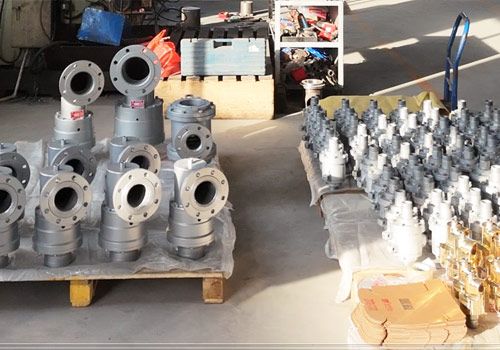
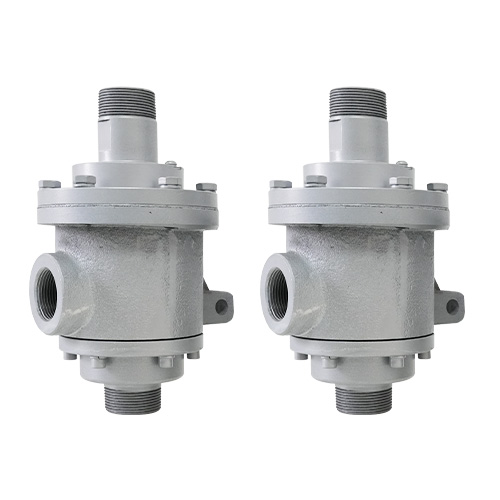
مفصل دوار ذو مسار واحد
يستخدم للأنظمة البسيطة التي تتطلب مسارًا واحدًا فقط للسوائل. من السهل صيانته ولكنه أقل كفاءة للعمليات المعقدة.
وصلة دوارة ذات ممر مزدوج
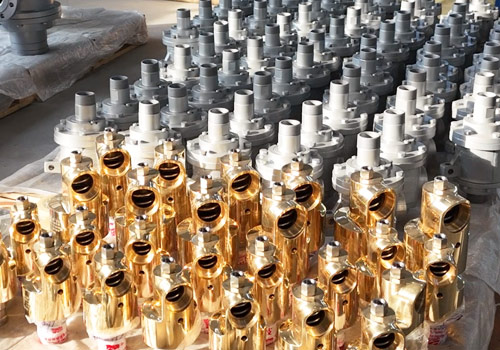
يسمح بتدفق العرض والعودة في وقت واحد. يؤدي ذلك إلى تحسين كفاءة نقل الحرارة ويستخدم على نطاق واسع في معدات تجفيف المنسوجات.
مفصل دوار عالي السرعة
مصممة للآلات ذات سرعات الدوران العالية. تستخدم هذه المفاصل مواد مانعة للتسرب متقدمة وهياكل داخلية محسنة لتقليل التآكل.
دليل خطوة بخطوة لاختيار اتحاد الروتاري المناسب
الخطوة 1: تحديد متطلبات العملية
ابدأ بفهم واضح لـ:
- نطاق درجة الحرارة
- مستوى الضغط
- سرعة الآلة
- نوع عملية التجفيف
وهذا يشكل أساس اختيارك.
الخطوة 2: حدد مواد الختم المناسبة
يحدد أداء الختم ما إذا كان المفصل الدوار يمكن أن يعمل دون تسرب.
تشمل المواد الشائعة ما يلي:
- جرافيت الكربون لدرجة الحرارة العالية والتشحيم الذاتي
- كربيد السيليكون لمقاومة التآكل
غالبًا ما يُفضل الجرافيت في آلات تجفيف الأقمشة لأنه يعمل بشكل جيد في ظل التشغيل المستمر دون تشحيم خارجي.
الخطوة 3: اختر تصميم المحمل المناسب
تدعم المحامل الدوران وتقلل الاحتكاك.
في البيئات ذات درجات الحرارة العالية:
- غالبًا ما تستخدم محامل الجرافيت
- أنها توفر أداء مستقر دون تشحيم
- أنها تقلل من وتيرة الصيانة
الخطوة 4: ضمان إزالة المكثفات بكفاءة
المكثفات الموجودة داخل الاسطوانة تقلل من كفاءة نقل الحرارة.
ينبغي لنظام المفصل الدوار المصمم بشكل صحيح:
- السماح بتفريغ المكثفات المستمر
- منع التراكم داخل الاسطوانة
وهذا مهم بشكل خاص في آلات النسيج عالية السرعة.
الخطوة 5: تقييم التثبيت والمحاذاة
حتى المفصل الدوار عالي الجودة يمكن أن يفشل إذا كان التثبيت غير صحيح.
يضمن:
- محاذاة دقيقة مع الأعمدة الدوارة
- تركيب مستقر
- السماح المناسب للتمدد الحراري
مقارنة خيارات اتحاد الروتاري
| يكتب | القدرة على درجة الحرارة | نطاق الضغط | ملاءمة السرعة | مستوى الصيانة | طلب |
|---|---|---|---|---|---|
| ممر واحد | واسطة | واسطة | قليل | قليل | آلات التجفيف الأساسية |
| ممر مزدوج | عالي | واسطة | واسطة | معتدل | تجفيف المنسوجات القياسية |
| تصميم عالي السرعة | عالي | متوسطة إلى عالية | عالي | قليل | تجفيف مستمر عالي السرعة |
| نوع الزيت الحراري | عالي | واسطة | واسطة | قليل | أنظمة التجفيف المعتمدة على الزيت |
التحديات الشائعة في تطبيقات تجفيف الأقمشة
تجفيف غير متساوٍ
سبب:
- نقل الحرارة غير متسق
- سوء توزيع البخار
حل:
- استخدم وصلة دوارة عالية الجودة مع تصميم تدفق مستقر
تسرب البخار
سبب:
- ارتداء الختم
- عدم المحاذاة
حل:
- حدد مواد مانعة للتسرب متينة مثل الجرافيت
صيانة متكررة
سبب:
- مكونات منخفضة الجودة
- اختيار المواد سيئة
حل:
- استخدم محامل وأختام عالية الأداء
انخفاض كفاءة الطاقة
سبب:
- تراكم المكثفات
- فقدان الحرارة
حل:
- تحسين نظام إزالة المكثفات
وفقا لدراسات كفاءة الطاقة الصناعية، فإن تحسين كفاءة نقل الحرارة في أنظمة التجفيف يمكن أن يقلل من استهلاك الطاقة بنسبة 10 إلى 15 في المائة.
رؤى عملية من التطبيقات الحقيقية
في بيئات إنتاج المنسوجات الحقيقية، غالبًا ما يتم الحكم على أداء الاتحاد الدوار من خلال الاستقرار بدلاً من الأداء الأقصى.
التجربة تظهر ذلك:
- الختم الموثوق يقلل من وقت التوقف غير المخطط له
- يؤدي اختيار المواد المناسبة إلى إطالة عمر الخدمة
- تعمل إزالة المكثفات بكفاءة على تحسين اتساق التجفيف
تتضافر هذه العوامل لإنشاء عملية أكثر استقرارًا وفعالية من حيث التكلفة.
كيف يؤثر اختيار المفصل الدوار على الأداء على المدى الطويل
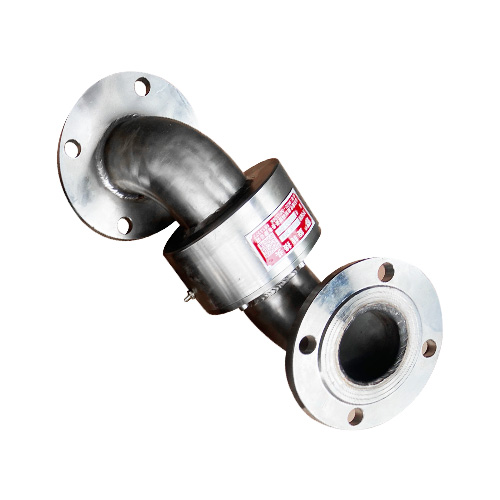
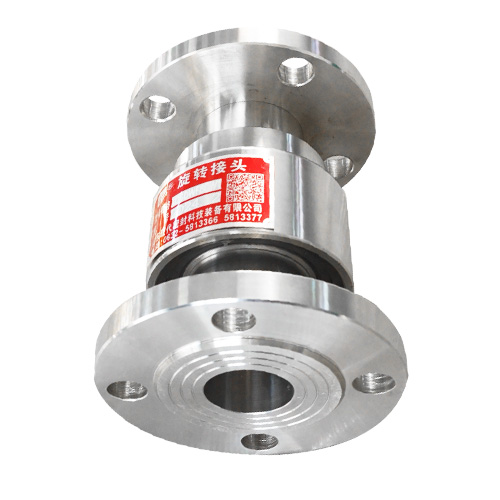
إن اختيار الاتحاد الدوار المناسب لا يتعلق فقط بالتوافق الأولي. فهو يؤثر على الكفاءة التشغيلية على المدى الطويل.
يمكن للمفصل الدوار المختار جيدًا:
- تقليل تكاليف الصيانة
- تحسين اتساق الإنتاج
- إطالة عمر المعدات
ومن ناحية أخرى، يؤدي الاختيار غير الصحيح إلى حالات فشل متكررة وارتفاع التكاليف الإجمالية.
خاتمة
يتطلب اختيار المفصل الدوار المناسب لآلات تجفيف الأقمشة فهمًا واضحًا لظروف التشغيل وأداء المواد وتصميم النظام. من خلال التركيز على درجة الحرارة والضغط وتكنولوجيا الختم وإدارة المكثفات، يمكنك تحسين كفاءة التجفيف بشكل كبير وتقليل تكاليف الصيانة.
إن المفصل الدوار المختار جيدًا ليس مجرد مكون. إنه عامل حاسم في ضمان الإنتاج المستقر والنجاح التشغيلي على المدى الطويل.
التعليمات
ما هو المفصل الدوار تستخدم في آلات تجفيف الأقمشة
تقوم الوصلة الدوارة بنقل وسائط نقل الحرارة مثل البخار أو الزيت الحراري إلى أسطوانات تجفيف دوارة مع الحفاظ على اتصال محكم.
كيف أختار الاتحاد الدوار المناسب لجهازي
تحتاج إلى تقييم درجة الحرارة والضغط والسرعة ونوع وسط نقل الحرارة المستخدم في نظامك.
ما هي المادة الأفضل لأختام الاتحاد الدوارة
يشيع استخدام جرافيت الكربون بسبب خصائصه ذاتية التشحيم ومقاومته لدرجات الحرارة المرتفعة.
لماذا تعتبر إزالة المكثفات مهمة
يقلل المكثف من كفاءة نقل الحرارة ويمكن أن يؤدي إلى تجفيف غير متساوٍ وزيادة استهلاك الطاقة.
كيف يمكنني إطالة عمر الاتحاد الدوار
يعد الاختيار الصحيح والتركيب الصحيح والصيانة الدورية أمرًا أساسيًا لإطالة عمر الخدمة.
أحدث أخبار
الرؤى والابتكار
