
-
هاتف: +86-13581108878
-
بريد إلكتروني: 13581108878@163.com



جدول المحتويات
عندما تقوم بتشغيل الآلات في صناعات مثل المعالجة الكيميائية أو أنظمة التدفئة والتهوية وتكييف الهواء أو المعدات الهيدروليكية، فإن جودة وموثوقية الآلات الخاصة بك توريد خرطوم معدني التأثير بشكل مباشر على الكفاءة التشغيلية. يضمن اختيار المورد المناسب حصول أنظمتك على خراطيم متينة وعالية الأداء تلبي متطلبات الضغط ودرجة الحرارة والبيئة. سيرشدك هذا الدليل خلال كل ما تحتاج إلى مراعاته، بما في ذلك دراسات الحالة ونصائح الصيانة وأدوات اتخاذ القرار العملية لمساعدتك في اختيار أفضل الخراطيم لعملياتك.
ما هو الخرطوم المعدني ولماذا يهم
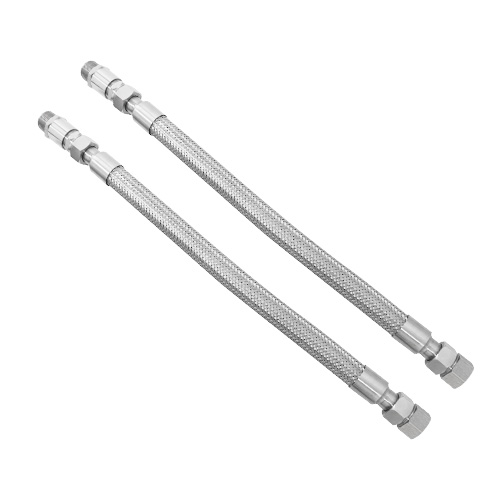
أ خرطوم معدني هي قناة مرنة مصنوعة من الفولاذ المقاوم للصدأ أو السبائك أو المعدن المضفر، مصممة لحمل السوائل أو الغازات تحت الضغط مع استيعاب الحركة أو الاهتزاز أو التمدد الحراري. على عكس الخراطيم المطاطية أو البلاستيكية القياسية، يمكن للخراطيم المعدنية أن تتحمل درجات الحرارة القصوى والوسائط المسببة للتآكل والضغوط العالية، مما يجعلها لا غنى عنها في التطبيقات الصناعية.
من خلال فهم مكونات الخرطوم المعدني، يمكنك تقييم الموردين المحتملين بشكل أكثر فعالية
- الأنبوب الداخلي: يحمل السائل أو الغاز.
- جديلة أو تقوية: يضيف القوة ومقاومة الضغط.
- تجهيزات النهاية: قم بتوصيل الخرطوم بالمعدات أو خطوط الأنابيب.
- غطاء واقي: طبقة اختيارية لمقاومة التآكل أو التعرض البيئي.
إذا تعطلت خراطيمك، فقد يؤدي ذلك إلى حدوث تسربات وتوقف المعدات وانقطاع الإنتاج المكلف. يعد اختيار مصدر إمداد خرطوم معدني موثوق به هو خط دفاعك الأول ضد هذه المشكلات.
الصناعات الرئيسية التي تعتمد على الخراطيم المعدنية
قد تعتمد عملياتك على الخراطيم المعدنية في العديد من الصناعات الصعبة
- النباتات الكيميائية: تتطلب المواد الكيميائية المسببة للتآكل خراطيم تقاوم التحلل.
- توليد الطاقة: تحتاج خطوط البخار والسوائل الحرارية إلى قدرة تحمل عالية في درجات الحرارة.
- المأكولات والمشروبات: تتعامل الخراطيم الصحية مع سوائل التنظيف وتعالج المياه بأمان.
- تصنيع السيارات: تتطلب الخطوط الهيدروليكية في الروبوتات ضغطًا عاليًا ومرونة.
- التطبيقات البحرية: تعتبر الخراطيم المقاومة للمياه المالحة أمرًا بالغ الأهمية للأنظمة الموجودة على متن السفن.
دراسة حالة: واجهت منشأة المعالجة الكيميائية أعطالًا متكررة في خراطيم خطوط المحاليل الكاوية. من خلال التحول إلى خرطوم مضفر من الفولاذ المقاوم للصدأ من مصدر خرطوم معدني موثوق، تم تقليل حوادث التسرب بمقدار 60%، بينما انخفضت تكاليف الصيانة بشكل ملحوظ على مدار عام واحد.
أنواع الخراطيم المعدنية
عند الحصول على مصدر من خرطوم معدني، ستواجه أنواعًا مختلفة مصممة لتطبيقات مختلفة
- خراطيم الفولاذ المقاوم للصدأ المضفرة: ممتاز لتطبيقات الضغط العالي والمرونة.
- خراطيم معدنية مموجة: التعامل مع التمدد الحراري والاهتزاز بكفاءة.
- خراطيم معدنية مبطنة بـ PTFE: مثالية للوسائط العدوانية كيميائيا.
- الخراطيم المعدنية الهيدروليكية: مصمم لتحمل السوائل الهيدروليكية ذات الضغط العالي.
- خراطيم البخار ذات درجة الحرارة العالية: تحمل التعرض المستمر للبخار والحرارة.
كيفية تقييم مورد خرطوم معدني
إن اختيار المورد هو أكثر من مجرد سعر. خذ بعين الاعتبار هذه العوامل لضمان الموثوقية
| عامل التقييم | لماذا يهم ذلك | ما الذي تبحث عنه |
|---|---|---|
| تجربة الصناعة | يظهر الخبرة في حلول الخراطيم الصناعية | الحد الأدنى 5 سنوات ونصف 10 سنوات في تطبيقات مماثلة |
| مجموعة المنتجات | يضمن التوفر لاحتياجاتك الخاصة | مجموعة متنوعة من الخراطيم والتجهيزات وخيارات التخصيص |
| جودة المواد | يؤثر بشكل مباشر على عمر الخرطوم | الفولاذ المقاوم للصدأ، خيارات السبائك، طبقات مقاومة للتآكل |
| الامتثال والاختبار | يؤكد الموثوقية والسلامة | شهادات ISO واختبار الضغط والتسرب |
| التسليم والدعم | يقلل من التأخير التشغيلي | التسليم في الوقت المحدد والمساعدة الفنية |
| الضمان وخدمة ما بعد البيع | يحمي الاستثمار | شروط ضمان واضحة وتوافر الدعم |
ستساعدك هذه العوامل على التمييز بين الموردين واختيار ما يتوافق مع أهدافك التشغيلية.
خيارات التخصيص
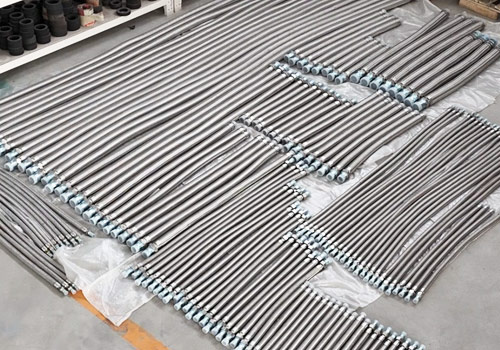
في بعض الأحيان، لا تلبي الخراطيم القياسية احتياجات نظامك. توفر شركات توريد الخراطيم المعدنية الموثوقة حلولاً مخصصة
- الطول والقطر: مصممة لتناسب التثبيت الخاص بك بشكل مثالي.
- التركيبات النهائية والفلنجات: قابل للتكوين من أجل التكامل السلس.
- اختيار المواد: سبائك متخصصة للتآكل أو الحرارة أو المقاومة الكيميائية.
- خيارات التعزيز: تصميمات مضفرة مفردة أو مزدوجة لمتطلبات الضغط المختلفة.
مثال: تحتاج محطة الطاقة الحرارية إلى خراطيم قادرة على التعامل مع البخار عالي الضغط والاهتزاز في المعدات الدوارة. يمنع محلول خرطوم الفولاذ المقاوم للصدأ المضفر المخصص التسربات ويقلل وقت التوقف عن العمل بمقدار 40%.
إرشادات التثبيت
حتى أفضل الخراطيم تفشل إذا تم تركيبها بشكل غير صحيح. ضع هذه النقاط في الاعتبار:
- تجنب التواء الخرطوم أثناء التثبيت.
- ضمان المحاذاة مع المعدات لمنع الضغط على التركيبات.
- اتبع مواصفات عزم الدوران الخاصة بالشركة المصنعة للتجهيزات.
- تحقق من نصف قطر الانحناء المناسب للحفاظ على مرونة الخرطوم.
- إجراء اختبارات الضغط والتسرب الأولية قبل التشغيل المنتظم.
نصائح الصيانة
الصيانة الروتينية تطيل عمر الخرطوم وتضمن التشغيل الآمن
- فحص الخراطيم شهريا بحثًا عن الشقوق أو التآكل أو التسربات.
- استبدل التركيبات أو المشابك التي تظهر التآكل.
- تنظيف الخراطيم حسب المتطلبات الكيميائية أو الحرارية.
- الحفاظ على التخزين المناسب لمنع الأضرار الميكانيكية.
دراسة حالة: نفذ خط تجهيز الأغذية برنامجًا استباقيًا لصيانة الخراطيم. على مدار 18 شهرًا، انخفضت عمليات الإغلاق غير المخطط لها بمقدار 50%، وانخفضت تكاليف استبدال الخراطيم الإجمالية بمقدار 25%.
خاتمة
يعد توفير خرطوم معدني موثوق به أمرًا ضروريًا للحفاظ على الكفاءة الصناعية والسلامة وفعالية التكلفة. من خلال تقييم تجربة الموردين وجودة المنتج وقدرات التخصيص وخدمات الدعم، يمكنك اختيار الخراطيم التي تعمل تحت الضغط والاهتزاز ودرجات الحرارة القصوى.
إذا كنت مستعدًا لترقية أنظمتك باستخدام خراطيم معدنية متينة وعالية الجودة, اتصل بالمفصل الدوار الحديث اليوم للحصول على استشارة شخصية وحل مخصص يحافظ على تشغيل عملياتك بكفاءة.
التعليمات
كيف أعرف أي خرطوم معدني هل مناسب لطلبي؟
تقييم الضغط ودرجة الحرارة ونوع الوسائط ومتطلبات الحركة. يمكن للمورد المساعدة في التوصية بالخرطوم الصحيح.
ما هو عمر خرطوم مضفر من الفولاذ المقاوم للصدأ؟
يعتمد العمر الافتراضي على ظروف التشغيل؛ مع التثبيت والصيانة المناسبة، يمكن أن تتجاوز 5 سنوات و10 سنوات.
هل تستطيع الخراطيم المعدنية التعامل مع المواد الكيميائية المسببة للتآكل؟
نعم، تعتبر الخراطيم المصنوعة من الفولاذ المقاوم للصدأ والمبطنة بـ PTFE مثالية للمقاومة الكيميائية.
هل الخراطيم المخصصة أغلى من الخراطيم القياسية؟
قد تكون لها تكاليف أولية أعلى ولكنها تقلل من وقت التوقف عن العمل وتكرار الاستبدال، مما يوفر وفورات طويلة الأجل.
كم مرة يجب أن أقوم بفحص الخراطيم المعدنية؟
يوصى بالفحص كل 3 إلى 6 أشهر، وبشكل متكرر في ظل ظروف التشغيل القاسية.
أحدث أخبار
الرؤى والابتكار
