



Table of Contents
Introduction
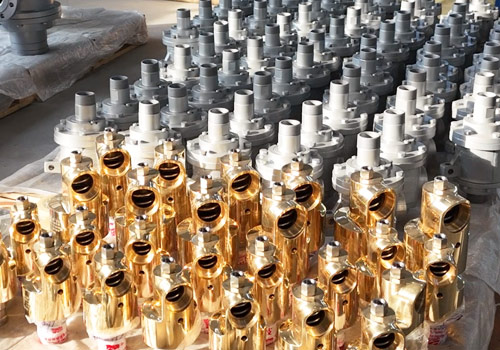
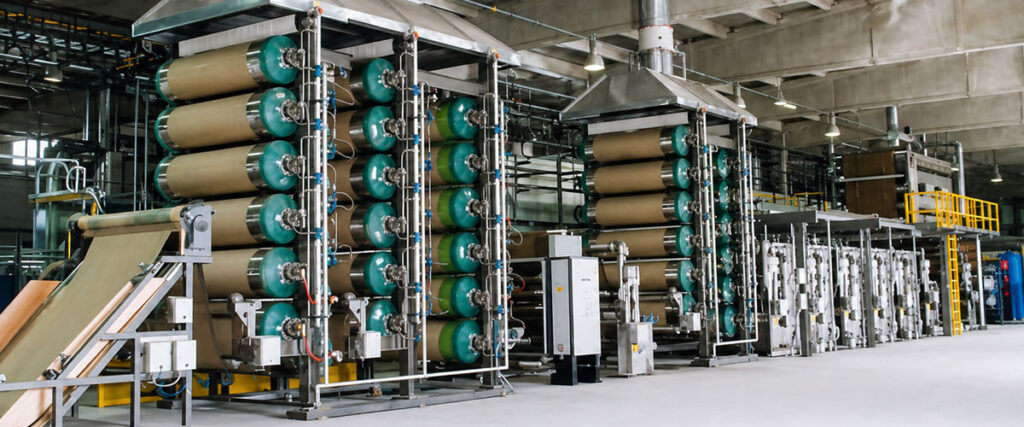
Fabric drying machines rely on consistent and efficient heat transfer to achieve stable product quality and high production efficiency. At the center of this process is the rotary joint, a component that allows steam or thermal oil to enter rotating cylinders while maintaining a reliable seal.
Selecting the right rotary joint for fabric drying machines is not just a technical decision. It directly affects drying uniformity, energy consumption, maintenance frequency, and equipment lifespan. If you choose incorrectly, you may face recurring leakage, unstable temperatures, or unexpected downtime.
This guide explains how to evaluate, select, and optimize a rotary joint specifically for fabric drying applications, based on real operating conditions and engineering principles.
How Rotary Joint Works in Fabric Drying Machines
In fabric drying machines, heated cylinders or rollers remove moisture from textiles. The rotary joint connects the stationary piping system to the rotating cylinder.
The process typically includes:
- Steam or thermal oil entering the cylinder through the rotary joint
- Heat transferring to the cylinder surface
- Moisture evaporating from the fabric
- Condensate or cooled medium exiting the system
A well-designed rotary joint ensures continuous operation without leakage or efficiency loss.
Key Operating Conditions You Must Consider
Before selecting a rotary joint, you need to clearly define the working environment.
Temperature
Fabric drying machines often operate within:
- 120°C to 180°C for steam systems
- Higher temperatures for specialized materials
According to research on industrial drying systems from ASME, maintaining stable temperature is essential for consistent drying quality and energy efficiency.
Pressure
Typical pressure ranges include:
- 0.5 to 1.2 MPa for standard steam systems
Pressure stability ensures uniform heat transfer and prevents mechanical stress.
Rotational Speed
Drying rollers may operate at moderate to high speeds depending on production requirements.
Higher speeds require:
- Low-friction sealing
- Stable bearing support
- Precision alignment
Heat Transfer Medium
The most common media include:
- Saturated steam
- Thermal oil
Each medium requires different sealing and material considerations.
Types of Rotary Joint for Fabric Drying Machines
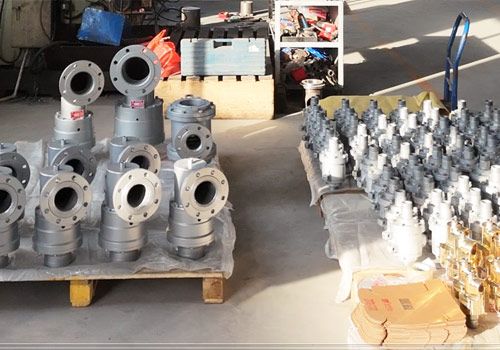
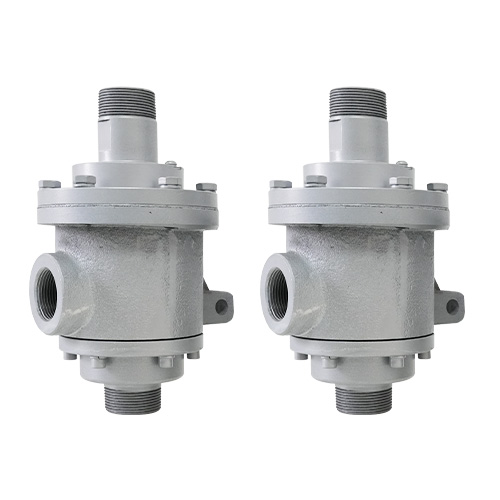
Single Passage Rotary Joint
Used for simple systems where only one fluid path is required. It is easy to maintain but less efficient for complex operations.
Dual Passage Rotary Joint
Allows simultaneous supply and return flow. This improves heat transfer efficiency and is widely used in textile drying equipment.
High-Speed Rotary Joint
Designed for machines with high rotational speeds. These joints use advanced sealing materials and optimized internal structures to reduce wear.
Step-by-Step Guide to Choosing the Right Rotary Union
Step 1: Define Process Requirements
Start with a clear understanding of:
- Temperature range
- Pressure level
- Machine speed
- Type of drying process
This forms the foundation of your selection.
Step 2: Select Appropriate Sealing Materials
Sealing performance determines whether the rotary joint can operate without leakage.
Common materials include:
- Carbon graphite for high temperature and self-lubrication
- Silicon carbide for wear resistance
Graphite is often preferred in fabric drying machines because it performs well under continuous operation without external lubrication.
Step 3: Choose Suitable Bearing Design
Bearings support rotation and reduce friction.
In high-temperature environments:
- Graphite bearings are often used
- They provide stable performance without lubrication
- They reduce maintenance frequency
Step 4: Ensure Efficient Condensate Removal
Condensate inside the cylinder reduces heat transfer efficiency.
A properly designed rotary joint system should:
- Allow continuous condensate discharge
- Prevent accumulation inside the cylinder
This is particularly important in high-speed textile machines.
Step 5: Evaluate Installation and Alignment
Even a high-quality rotary joint can fail if installation is incorrect.
Ensure:
- Accurate alignment with rotating shafts
- Stable mounting
- Proper allowance for thermal expansion
Comparison of Rotary Union Options
| Type | Temperature Capability | Pressure Range | Speed Suitability | Maintenance Level | Application |
|---|---|---|---|---|---|
| Single Passage | Medium | Medium | Low | Low | Basic drying machines |
| Dual Passage | High | Medium | Medium | Moderate | Standard textile drying |
| High-Speed Design | High | Medium to High | High | Low | Continuous high-speed drying |
| Thermal Oil Type | High | Medium | Medium | Low | Oil-based drying systems |
Common Challenges in Fabric Drying Applications
Uneven Drying
Cause:
- Inconsistent heat transfer
- Poor steam distribution
Solution:
- Use high-quality rotary joint with stable flow design
Steam Leakage
Cause:
- Seal wear
- Misalignment
Solution:
- Select durable sealing materials such as graphite
Frequent Maintenance
Cause:
- Low-quality components
- Poor material selection
Solution:
- Use high-performance bearings and seals
Reduced Energy Efficiency
Cause:
- Condensate accumulation
- Heat loss
Solution:
- Optimize condensate removal system
According to industrial energy efficiency studies, improving heat transfer efficiency in drying systems can reduce energy consumption by 10 to 15 percent.
Practical Insights from Real Applications
In real textile production environments, the performance of a rotary union is often judged by stability rather than peak performance.
Experience shows that:
- Reliable sealing reduces unplanned downtime
- Proper material selection extends service life
- Efficient condensate removal improves drying consistency
These factors combine to create a more stable and cost-effective operation.
How Rotary Joint Selection Impacts Long-Term Performance
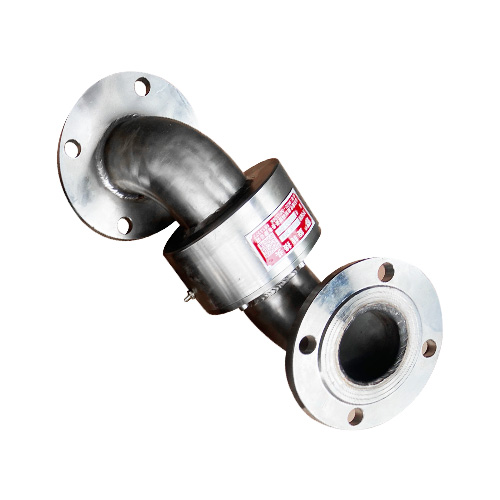
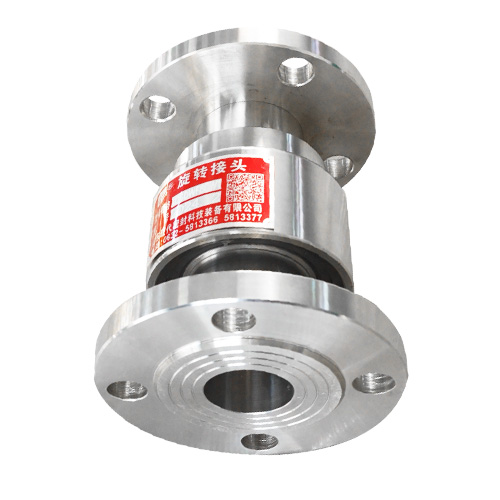
Choosing the right rotary union is not just about initial compatibility. It affects long-term operational efficiency.
A well-selected rotary joint can:
- Reduce maintenance costs
- Improve production consistency
- Extend equipment life
On the other hand, incorrect selection leads to repeated failures and higher overall costs.
Conclusion
Choosing the right rotary joint for fabric drying machines requires a clear understanding of operating conditions, material performance, and system design. By focusing on temperature, pressure, sealing technology, and condensate management, you can significantly improve drying efficiency and reduce maintenance costs.
A well-selected rotary joint is not just a component. It is a critical factor in ensuring stable production and long-term operational success.
FAQ
What is a rotary joint used for in fabric drying machines
A rotary joint transfers heat transfer media such as steam or thermal oil into rotating drying cylinders while maintaining a sealed connection.
How do I choose the right rotary union for my machine
You need to evaluate temperature, pressure, speed, and the type of heat transfer medium used in your system.
What material is best for rotary union seals
Carbon graphite is commonly used due to its self-lubricating properties and resistance to high temperatures.
Why is condensate removal important
Condensate reduces heat transfer efficiency and can lead to uneven drying and increased energy consumption.
How can I extend the life of a rotary union
Proper selection, correct installation, and regular maintenance are key to extending service life.
Latest News
Insights & Innovation
