



Table of Contents
Introduction
If you rely on high-pressure fluid systems, you already know how critical seamless operation is. High-pressure rotary unions are the unsung heroes that allow fluid to transfer safely between stationary and rotating components. Selecting the wrong union can lead to downtime, costly repairs, and safety hazards.
This article is written for you—the engineer, technician, or system designer—looking for actionable insights into high-pressure rotary unions. You’ll learn how to choose the right union, integrate it with auxiliary components, and optimize your system for maximum efficiency.
What Are High-Pressure Rotary Unions?
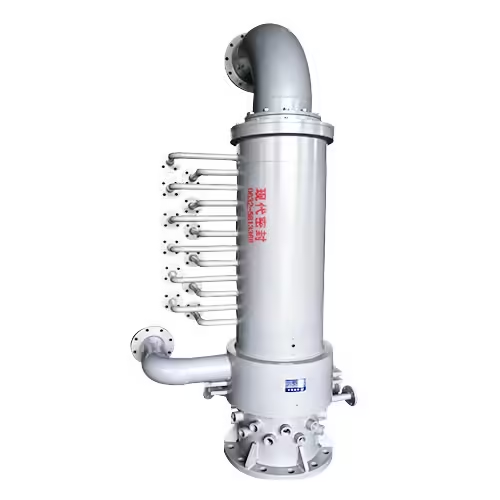
High-pressure rotary unions are mechanical devices designed to convey pressurized fluid from a stationary source into a rotating assembly without leaks. They are essential in industries including chemical processing, hydraulics, food and beverage, and industrial automation.
Key benefits include:
- Leak-free fluid transfer under extreme pressures
- Reduced maintenance through durable materials
- Flexibility for complex machinery configurations
According to Engineering Toolbox, improper union selection can reduce equipment lifespan by up to 30%, highlighting the importance of informed choices.
Types of High-Pressure Rotary Unions
Understanding the types of unions is crucial. You can categorize them as
- Single-Passage Rotary Unions – Suitable for one fluid channel, ideal for moderate pressures.
- Double-Passage Rotary Unions—Handle two fluids simultaneously; useful in cooling and heating circuits.
- Multi-Passage Rotary Unions—Designed for complex industrial applications requiring multiple channels.
Case Study: Double-Passage Applications
A European injection molding facility integrated double-passage rotary unions to simultaneously supply cooling water and hydraulic oil. After replacing outdated unions, they reported a 15% increase in production efficiency and a 40% reduction in maintenance downtime.
Materials and Construction
High-pressure rotary unions are manufactured from stainless steel, carbon steel, and advanced alloys. Each material offers different resistance to corrosion, wear, and temperature.
| Material | Pressure Rating | Temperature Range | Typical Applications |
|---|---|---|---|
| Stainless Steel | 5000 psi | -50°C to 500°C | Chemical, Food, Hydraulic |
| Carbon Steel | 3500 psi | -20°C to 300°C | Manufacturing, General Industrial |
| Alloy Steel | 6000 psi | -50°C to 600°C | Petrochemical, High-Temp Systems |
Selecting the Right High-Pressure Rotary Union
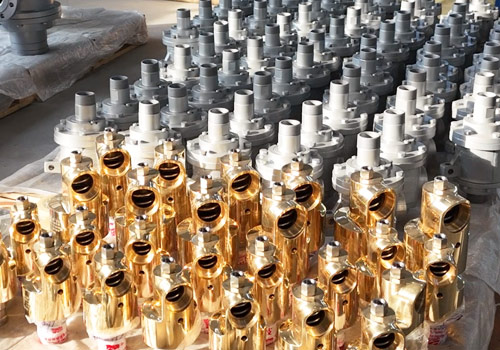
When selecting a rotary union, consider the following:
- Operating Pressure—Ensure the union exceeds your system’s peak pressure.
- Fluid Compatibility—Match seals and housing materials to your fluid’s chemical properties.
- Rotational Speed—High-speed operations require precision bearings.
- Temperature Range—Choose materials that tolerate extreme temperatures.
- Maintenance Needs—Some designs are easier to service than others.
Example: Hydraulic Press Integration
A manufacturer of hydraulic presses experienced frequent leaks due to mismatched unions. By switching to a union rated for 6000 psi and compatible with hydraulic oil, downtime dropped by 35% within six months.
Integration with Auxiliary Components
High-pressure rotary unions often work alongside metal flexible hoses, swivel joints, and pumps. Proper integration ensures:
- Reduced vibration transfer
- Increased system flexibility
- Extended hose and pump life
According to Hydraulic World, pairing high-pressure unions with metal flexible hoses can increase system lifespan by up to 25%.
Maintenance Best Practices
Regular maintenance is essential for high-pressure systems:
- Inspect seals monthly for wear
- Check rotational bearings for play or noise
- Replace gaskets on a preventative schedule
- Clean fluid passages to prevent blockages
Example: A food processing plant saved $50,000 annually by implementing a scheduled union inspection routine.
Advanced Design Features of High-Pressure Rotary Unions
When investing in high-pressure rotary unions, understanding advanced design features can significantly affect performance and longevity.
- Balanced Seal Technology
Balanced seals reduce friction and wear, ensuring leak-free operation even at high speeds. Balanced seals are ideal for hydraulic systems, where constant rotational speed is required. According to Engineering360, balanced seals can increase seal life by up to 50%. - Bearing Selection
High-quality bearings maintain rotational stability under pressure. Ceramic or hardened steel bearings are often chosen for high-temperature or abrasive environments. Selecting the right bearing type prevents vibration-induced wear and improves operational reliability. - Multi-Passage Capabilities
Some rotary unions feature multiple internal channels, allowing the simultaneous transfer of different fluids or gases. This feature is particularly useful in industrial automation and chemical processing, where precise fluid control is necessary. - Quick-Connect Features
Quick-connect designs reduce downtime for maintenance or replacement, an advantage in production lines where rapid changeover is essential. Implementing such features ensures minimal disruption to operational workflows.
Industrial Case Study: High-Pressure Rotary Union in Chemical Processing
A chemical processing facility needed to transfer high-pressure steam and cooling water to rotating reactors. The plant integrated a custom double-passage high-pressure rotary union. Key outcomes included:
- 30% reduction in maintenance costs
- Improved heat exchange efficiency by 20%
- Leak-free operation for 18 months
| Parameter | Before Upgrade | After Upgrade | Improvement |
|---|---|---|---|
| Maintenance Costs | $120,000/year | $84,000/year | -30% |
| Heat Exchange Efficiency | 70% | 84% | +20% |
| Downtime | 12 days/year | 5 days/year | -58% |
This demonstrates how selecting the right union directly impacts operational efficiency and cost savings.
Troubleshooting Common Issues
Even with top-tier components, issues can arise. Common challenges include:
- Leakage: Often caused by worn seals, incorrect material selection, or pressure spikes. Solution: Replace seals with proper material, verify pressure ratings.
- Bearing Failure: Typically due to misalignment or contamination. Solution: Inspect bearings regularly and maintain clean operating conditions.
- Corrosion: Stainless steel may resist mild chemicals, but aggressive media require high-alloy or coated materials.
Efficiency Optimization Tips
Maximizing the benefits of high-pressure rotary unions involves:
- Periodic Preventive Maintenance—Regular inspections prevent unplanned downtime.
- System Pressure Analysis – Operating unions within rated pressure ranges avoids premature wear.
- Fluid Filtration—Clean fluids reduce contamination-related failures.
- Proper Installation—Align unions accurately and ensure torque specifications are followed.
By following these steps, facilities can achieve longer service life, higher throughput, and safer operations.
Conclusion
High-pressure rotary unions are essential components in modern industrial systems. Choosing the right union, understanding material and design options, and implementing proper maintenance practices can extend equipment life, reduce costs, and enhance safety.
If you want to ensure your machinery operates at peak efficiency, explore the range of high-pressure rotary unions available from leading manufacturers. Evaluate your system’s needs, consult datasheets, and consider custom solutions to maximize operational success.
FAQ
What is the maximum operating pressure for high-pressure rotary unions?
Depending on the design and materials, high-pressure rotary unions can typically handle pressures from 3,000 psi to over 6,000 psi. Always consult manufacturer specifications.
Can high-pressure rotary unions handle multiple fluids?
Yes, multi-passage or double-passage rotary unions allow simultaneous fluid transfer, improving system efficiency.
How often should seals and bearings be inspected?
Industry best practice recommends monthly inspections, with preventive replacement every 12-18 months, depending on system usage.
Are stainless steel unions resistant to all chemicals?
Stainless steel offers broad resistance, but aggressive chemicals may require specialized alloys or coatings. Refer to Chemical Compatibility Guide.
How do I select the right union for my application?
Consider fluid type, pressure, temperature, rotational speed, and maintenance accessibility. Consult technical datasheets and, if necessary, engage a rotary union expert.
Latest News
Insights & Innovation
