


Table of Contents
Introduction
In industrial systems, fluid transfer and thermal expansion management are critical to ensuring operational efficiency. One component that plays a vital role in these processes is the metal flexible hose. These hoses offer unparalleled durability, flexibility, and resistance to harsh environments, making them indispensable in applications ranging from chemical processing to high-pressure hydraulic systems.
At Modern Rotary Joint, we specialize in custom metal flexible hose solutions, providing components designed to meet the unique requirements of various industries. Whether you are handling high-temperature steam, corrosive chemicals, or vibration-prone machinery, understanding the features and selection criteria of metal flexible hoses is essential to making informed purchasing decisions.
What is a Metal Flexible Hose?
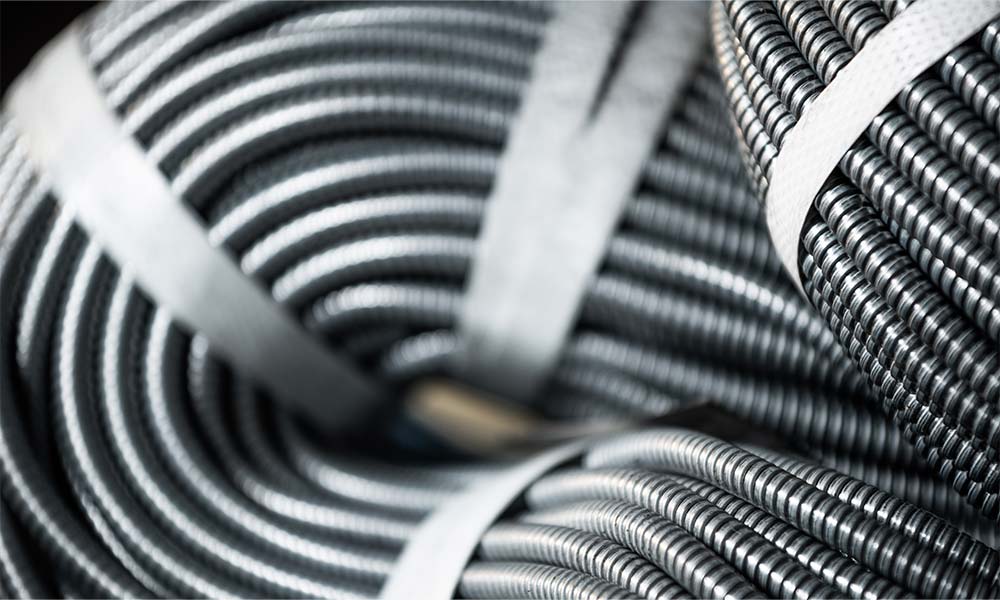
A metal flexible hose is a corrugated metallic tube designed to absorb movement, vibration, and thermal expansion in fluid systems. Unlike rigid piping, these hoses can bend, twist, and accommodate angular misalignments without compromising system integrity. The corrugation design enhances flexibility while maintaining high pressure and temperature resistance. Common materials include stainless steel, Inconel, and bronze alloys, depending on the operating environment.
Key Features:
- High tensile strength
- Resistance to corrosion and extreme temperatures
- Vibration and noise damping
- Compatibility with various industrial fluids
Applications of Metal Flexible Hoses
Metal flexible hoses are widely used across industries due to their versatility and reliability:
- Chemical Processing: Hoses transport aggressive chemicals safely while resisting corrosion.
- Steam and High-Temperature Systems: High-grade stainless steel hoses withstand temperatures exceeding 600°F (316°C).
- Hydraulic and Pneumatic Systems: Absorb vibration and prevent stress on connectors and equipment.
- Cryogenic Applications: Specialized hoses handle extremely low temperatures without losing flexibility.
For more technical details on industrial hoses, you can refer to this comprehensive guide provided by a trusted engineering resource.
Types of Metal Flexible Hoses
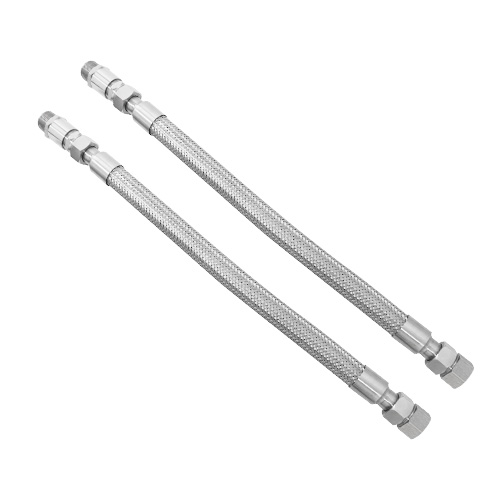
Single-Braid Hoses
Single-braid hoses are reinforced with a single layer of braided stainless steel, suitable for medium-pressure applications. They provide basic flexibility while maintaining system safety.
Double-Braid Hoses
Double-braid hoses add a second reinforcement layer, offering superior pressure resistance and enhanced durability, often required in high-pressure hydraulic or steam systems.
Corrugated Hoses with PTFE Liner
These hoses combine the flexibility of metal with a PTFE inner liner, providing chemical resistance and smooth flow for aggressive fluids.
Selecting the Right Metal Flexible Hose
Choosing the right hose involves analyzing several parameters:
| Parameter | Description | Recommendation |
|---|---|---|
| Material | Stainless steel, Inconel, bronze | Select based on temperature, pressure, and chemical compatibility |
| Pressure Rating | Maximum operating pressure | Ensure hose rating exceeds system requirements |
| Temperature Rating | Maximum and minimum temperatures | Consider insulation or liners if necessary |
| Hose Length | Required flexibility and installation space | Account for bends and movement |
| End Fittings | Flanged, threaded, or welded | Ensure compatibility with existing system connections |
Installation Best Practices
Proper installation ensures the longevity and performance of metal flexible hoses:
- Avoid twisting during installation.
- Ensure the hose length allows for expansion and contraction.
- Install supports to prevent excessive vibration or mechanical stress.
- Use appropriate torque when tightening end fittings.
Maintenance and Inspection
Routine inspection is crucial:
- Check for external damage such as dents, kinks, or corrosion.
- Inspect fittings for leaks or loose connections.
- Replace hoses that show signs of fatigue or reduced flexibility.
Regular maintenance can prevent unplanned downtime and costly system failures.
Case Studies
Case 1: Chemical Plant Retrofit
A chemical processing plant replaced rigid piping with stainless steel metal flexible hoses to reduce vibration damage. The result: a 30% reduction in maintenance costs and improved safety for operators.
Case 2: High-Pressure Steam System
A manufacturing facility upgraded to double-braid metal flexible hoses, allowing safer operation under high-pressure steam. System efficiency increased by 15%, and hose life doubled compared to previous rubber hoses.
Conclusion
Investing in the right metal flexible hose is essential for optimizing your industrial systems. These hoses improve efficiency, reduce maintenance, and enhance safety across a range of applications. At Modern Rotary Joint, we provide custom metal flexible hoses designed to meet your specific system requirements, ensuring reliable performance and extended equipment life.
If you want to upgrade your system with high-quality, durable hoses, contact us today for a consultation, and our experts will help you select the perfect solution for your needs.
FAQ
Can metal flexible hoses handle high-pressure steam?
Yes, stainless steel double-braid hoses are designed to withstand high-pressure steam up to 600 psi and temperatures exceeding 600°F.
How do I know which hose material is right for my application?
Consider the chemical compatibility, temperature range, and environmental conditions. Stainless steel is versatile for most applications.
How long do metal flexible hoses last?
With proper installation and maintenance, they can last 5-10 years or longer depending on operating conditions.
Can metal flexible hoses be bent on-site?
Hoses should only be bent within manufacturer-specified bend radii to avoid compromising structural integrity.
Are there options for aggressive chemicals?
Yes, PTFE-lined or specialty alloy hoses are ideal for corrosive or reactive chemicals.
Latest News
Insights & Innovation
