



.jpg)
Welcome to My Blog!
Before we dive into the content, I’d love for you to join me on my social media platforms where I share more insights, engage with the community, and post updates. Here’s how you can connect with me:
Facebook:https://www.facebook.com/profile.php?id=61575858997962
Now, let’s get started on our journey together. I hope you find the content here insightful, engaging, and valuable.
Table of Contents
In industrial systems where fluid or gas must be transferred between stationary and rotating components, the choice of rotary joint has a direct impact on performance, reliability, and service life. Among many designs, the HK type rotary joint offers a balanced combination of simplicity, efficiency, and durability, making it a preferred solution for a range of industrial applications.
As a trusted rotary joints manufacturer, we have observed firsthand how HK type units outperform many alternatives when configured properly. This article guides you through the core concepts, selection criteria, real‑world cases, and maintenance considerations you need to make informed decisions.
What Is an HK Type Rotary Joint?
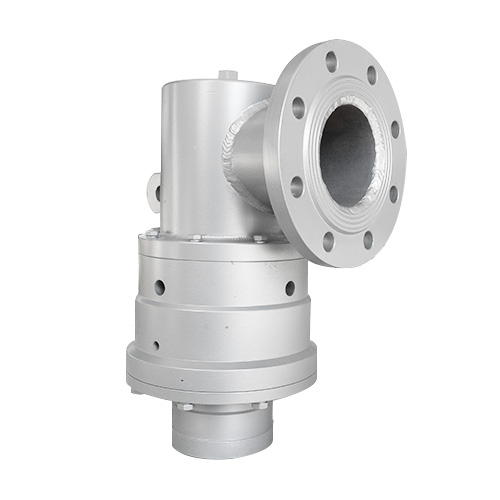
The HK type rotary joint is a specialized design of rotary unions that enables continuous fluid transfer in systems where a fixed supply interface connects with rotating machinery. These joints typically handle cold water, air, vacuum, and low‑to‑medium pressure applications.
You can explore specific details and ordering options on our internal page:
🔗 HK Type Rotary Joint product page
Rotary joints such as this fall under the broader category of rotary unions, which are used in many industrial fields. For a general overview of rotary unions and their principle of operation, see the Rotary Union Overview on Grandslipring’s technical site:
🔗 Rotary Union Overview
Core Components and Working Principle
An HK type joint typically consists of:
- A rotated body connected to the moving part of the machine.
- A stationary housing tied to the fixed piping system.
- High‑precision bearings for stable rotation.
- Multi‑spring flat seals or PTFE seals to prevent leakage.
- Gaskets and fasteners designed for repeated assembly.
When media enters the joint from the stationary side, it travels through precision‑machined pathways and exits through the rotating side without loss of pressure or unwanted leakage. This working principle allows steady fluid delivery even under fluctuating speeds and pressures.
Advantages of HK Type Rotary Joints
Stable Fluid Delivery
The HK type provides a consistent flow profile, reducing turbulence and pressure drop across the joint. This is essential in systems such as cooling circuits, hydraulic manifolds, and pneumatic lines.
Extended Service Life
Engineered with high‑grade steels and precision sealing elements, HK type joints withstand continuous rotation with minimal wear. Compared to conventional swivel joints, the flat seal design distributes loads more evenly, enhancing longevity.
Versatility Across Media Types
HK type joints can handle common industrial media including cold water, air, light hydraulic fluids, and low‑pressure vacuum. This flexibility allows them to be installed in diverse systems without significant redesign.
Reduced Maintenance Costs
Due to better seal integrity and material resilience, HK type units often require fewer unscheduled service interventions. Users report improved uptime when these joints are correctly specified and installed.
Real‑World Application Examples
Cooling Rollers in Processing Lines
A processing plant faced repeated leakage and downtime in its cooling roller system. By retrofitting HK type rotary joints with upgraded stainless‑steel seals, water leakage decreased by over 25%, and scheduled maintenance intervals extended significantly.
Pneumatic Rotary Actuators in Automation Systems
An automotive assembly line needed a reliable rotary air feed to pneumatic components. HK type rotary joints ensured smooth, continuous air delivery at high cycle rates, resulting in fewer production stoppages.
Rotating Dryers for Continuous Production
In a high‑output drying system, HK type joints proved effective in handling moderate thermal load and maintaining consistent air flow without performance drops during extended runs.
For broader context on how rotary joints support high‑speed machinery, explore this technical discussion on rotary unions used in cooling and fluid transfer:
🔗 Rotary Unions in Industrial Cooling
Comparison Table: Rotary Joint Types
Below is a comparison to help you choose between HK type rotary joints and other common joint types:
| Attribute | HK Type Rotary Joint | Standard Rotary Joint | High‑Speed Rotary Union |
|---|---|---|---|
| Typical Media | Cold water, air, vacuum | Oils, coolants | Water, air, low viscosity |
| Maximum Pressure | Up to 1.0 MPa | Up to 2.5 MPa | Up to 1.5 MPa |
| Typical Speed | Up to ~3000 RPM | Up to ~2000 RPM | Up to ~4000 RPM |
| Seal Design | Multi‑spring, PTFE | Elastomer | Advanced low‑friction |
| Best Application | Industrial fluid transfer | General fluid systems | High‑speed, precision systems |
This table is derived from engineering data provided by industry manufacturers and reflects typical configurations used in modern industrial machinery.
How to Choose the Right HK Type Rotary Joint
Here are essential factors to consider when specifying a joint:
1. Medium Compatibility
Ensure the rotary joint materials are compatible with the media being transferred. Stainless steel is ideal for water and air, while special alloys may be needed for aggressive fluids.
2. System Pressure and Speed
Match the joint’s pressure rating to your system’s peak pressure, and verify that the rated rotational speed meets operational demands.
3. Temperature Considerations
Standard HK type joints handle moderate temperature ranges. For systems exposed to high heat, consider advanced seal options designed for elevated temperatures.
4. Installation Constraints
Physical space, alignment, and piping orientation influence joint selection. Always allow for proper alignment to avoid premature seal wear.
For a deeper reference on how to evaluate rotary unions for various conditions, the expert articles on mechanical joint selection:
🔗 Rotary Union Selection
Common Issues and Solutions
Even with a high‑quality HK type rotary joint, issues can occur if system conditions are not properly matched:
- Leakage: Often caused by incompatible media, improper installation, or seal degradation.
- Vibration: Can increase seal wear; ensure proper alignment and balanced rotation.
- Pressure Surges: Exceeding rated pressure compromises seal integrity.
- Environmental Corrosion: Use corrosion‑resistant materials when necessary.
Address these proactively to maximize lifecycle performance.
Installation and Maintenance Best Practices
To ensure long joint life:
- Align Shafts Precisely: Misalignment induces uneven load on seals and bearings.
- Follow Torque Specs Carefully: Correct torque prevents fastener loosening or thread damage.
- Inspect Periodically: Look for signs of early wear or fluid creep.
- Monitor Operating Parameters: Unusual vibration or temperature spikes often foreshadow seal issues.
For additional maintenance strategies applicable to rotary systems, see this resource:
🔗 Maintenance Planning for Rotary Equipment
Conclusion
The HK type rotary joint is a versatile and practical solution for many fluid transfer needs in modern industry. By choosing the right configuration based on medium, pressure, speed, and installation requirements, you can reduce downtime, improve performance, and extend equipment service life.
If you’re unsure which rotary joint will best fit your system, our team at Shandong Xiandai Sealing Technology Equipment Co., Ltd. is ready to help. Reach out today for a personalized consultation and practical support tailored to your application.
FAQ
What is an HK type rotary joint used for?
It transfers media between stationary and rotating components in systems such as cooling rollers, pneumatic actuators, and automation machinery.
Can HK type joints handle different media?
Yes. Material and seal selection determine compatibility. Cold water, compressed air, and vacuum are common media.
How often should maintenance be performed?
It depends on operating conditions, but regular inspection every few months allows early detection of wear.
What’s the difference between HK type and high‑speed rotary joints?
HK types are general industrial duty designs, while high‑speed joints are optimized for very high RPM applications.
Where can I find detailed product specifications?
Visit the HK type rotary joint page on modernrotaryjoint.com for up‑to‑date specs and ordering information.
Latest News
Insights & Innovation
