



Table of Contents
Introduction
In modern industrial operations, efficiency and reliability are critical. A swivel joint—a precision mechanical device that allows fluid or gas transfer between fixed and rotating components—plays a pivotal role in minimizing downtime and maintaining system performance. Whether handling hydraulic oil, steam, thermal oil, or compressed air, these components ensure continuous flow without leaks. According to industrial equipment reliability reports, improper or low-qualityrotational joints can account for up to 15% of unplanned maintenance downtime in rotating systems. Understanding how to choose, maintain, and optimize swivel joints can save both time and money.
What is a Swivel Joint? Understanding the Basics
Core Function Explained in Simple Terms
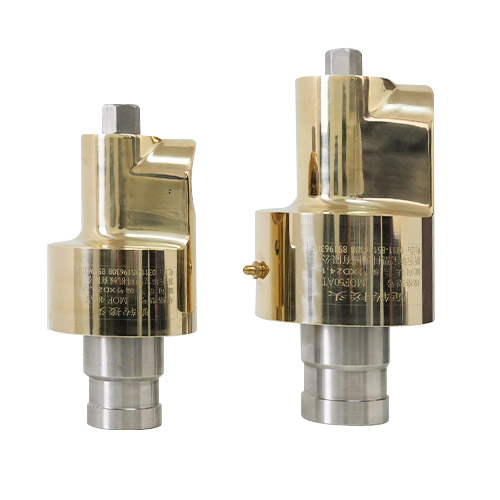
Think of a swivel joint as a bridge for fluids and gases between stationary and rotating parts. Its primary role is to maintain a leak-free connection under pressure, temperature, and rotational stress. By enabling continuous flow without disconnecting hoses or pipes, rotational joints are crucial in systems where interruptions are costly or dangerous.
Common Misconceptions: Swivel Joint vs Rotary Union
While swivel joints and rotary unions are sometimes used interchangeably, there are subtle distinctions. A rotational joint often emphasizes mechanical flexibility and directional movement, while a rotary union focuses more on sealing efficiency for high-temperature or high-pressure fluids. For engineers and system designers, the key is not the terminology but understanding the specific performance parameters required.
Types of Swivel Joints You Need to Know
Single-Flow vs Multi-Flow Rotational Joints: Pros and Cons
- Single-Flow: Suitable for simple, single-media systems, these are cost-effective and straightforward.
- Multi-Flow: Designed to handle multiple independent media, reducing the need for multiple joints and improving space utilization.
Hydraulic, Pneumatic, and Thermal Swivel Joints: Which to Use
Hydraulic swivel joints manage high-pressure fluids, pneumatic ones handle compressed air efficiently, and thermal or steam rotational joints operate reliably under high temperatures. Selecting the right type for your system ensures longevity and minimizes leakage risks.
Custom Rotational Joint Designs for Specialized Applications
Advanced industries often require tailored solutions. Customization may include material choices (stainless steel, brass, or specialized alloys), specific sealing technologies, or multi-passage designs to handle complex system needs.
Industrial Applications of Swivel Joints
Manufacturing & Automation
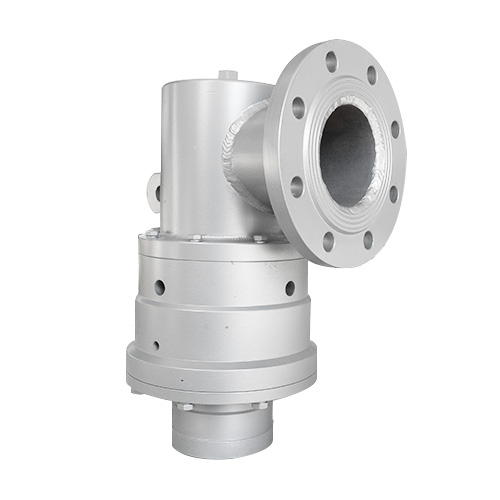
Swivel joints are integral in CNC machines, injection molding, and robotic systems, allowing coolant, hydraulic fluid, or compressed air to flow seamlessly while equipment rotates or moves.
Paper, Textile & Printing
High-speed steam and water transfer is critical in drying cylinders, rollers, and printing machines. Swivel joints maintain consistent performance, ensuring quality and productivity.
Petrochemical & Energy
Swivel joints in high-pressure oil, gas, and thermal fluid lines enhance safety and reliability. They prevent leaks that could lead to hazardous conditions or expensive equipment damage.
Key Components and How They Work
Housing, Shaft, Seals, and Bearings: How Each Part Keeps Systems Running Smoothly
- Housing: Connects to fixed pipelines and protects internal components.
- Rotating Shaft: Transfers the fluid from the fixed part to the rotating equipment.
- Seals: Mechanical, graphite, or face seals prevent leakage, even under high pressure and temperature.
- Bearings: Maintain concentric rotation and minimize vibration.
The Science of Leak Prevention: Sealing Technologies Explained
High-performance sealing technologies, such as dual-graphite or antimony-impregnated graphite, provide durability and reliability. By reducing friction and wear, they ensure minimal maintenance and consistent flow, even in extreme operational conditions.
Common Problems and How to Avoid Them
.jpg)
How to Detect Early Leaks and Prevent Downtime
- Look for unexpected fluid accumulation, pressure drops, or unusual noises.
- Regular visual inspections and minor lubrication can extend service life.
Rotational Issues: Misalignment, Bearing Wear, and Vibration Solutions
Misalignment or worn bearings can increase friction and heat. Precision installation, proper torque application, and periodic maintenance mitigate these risks.
Pressure and Temperature Failures: Tips for Safe Operation
Ensure swivel joints are rated above maximum operating pressure and temperature. Overloading or exceeding specifications is a common cause of failure.
Swivel Joint Selection Guide: Choose the Right One
Matching Media, Pressure, and Temperature Requirements
Select materials and seals compatible with the fluid, temperature, and pressure. This reduces corrosion, leakage, and premature wear.
Installation Space and Connection Type Checklist
Evaluate the available space and select appropriate connection types, such as NPT, BSP, or flange. This simplifies installation and reduces potential stress on components.
Cost vs Performance: Why the Cheapest Choice Can Backfire
Investing in a reliable rotational joint with proven sealing technology and robust materials often results in lower total cost of ownership. Consider maintenance, replacement frequency, and downtime when making purchasing decisions.
Maintenance Best Practices
Preventive Maintenance Schedules: Lubrication and Seal Checks
Follow manufacturer guidelines for lubrication intervals. Replace seals proactively to avoid unexpected shutdowns.
Quick Troubleshooting Steps to Minimize Downtime
Identify leaks or rotational irregularities early. Document inspection findings and address minor issues before they escalate.
When to Repair vs Replace a Swivel Joint
Minor seal damage can often be repaired, but structural failures or repeated issues may necessitate full replacement. Prioritize safety and system reliability.
Swivel Joint Innovations & Trends
High-Temperature, High-Speed Swivel Joints for 2025
Modern designs accommodate higher speeds and temperatures, leveraging advanced materials and seals to extend lifespan and reduce maintenance costs.
Multi-Passage & Modular Designs for Complex Systems
Multi-channel and modular rotational joints enable fluid or gas transfer for complex machinery, reducing the number of individual components and potential leak points.
Smart Sensors and Predictive Maintenance
Emerging technologies integrate sensors for real-time monitoring of temperature, pressure, and rotation. This predictive approach improves uptime and system safety.
Conclusion & Call to Action
A swivel joint is an indispensable component for efficient, safe, and high-performance industrial fluid systems. Choosing the right type, performing regular maintenance, and leveraging advanced sealing technologies ensures reliability and minimizes downtime.
Need help selecting the perfect swivel joint for your operations? Shandong Xiandai Sealing Technology Equipment Co., Ltd. experts are here to provide tailored recommendations, technical guidance, and custom solutions for your industrial systems. Contact us today to secure your fluid transfer system’s performance and longevity.
FAQ
How do I know which swivel joint type I need for my system?
Consider your media, pressure, temperature, and rotational requirements. Consult a supplier for custom guidance.
Can a leaking rotational joint be repaired?
Minor seal replacements are usually sufficient, but structural damage may require a full replacement.
How long do rotational joints typically last?
Lifespan depends on operating conditions, maintenance, and media compatibility. Proper selection and care extend life.
What’s the difference between a rotational joint and a rotary union?
Swivel joints emphasize flexibility and movement; rotary unions emphasize sealed media transfer under pressure or heat.
Are rotational joints suitable for extreme temperatures and corrosive fluids?
Yes, with the right materials and sealing technologies, they can reliably operate under harsh industrial conditions.
Latest News
Insights & Innovation
