



Table of Contents
If you’re exploring ways to enhance your equipment performance, understanding the rotary joint definition is essential. Many operators overlook the critical role rotary joints play in transferring fluids or gases between stationary and rotating parts, which can significantly impact efficiency, safety, and maintenance costs. In this guide, you’ll learn the technical definition, applications, selection criteria, and practical insights from real-world cases to help you make informed decisions.
What is a Rotary Joint?
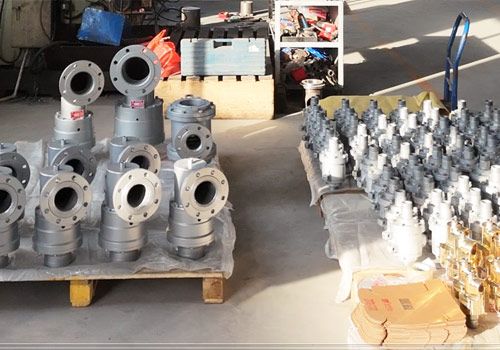
A rotary joint, also known as a swivel joint or rotating union, is a mechanical device that enables the transfer of liquids or gases from a stationary source to a rotating component. Unlike rigid piping systems, rotary joints allow movement while maintaining fluid integrity and system pressure.
Key points you should know:
- It prevents leakage at the interface between moving and stationary parts.
- It supports high-speed and high-pressure operations.
- It comes in various materials, including stainless steel, brass, and high-grade alloys to suit different industrial environments.
Understanding this definition is the first step in ensuring you choose the right rotary joint for your specific needs.
Core Components of Rotary Joints
To fully grasp the rotary joint definition, you need to recognize its primary components:
- Housing: The stationary part that connects to the supply line.
- Rotor or Shaft: The rotating element that transmits fluid or gas.
- Seals: Prevent leakage and maintain pressure. PTFE or graphite seals are common.
- Bearings: Support rotation while minimizing friction and wear.
Each component affects the joint’s reliability and longevity, so when evaluating suppliers, look for detailed technical specifications for each element.
Industrial Applications of Rotary Joints
Rotary joints are widely used across industries. Understanding where they are applied helps you assess the kind of product you need:
- Paper and Pulp Industry: Transferring steam to drying cylinders at high temperature.
- Chemical Processing: Moving corrosive fluids safely between rotating drums.
- Hydraulic Systems: Enabling rotation while maintaining fluid power in presses or robotics.
- Food and Beverage: Handling steam, water, or gases in hygienic environments.
Case Study: A beverage bottling plant faced leaks in rotary joints supplying carbonated water to rotating filling heads. By switching to corrosion-resistant stainless steel rotary joints with high-quality seals, the plant reduced downtime by 30% and maintained consistent carbonation levels.
Factors to Consider When Selecting a Rotary Joint
Choosing a rotary joint isn’t just about size; multiple factors influence performance:
| Factor | Why It Matters | Practical Tip |
|---|---|---|
| Pressure Rating | Ensures joint withstands system pressure | Always select a joint rated above your max operating pressure |
| Rotational Speed | Affects wear on bearings and seals | Check supplier’s rpm recommendations |
| Material Compatibility | Prevents corrosion and chemical reaction | Match joint materials to your fluid type |
| Seal Type | Influences leak prevention and longevity | PTFE or metal-to-metal seals are suitable for high temp/pressure |
| Maintenance Interval | Determines downtime and costs | Choose joints that offer long maintenance cycles |
Understanding these factors helps you make choices that extend equipment life and reduce operational risk.
How Supplier Expertise Impacts Performance
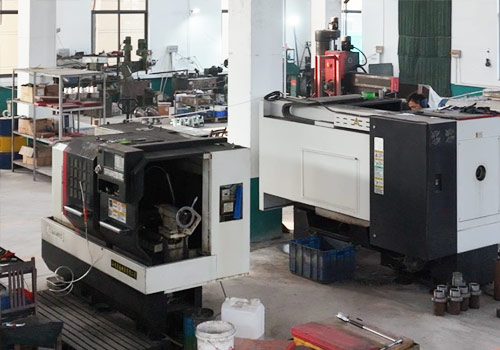
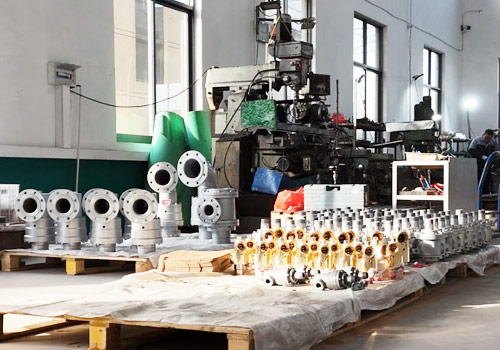
The rotary joint definition extends beyond the device itself—it also includes the expertise of your supplier. A knowledgeable supplier can help you:
- Determine the correct size and configuration for your system
- Customize material and seal combinations for unique applications
- Provide technical support and installation guidance
- Offer preventive maintenance advice to reduce unexpected failures
Example: A chemical processing facility initially sourced standard rotary joints, which failed under aggressive conditions. Partnering with a supplier providing expert guidance allowed them to select specialized joints resistant to corrosion and high temperatures, increasing uptime by 40%.
Installation and Maintenance Tips
Proper installation is crucial to performance. Here’s what you should keep in mind:
- Alignment: Misalignment can cause premature seal wear.
- Torque Settings: Ensure bolts and fittings are tightened according to specifications.
- Lubrication: Some joints require periodic lubrication to maintain bearing life.
- Inspection Schedule: Check for leaks or unusual noises every 3–6 months.
Following these tips can prolong rotary joint lifespan and avoid unplanned downtime.
Cost vs. Value Considerations
While you might be tempted to choose the lowest cost option, consider total cost of ownership:
- Frequent replacements due to subpar quality can increase expenses
- Downtime costs in high-speed production lines are often higher than component costs
- Energy losses from inefficient joints affect operational budgets
Investing in high-quality joints from trusted suppliers ensures long-term efficiency and safety.
Emerging Trends in Rotary Joint Technology
You should also be aware of innovations that affect your choice:
- Advanced Sealing Materials: Graphite and composite seals reduce wear.
- High-Speed Bearings: Allow smooth operation at higher rpm with minimal maintenance.
- Corrosion-Resistant Coatings: Extend service life in harsh chemical environments.
- Digital Monitoring: Sensors embedded in rotary joints now allow real-time monitoring of flow, pressure, and temperature.
Staying updated with these trends helps you select joints that meet modern industrial demands.
Conclusion
Understanding the rotary joint definition is your first step toward optimizing industrial systems. By carefully selecting the right materials, seals, and suppliers, and following proper installation and maintenance practices, you can extend equipment life, reduce downtime, and increase operational efficiency.
If you’re ready to upgrade your equipment and ensure reliable fluid or gas transfer, contact Modern Sealing today to discuss rotary joint solutions tailored to your application.
FAQ
How do I define a rotary joint in simple terms?
A rotary joint is a device that allows fluids or gases to flow between stationary and rotating parts without leaks.
Can rotary joints handle high pressure and speed?
Yes, but you must choose joints rated for your system’s specific pressure and rpm.
How often should I inspect rotary joints?
Routine inspections every 3–6 months are recommended, depending on operating conditions.
Are rotary joints customizable?
Yes, many suppliers offer custom materials, seals, and configurations.
What maintenance is required for rotary joints?
Proper installation, alignment, lubrication, and periodic inspection help maintain longevity and efficiency.
Latest News
Insights & Innovation
