



Table of Contents
Introduction
In modern industrial systems, reliable fluid transfer and flexibility are critical for operational efficiency and safety. Stainless flex hoses are widely used because they provide a combination of durability, adaptability, and resistance to challenging environments. They ensure that systems operate smoothly, even under extreme pressures, temperatures, or vibrations.
Whether you are in chemical processing, HVAC, steam transfer, food and beverage production, or marine applications, stainless flex hoses have become indispensable components that optimize system performance.
Key Materials in Stainless Flex Hoses
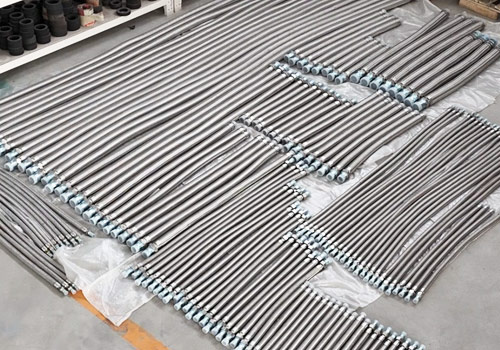
Stainless steel is the most popular material due to its exceptional corrosion resistance, high strength, and ability to withstand harsh conditions. Common alloys include 304 and 316, which can resist aggressive chemicals and provide long-lasting service life.
According to [Industrial Hose Handbook], selecting the correct stainless steel grade can increase hose longevity by 25–30%, especially in corrosive or high-temperature environments. For applications exposed to extreme chemicals or seawater, 316-grade stainless steel is typically preferred.
Other materials, such as PTFE liners combined with stainless steel braids, are sometimes used to reduce friction, prevent contamination, and enhance chemical compatibility.
High-Temperature and High-Pressure Applications
Stainless flex hoses are designed to handle demanding operational conditions. They can safely operate at temperatures ranging from -200°C to 500°C, making them ideal for steam, thermal fluid, or high-temperature chemical systems.
In high-pressure systems, stainless flex hoses can withstand pressures up to 25MPa, depending on diameter, braid reinforcement, and construction. Properly rated hoses prevent leaks, reduce downtime, and improve the reliability of fluid systems.
Industries relying on high-pressure steam lines, hydraulic transfer, or compressed air benefit from stainless flex hoses because they absorb vibration and reduce stress on fixed piping systems.
Corrosion Resistance Benefits
One of the main advantages of stainless flex hoses is their corrosion resistance. They maintain structural integrity even when exposed to water, acids, alkalis, or other harsh chemicals. This minimizes maintenance requirements, reduces replacement costs, and extends system life.
For example, in chemical plants, stainless flex hoses resist corrosion from aggressive acids and bases that would quickly degrade traditional metal pipes. In marine applications, the hoses withstand saltwater exposure, providing reliability over long-term operation.
Customization and Industrial Applications
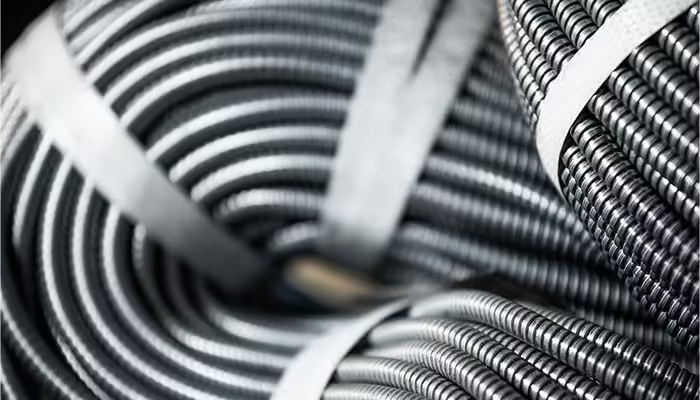
Stainless flex hoses are highly versatile and can be customized to meet the exact needs of an operation. Custom options include:
- Hose length and diameter
- Braid layers and reinforcement for high pressure
- End fittings such as flanges, threaded connections, or welded ends
- PTFE liners or coatings for chemical compatibility
Typical applications include:
- Chemical plants: Handling acids, solvents, and steam transfer
- Food & beverage: Sanitary connections with cleanability standards
- Marine and offshore: Flexible pipelines resistant to saltwater corrosion
- HVAC and steam systems: Absorbing thermal expansion and vibration
Installation Tips for Long-Lasting Performance
Proper installation ensures that stainless flex hoses perform optimally:
- Avoid twisting, stretching, or exceeding bend radius
- Use appropriate supports and anchors to reduce stress points
- Ensure compatibility between hose and fittings
- Keep hoses away from abrasive surfaces and high-heat sources
By following best practices, you can significantly extend the service life of stainless flex hoses and prevent common issues like kinking or premature wear.
Maintenance Practices for Extended Life
Maintenance is key to maximizing hose performance:
- Inspect hoses periodically for signs of corrosion, cracking, or leaks
- Clean hoses regularly, particularly in sanitary or chemical applications
- Rotate hoses in high-vibration systems to prevent localized fatigue
- Replace end fittings when worn to maintain sealing integrity
Routine inspection and preventive maintenance can reduce downtime and avoid costly failures.
Table: Stainless Flex Hose Specifications
| Specification | Typical Range | Notes |
|---|---|---|
| Material | 304 / 316 Stainless Steel | Choose based on chemical exposure |
| Temperature | -200°C to 500°C | High-temperature resistant |
| Pressure | Up to 25 MPa | Depends on diameter & braid |
| Diameter | 1/4″ to 6″ | Customizable for application |
| Bend Radius | 1.5x hose diameter | Avoid sharp bends |
| End Fittings | Flanges, threaded, welded | Application-dependent |
Troubleshooting Common Issues
- Leaks: Often caused by improper fittings or installation errors
- Kinking: Exceeding the hose bend radius or using unsupported lengths
- Corrosion spots: Check chemical compatibility and material grade
- Fatigue or wear: Monitor vibration-prone areas and replace hoses proactively
Proactive inspection can prevent these common issues and ensure continuous operation.
Conclusion
Stainless flex hoses offer unmatched flexibility, durability, and corrosion resistance for industrial and commercial applications. They improve system efficiency, reduce maintenance costs, and provide safe, reliable operation even under extreme conditions.
For customized stainless flex hose solutions tailored to your specific needs, Shandong Xiandai Sealing Technology Equipment Co., Ltd. is a trusted provider. Contact us today to discuss your project requirements and enhance the performance of your fluid systems.
FAQ
What industries commonly use stainless flex hoses?
Chemical, food & beverage, HVAC, steam systems, marine, and oil & gas industries widely rely on these hoses.
How long do stainless flex hoses last?
With proper installation and maintenance, hoses can last 5–15 years depending on conditions and material grade.
Can stainless flex hoses be customized?
Yes, hoses can be tailored in length, diameter, braid layers, and fittings for specific industrial applications.
Latest News
Insights & Innovation
