



Table of Contents
Introduction
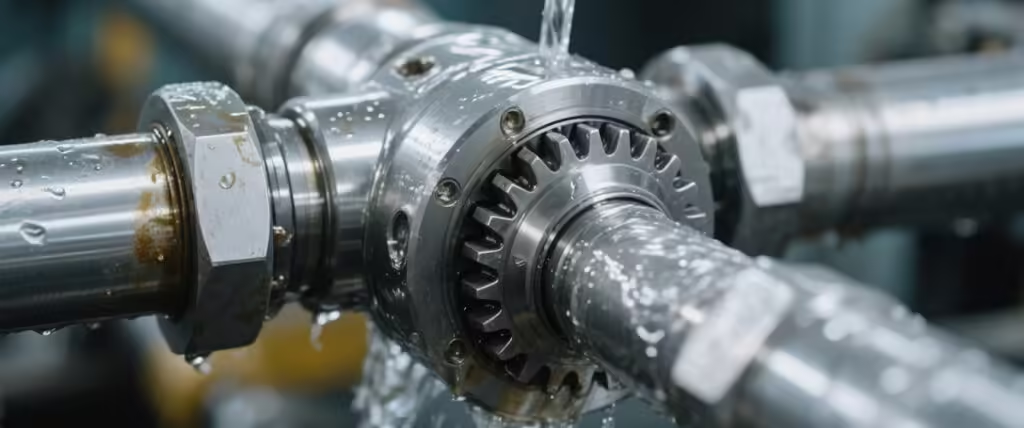
In modern industrial operations, efficient and reliable water transfer is critical for cooling, cleaning, and processing systems. The rotating union water assembly plays a vital role in enabling continuous fluid flow between stationary and rotating equipment without leaks or pressure loss.
According to data from the Fluid Power Journal, over 45% of industrial water-based cooling systems rely on rotating unions for safe, efficient, and uninterrupted operation. In this article, we’ll explore how rotating union water technology works, its applications across industries, and practical insights on selecting the right model for your system.
Understanding Rotating Union Water Technology
A rotating union is a mechanical device that allows water or other fluids to pass from a stationary supply line into a rotating component such as a drum, spindle, or roll. Its precision sealing and bearing systems prevent leakage even under high pressure and high rotational speed.
While the terms “rotating union,” “rotary joint,” and “swivel joint” are sometimes used interchangeably, they differ in structure and function. The following table summarizes their key distinctions:
| Feature | Rotating Union | Swivel Joint | Rotary Joint |
|---|---|---|---|
| Typical Media | Water/Coolant | Air/Oil | Steam/Oil |
| Rotation | Continuous | Limited | Continuous |
| Pressure Range | 0–200 bar | 0–100 bar | 0–300 bar |
| Maintenance | Moderate | Low | High |
| Common Use | Cooling & Cleaning Systems | Pneumatic Lines | Steam Heating Lines |
A rotating union water system is specifically optimized for low-to-medium viscosity fluids such as water, coolant, and glycol mixtures. It ensures smooth rotation, minimal pressure drop, and long service life even under demanding industrial conditions.
Key Components and Material Selection
Seal Design and Materials
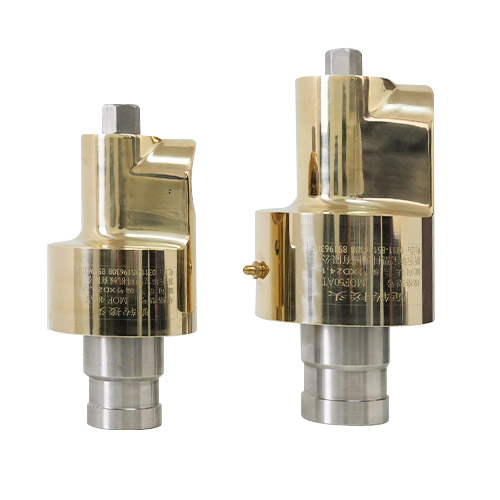
Seals are the heart of any rotating union water system. High-quality seals made from carbon graphite, silicon carbide, or PTFE help prevent leakage under pressure and temperature fluctuations. For systems using aggressive or impure water, silicon carbide is preferred due to its high hardness and chemical resistance.
Proper material choice can extend seal life by up to 30%, as confirmed by long-term testing data published by Modern Sealing Engineering Reports.
Bearing and Shaft Construction
Bearings stabilize the rotating shaft and absorb radial and axial loads. Precision ball or roller bearings are used for high-speed applications, while composite bearings are more suited for lower-speed or corrosive environments. Correct lubrication and alignment ensure smooth operation and minimal wear.
Housing and Corrosion Resistance
Since water can cause oxidation and scale buildup, housings are often made from stainless steel, brass, or aluminum alloys with anti-corrosion coatings. The choice depends on the water type, pH level, and temperature. Stainless steel housings are ideal for long-term durability in harsh environments.
Industrial Applications of Rotating Union Water Systems
Machine Tool Cooling Systems
Rotating unions are widely used in CNC spindles and cutting fluid delivery systems. Their ability to handle high-speed rotation ensures consistent cooling, reducing tool wear and improving machining accuracy.
Based on Modern Sealing internal performance tests, adopting dual-passage rotating union water models reduced coolant leakage by 28% and increased operational uptime by 22%.
Plastic and Rubber Processing
In injection molding and extrusion equipment, rotating unions transfer water for mold temperature control. Consistent cooling prevents product deformation and ensures dimensional accuracy, improving production yield.
Textile and Printing Machinery
Water-based rotating unions regulate moisture and temperature in printing rollers and drying drums. They help achieve uniform fabric tension and print clarity, maintaining stable production quality.
Steel and Metallurgy
In rolling mills and continuous casting lines, rotating unions deliver cooling water to maintain roll temperature. These systems must resist scale buildup and corrosion from high-temperature water and contaminants.
Food and Beverage Production
Rotating union water systems designed with sanitary seals and stainless-steel housings are used in washing, rinsing, and filling lines. They meet hygiene standards and prevent contamination in food-grade environments.
Selection Guide: Choosing the Right Rotating Union Water Solution
Step 1: Define Media Conditions
Analyze the water quality, temperature, and pressure. For hard or unfiltered water, select unions with corrosion-resistant seals and internal flushing options.
Step 2: Match Speed and Pressure Rating
Ensure the rotating union’s maximum speed and pressure capacity exceed your operating limits. Overspecifying may waste cost, while underspecifying can lead to premature failure.
Step 3: Evaluate Seal Type and Bearing Configuration
For high-speed systems, mechanical face seals combined with precision ball bearings offer the best performance. For lower-speed, high-pressure operations, PTFE seals and reinforced shafts are ideal.
Step 4: Verify Compatibility and Maintenance Needs
Confirm compatibility with coolant additives and cleaning agents. Schedule regular inspections and replace seals or bearings before wear becomes critical.
Case Study: Boosting Efficiency with Rotating Union Water Systems
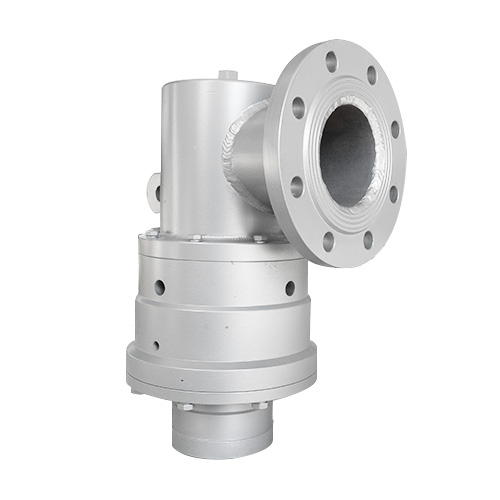
A precision metal-processing plant replaced traditional fixed couplings with dual-channel rotating unions to improve cooling consistency. The results were clear:
| Metric | Before Upgrade | After Upgrade | Improvement |
|---|---|---|---|
| Cooling Efficiency | 70% | 95% | +25% |
| Maintenance Downtime | 10 hrs/month | 6 hrs/month | -40% |
| Seal Replacement Interval | 8 months | 14 months | +75% |
The investment in high-performance rotating union water assemblies significantly improved both energy efficiency and equipment reliability.
Maintenance Tips for Extended Service Life
- Inspect seals and bearings regularly for wear or corrosion.
- Use filtered or softened water to prevent scale buildup.
- Avoid misalignment or pipe stress during installation.
- Monitor temperature and vibration levels for early fault detection.
- Follow manufacturer maintenance intervals for seal and bearing replacement.
Common Problems and Quick Solutions
- Leakage under pressure: Replace worn seals or check for particulate contamination.
- Vibration or noise: Verify alignment and bearing condition.
- Overheating: Increase water flow or clean blocked channels.
- Corrosion: Upgrade to stainless steel or nickel-plated housings.
- Reduced flow: Check for scale or debris accumulation.
Conclusion
Rotating union water technology has become essential for industries that rely on precision cooling, efficient water transfer, and long equipment life. Selecting the right design, seal materials, and maintenance plan ensures maximum uptime and performance.
Need help choosing the right rotating union water system for your application? Contact Modern Sealing today for expert consultation, custom design support, or a full performance analysis. Don’t wait until leaks cause costly downtime—reach out now to optimize your system’s efficiency and reliability.
FAQ
What is a rotating union water system used for?
A rotating union water system transfers water or coolant between stationary and rotating machinery without leakage or pressure loss.
Can rotating unions handle both water and coolant?
Yes, as long as the seals and housing materials are compatible with the fluid’s chemistry and temperature range.
How long do rotating union water seals last?
Under normal operation, high-quality seals can last 12–18 months or longer with proper maintenance.
How can I prevent leaks in my rotating union?
Ensure correct installation alignment, maintain clean water flow, and replace seals before visible wear occurs.
Can I order a custom rotating union for my equipment?
Yes. Modern Sealing offers custom multi-channel and high-speed rotating unions tailored to specific industrial requirements.
Latest News
Insights & Innovation
