



Table of Contents
Rotating joints are vital components in modern industrial systems, enabling the efficient transfer of fluids and gases between stationary and rotating equipment. If you are managing industrial machinery or fluid systems, understanding how rotational joints work and how to select the right type can significantly reduce downtime, improve safety, and extend equipment life.
In this guide, we will explore rotating joints in detail, focusing on selection, maintenance, applications, and real-world performance data, helping you make informed decisions for your operations.
What Are Rotating Joints and Why They Matter
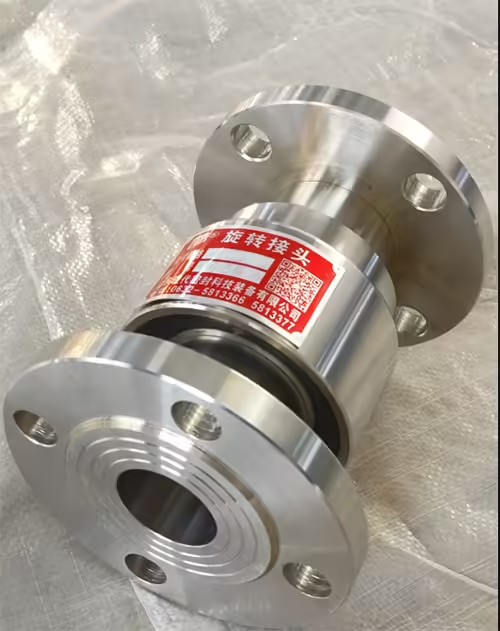
Rotating joints, also known as rotary unions, are mechanical devices that allow the transfer of fluids—such as hydraulic oil, water, steam, or air—from a stationary supply line to a rotating component. These components are widely used in manufacturing machinery, hydraulic systems, paper machines, textile equipment, and chemical processing plants.
A well-selected rotating joint ensures:
- Smooth fluid flow with minimal leakage
- Reduced wear on machinery components
- Long-term operational reliability under pressure and temperature variations
For example, in hydraulic presses, improper rotating joint selection can lead to frequent downtime and oil leakage, costing thousands in maintenance.
Key Types of Rotating Joints
Rotating joints can be categorized based on fluid type, pressure requirements, and motion characteristics. Common types include:
- Single-Passage Joints: Designed for one fluid channel, ideal for simple applications.
- Multi-Passage Joints: Handle multiple fluid channels simultaneously, often used in complex hydraulic systems.
- High-Pressure Joints: Rated for pressures above 500 PSI, suitable for heavy-duty hydraulics.
- Steam and Gas Joints: Engineered to resist high temperature and prevent leakage under thermal expansion.
Understanding these categories helps you match the joint with the specific requirements of your machinery, ensuring operational efficiency.
Matching Rotating Joint Type to Application Requirements
Different industries impose unique demands on rotational joints. Here’s how you can align joint selection with your specific application:
Hydraulic Systems:
Hydraulic rotating joints must tolerate high pressures and frequent motion cycles. Materials like hardened steel combined with PTFE seals are recommended to minimize wear.
Chemical Processing:
Media compatibility is critical. Stainless steel or alloy materials with PTFE or FKM seals provide resistance to corrosion and chemical attack.
High-Temperature Applications:
Steam or hot oil systems require joints with graphite or metal-to-metal sealing technology, which maintain performance under extreme temperatures.
Abrasive Applications:
In slurry or abrasive fluid systems, joints with reinforced bearing structures and abrasion-resistant metallurgy reduce wear and downtime.
Case Study: Rotating Joint Selection in a Hydraulic Press
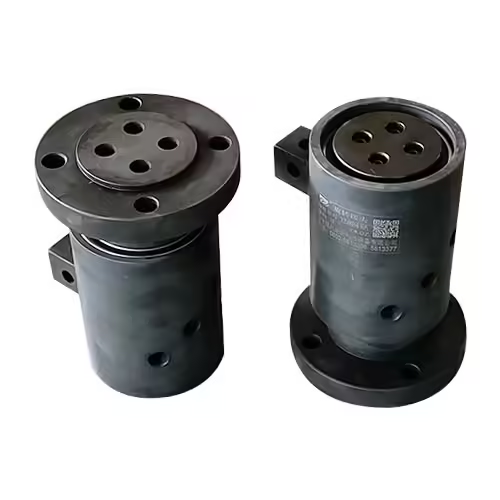
A manufacturing plant experienced frequent oil leakage in its hydraulic press system. After evaluation, the engineering team switched to a multi-passage, high-pressure stainless steel rotating joint with PTFE seals.
Results:
- 45% reduction in maintenance downtime
- Zero fluid leakage over 12 months
- Increased operational efficiency by 30%
This case illustrates how proper joint selection tailored to system requirements can have a tangible impact on performance and cost savings.
Key Selection Factors for Rotating Joints
When choosing a rotating joint, consider the following factors:
| Factor | Importance | Practical Tip |
|---|---|---|
| Fluid Type | Determines seal material and corrosion resistance | Use compatible materials like stainless steel for corrosive fluids |
| Pressure Rating | Must exceed system operating pressure | High-pressure systems need reinforced joints |
| Temperature Range | Affects seal life and material selection | Use graphite seals for high-temp applications |
| Flow Rate | Ensures proper system operation | Verify the joint diameter matches required flow |
| Rotation Speed | Prevents premature bearing wear | Bearings and lubrication must suit rotational RPM |
| Maintenance | Determines ease of replacement | Opt for joints with accessible seals and bearings |
This table provides a practical comparison for engineers and operators to quickly assess suitability.
Maintenance Best Practices
Proper maintenance extends the life of your rotating joints. Recommendations include:
- Regular inspection for leaks, corrosion, or wear
- Lubrication according to manufacturer specifications
- Monitoring operating pressure and flow rates
- Replacing seals and bearings proactively
For example, a paper machine using improperly lubricated joints may see seal failure in weeks. With scheduled maintenance, the same joints can last for several years.
Innovations in Rotating Joint Design
Recent innovations focus on increasing efficiency and reducing downtime:
- Multi-channel designs for simultaneous fluid transfer
- Advanced seal materials like FKM and PTFE composites
- Modular designs for easier installation and maintenance
- Vibration-resistant bearings to handle high-speed rotation
These technological improvements allow you to optimize equipment performance while reducing operational risks.
Real-World Applications Across Industries
Rotating joints are used in diverse sectors:
- Paper and Pulp Industry: For steam and water distribution in drying cylinders
- Chemical Processing: For safe transfer of corrosive or high-temperature fluids
- Hydraulic Equipment: For presses, lifts, and molds with high-pressure oil systems
- Textile Machinery: For dyeing and finishing processes requiring fluid rotation
The adaptability of rotational joints allows you to standardize equipment while accommodating specific operational needs.
Case Study: Rotating Joints in Food Processing
A food processing plant required a sanitary rotational joint for transferring hot water in a pasteurization line. By selecting a stainless steel, high-temperature joint with food-grade seals, the plant:
- Achieved full compliance with hygiene standards
- Reduced water leakage and downtime by 25%
- Simplified cleaning and maintenance
This example shows how proper joint selection aligns with regulatory and operational goals.
Common Problems and How to Avoid Them
Some issues you may encounter:
- Leakage: Often due to seal mismatch or improper installation
- Bearing Failure: Caused by excessive rotational speed or misalignment
- Corrosion: Occurs if materials are incompatible with the media
- Pressure Drop: Improper sizing can restrict flow and reduce efficiency
Regular monitoring and choosing the right joint for your system are essential to avoid these problems.
Conclusion
Selecting the right rotating joint is critical to ensuring your machinery operates efficiently and safely. By considering fluid type, pressure, temperature, and rotational speed, you can extend equipment life, reduce downtime, and improve overall performance.
If you’re looking for high-quality, custom rotary joints, our team at Modern Rotary Joint can help you identify and implement the ideal solution for your system. Don’t wait until downtime impacts your production—consult our experts today to optimize your operations with precision-engineered rotating joints.
FAQ
How do I know which rotating joint material is right for my application?
Consider the fluid type, pressure, and temperature. Stainless steel is versatile for most corrosive or high-temp applications.
Can I use a single passage joint for multiple fluids?
No. Multi-passage joints are required for simultaneous fluid transfer to avoid contamination.
How often should I inspect a rotational joint?
Inspection frequency depends on operation. For high-pressure or high-speed systems, monthly checks are recommended.
What maintenance extends the life of a rotational joint?
Regular lubrication, seal inspection, bearing monitoring, and pressure control help maximize joint lifespan.
Are rotational joints suitable for food and pharmaceutical applications?
Yes. Stainless steel joints with sanitary seals comply with hygiene standards for these industries.
Need Help Choosing the Right Rotating Joint?
If you’re unsure which rotary joint fits your equipment, our experts are here to help. Contact us today for a personalized consultation and ensure your system operates safely and efficiently. Don’t wait—get in touch now to protect your machinery and boost productivity!
Latest News
Insights & Innovation
