



Table of Contents
You rely on seamless movement and leak-free operation every time your machines run. A rotary joint connects your rotating equipment to fixed piping, allowing essential fluids to pass through without interruption or spillage.
- Around 42% of market demand for thermal oil rotary joints comes from the machinery industry, showing how vital these components are for industrial operations.
- Rotary joints securely handle high-pressure media, lowering the risk of leaks or bursts and supporting worker safety.

| Performance Metric | Impact Description |
|---|---|
| Efficiency | Rotary joints enable rapid heat exchange and fluid transfer without halting machinery, leading to increased throughput. |
| Downtime | They minimize downtime by allowing continuous operation during high-load processing, eliminating the need for manual interventions. |
| Equipment Lifespan | By minimizing wear and tear, rotary unions extend the service life of critical equipment, resulting in lower maintenance costs. |
Understanding the design, selection, and care of these parts helps you improve your equipment’s efficiency and reliability. Consider how a single rotary joint can impact your entire operation.
Key Takeaways
- Rotary joints are essential for seamless fluid transfer in machines, preventing leaks and ensuring smooth operation.
- Choosing the right rotary joint type based on fluid, pressure, and temperature is crucial for optimal performance.
- Regular maintenance, including cleaning and lubrication, can extend the lifespan of rotary unions and reduce downtime.
- Advanced sealing technologies in rotary joints help maintain efficiency and prevent leaks under high pressure and temperature.
- Multi-way rotary joints simplify piping by allowing multiple fluids to pass through one connection, enhancing reliability.
- Smart rotary joints equipped with sensors can monitor conditions in real time, helping to predict maintenance needs and avoid failures.
- Proper installation and alignment of rotary unions are vital to prevent premature wear and ensure effective operation.
- Investing in high-quality rotary unions can lead to increased productivity and reduced operational costs across various industries.
Rotary joint basics
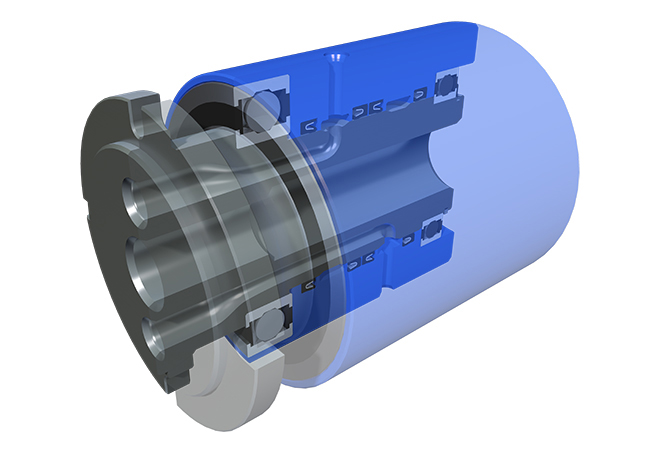
What is a rotary joint?
You encounter rotary unions in many machines that require the transfer of fluids or gases between moving and stationary parts. A rotary joint, sometimes called a rotary union, is a mechanical device that allows fluids or gases to pass from a stationary component to a rotating one. This device creates a continuous and leak-free passage, which is essential for keeping your equipment running smoothly. Rotary joints play a critical role in maintaining the performance of rotating machinery by preventing leaks and ensuring reliable fluid transfer.
Main functions
Rotary joints serve several important functions across different industries. You rely on them to transfer power, signals, and fluids in automation systems, packaging machines, and printing presses. The table below shows how rotary unions support various sectors:
| Industry Sector | Function Description |
|---|---|
| Manufacturing | Enables power, signals, and fluid transfer in automation processes, essential for robotic arms and conveyor systems. |
| Packaging | Transfers power and signals to rotating components for high-speed and accurate packaging operations. |
| Printing and Paper | Essential for transferring power and fluids in printing presses and converting machines for quality control. |
| Renewable Energy | Used in wind turbines and solar tracking systems for power and signal transfer. |
| Medical Equipment | Allows precise imaging and surgical procedures in devices like CT scanners and surgical robots. |
| Aerospace and Defense | Enables rotation of sensors and cameras in aircraft radar systems and military applications. |
You see rotary unions in action wherever machines need to move while transferring fluids, signals, or power.
Common fluids transferred
Rotary joints handle a wide range of fluids in industrial applications. You often use them to transfer steam, water, oil, air, and other specialized media.
Steam and water
You frequently find rotary joints transferring steam and water in manufacturing environments. Steam helps with heating and drying processes, while water cools machinery and maintains temperature control. These fluids are common in textile production, paper mills, and food processing plants.
- Steam
- Water
- Coolant
Oil and air
Rotary joints also transfer oil and air in many machines. Oil provides lubrication and hydraulic power, which keeps moving parts operating smoothly. Air powers pneumatic tools and controls, making it vital for automation and packaging systems.
- Hydraulic oil
- Thermal oil
- Air
- Hydraulic fluid
You select the right rotary union based on the type of fluid, pressure, and temperature requirements in your operation.
Types of rotary joints
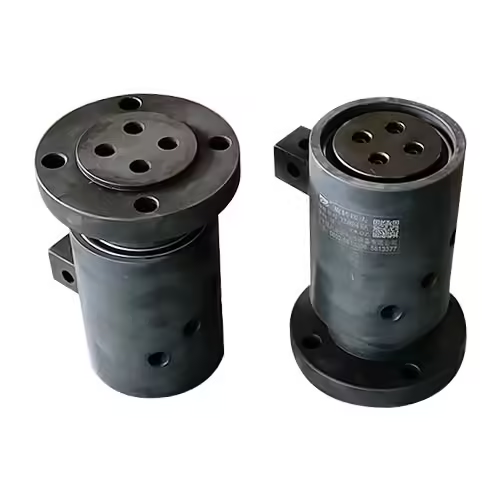
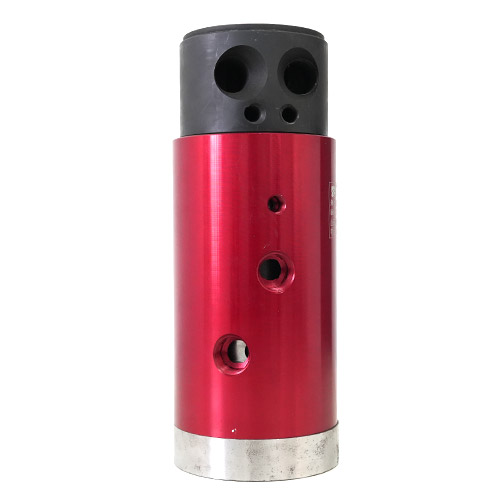
You encounter several types of rotary joints in industrial settings. Each type serves a specific purpose and fits unique operational needs. Understanding these types helps you select the right component for your machinery.
| Type of Rotary Joint | Distinguishing Features |
|---|---|
| Steam Rotary Joint | Handles high temperatures and pressures. Used in heating, drying, and sterilization. |
| Air Rotary Joint | Lightweight and supports high-speed rotations. Ideal for pneumatic tools and air transfer. |
| Oil Rotary Joint | Transfers lubricants or thermal oils. Prevents contamination and ensures lubrication. |
| Hydraulic Oil Rotary Joint | Manages high pressures. Essential for hydraulic systems in heavy machinery. |
| High-Pressure Rotary Joint | Built for extreme pressure. Used in oil drilling and chemical processing. |
| High-Speed Rotary Joint | Reduces friction for smooth, fast operation. Common in printing presses and machine tools. |
| Multi-Passage Rotary Joint | Transfers multiple fluids or gases at once. Useful in robotics and complex machinery. |
Single-way
A single-way rotary joint allows you to transfer one type of fluid or gas between stationary and rotating parts. You often use this type when your process only needs a single medium, such as steam, water, or oil. Single-way rotary unions appear in many machines because of their simple design and reliable performance.
Tip: Choose a single-way rotary union for straightforward applications where you only need to move one fluid or gas.
Common uses for single-way rotary joints include:
- Textile and printing industries, where you transfer steam or water for drying and dyeing.
- Steel and metallurgy equipment, where you manage hydraulic oil or cooling water for temperature control.
- Plastic and rubber machinery, where you circulate thermal oil or water for heating.
Multi-way
A multi-way rotary joint, also called a multi-passage rotary union, lets you transfer several different fluids or gases through one rotating connection. You benefit from this design when your machine needs to handle complex processes, such as combining air, oil, and water supplies in a single interface.
| Application Area | Description |
|---|---|
| Plastic and Rubber Machinery | Handles multiple thermal oil or cooling water circuits for better heating efficiency. |
| Steel and Metallurgy Equipment | Manages hydraulic oil and cooling water for precise thermal regulation in casting machines. |
| Textile and Printing Industries | Transmits steam, air, and water for consistent temperature and humidity in drying and dyeing. |
| Petrochemical Processing | Manages multiple liquid and gas flows in chemical reactors under extreme conditions. |
| Automation and Robotics | Combines air, oil, and water supply through one interface, improving system reliability. |
Multi-way rotary joints help you simplify piping layouts and reduce the number of connections. You improve reliability and save space by using one joint for several media.
Note: Multi-way rotary unions are essential in automation and robotics, where you need to control many functions through a single rotating platform.
You can see that choosing the right rotary union type depends on your application’s complexity and the number of fluids you need to transfer.
Smooth machine movement
Leak-tight sealing
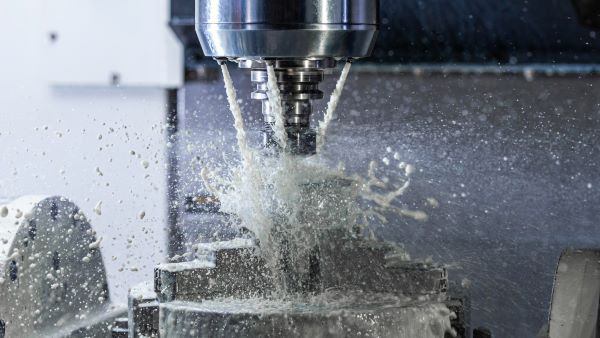
You depend on leak-tight sealing to keep your machines running smoothly. Rotary joints use advanced sealing technologies that prevent fluid from escaping while the shaft rotates. Seals must be tough enough to handle constant motion and resist wear. You often see custom solutions, such as spring-energized seals and high-performance materials, used to boost durability and reliability. These seals must also match the chemical properties of the fluids they handle, or they risk breaking down and causing leaks.
- Preventing leakage keeps your operation efficient.
- Durable seals withstand stress from fluctuating pressures and temperatures.
- Chemical compatibility protects seals from degradation.
Rotary applications involve sealing around a rotating shaft, which introduces unique challenges such as high surface speeds, shaft runout, and localized wear. High-performance PTFE-based materials or filled composites are typically required to address these demanding conditions.
When you choose the right sealing technology, you avoid costly downtime and keep your equipment safe.
Reducing friction
You want your machines to move with minimal resistance. Rotary joints help by transferring fluids from a stationary source to a rotating part, which reduces friction and keeps your equipment running smoothly. The seals inside these joints play a key role. They not only prevent leaks but also lower torque drag, which is the force that resists rotation.
- Rotary joints minimize friction during fluid transfer.
- Well-designed seals reduce torque drag and help parts rotate freely.
- Careful material selection for seals leads to longer equipment life.
If you select rotary joints with the right seals and materials, you improve efficiency and reduce wear on moving parts. Your machines last longer and require less maintenance.
Enhancing efficiency
You strive for maximum efficiency in your operations. Rotary joints support this goal by ensuring consistent fluid transfer and reducing downtime. In automated systems, you can see downtime drop by up to 25% when you use high-quality rotary unions. Reliable fluid transfer means your machines work at peak performance, which boosts productivity.
| Benefit | Description |
|---|---|
| Reduced Downtime | Rotary joints can cut downtime by up to 25%. |
| Consistent Fluid Flow | Steady transfer keeps machines running smoothly. |
| Increased Productivity | Efficient operation leads to higher output. |
You notice the impact across many industries, from manufacturing to food processing. When you invest in the right rotary union, you get smoother movement, fewer interruptions, and better results.
Rotary joint design secrets
Key design features
Seal technology
You rely on seal technology to keep your rotary union leak-free and efficient. Modern designs use spring-energized seals, PTFE-based materials, and mechanical seals to handle high pressures and temperatures. These seals resist chemical attack and wear, which helps your equipment run longer without failure. Advanced sealing mechanisms also prevent contamination, even in harsh environments.
Tip: Choose seals that match your fluid type and operating conditions. This decision protects your equipment and reduces maintenance.
Bearing choice
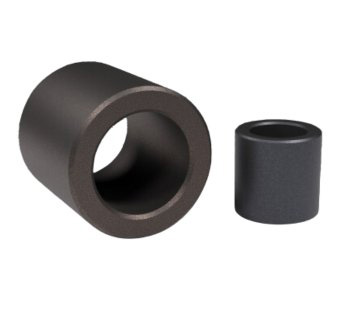
Bearings play a vital role in rotary joint performance. High-precision ball or jewel bearings allow smooth rotation and minimize friction. You see these bearings in high-performance rotary joints, where they support rapid movement and reduce wear. Standard models may use less precise bearings, which can increase friction and shorten service life.
| Design Feature | High-Performance Rotary Joints | Standard Models |
|---|---|---|
| Bearing Systems | High-precision ball or jewel bearings for smooth rotation | Standard bearings may be less precise |
Material selection
Metals
You often choose metals for rotary joint construction because they offer strength and durability. Stainless steel stands out for its resistance to rust and corrosion, which ensures long-term reliability. You also find alloy steel, carbon steel, aluminum alloys, and copper in rotary unions. These metals withstand harsh environments and operational stresses.
- Stainless steel plate
- High quality alloy steel
- Carbon steel
- Alloy copper
- Aluminum alloy profile
- Cast steel parts
- Nickel base corrosion resistant aluminum alloy
- Titanium
- Zirconium and zirconium aluminum alloy
The quality of these materials directly affects the service life and sealing ability of your rotary union.
Composites
Composites like carbon graphite and PTFE offer unique benefits. Carbon graphite handles high temperatures and provides durability. PTFE works well with chemicals and reduces friction, which helps your equipment operate smoothly. You use these materials when you need extra resistance to wear or chemical attack.
- Carbon graphite: Durable at high temperatures
- PTFE: Chemical resistance and low friction
- Mechanical seals: Stability for high-pressure systems
Choosing the right material ensures your rotary union can endure operational stresses and maintain performance.
Precision and tolerances
Precision and tight manufacturing tolerances set high-quality rotary unions apart. You benefit from CNC machining that delivers exact fits, which supports safety, motion accuracy, and sealing integrity. Superior rotary joints minimize wear and tear, extend machinery life, and prevent leaks or breakdowns. Advanced sealing mechanisms maintain operational integrity, even under demanding conditions.
| Evidence Description | Importance |
|---|---|
| Continuous operation without leaks or breakdowns | Reliability depends on precision and tolerances |
| Minimizes wear and tear on connected equipment | Extends the life of expensive machinery |
| Advanced sealing mechanisms handle high temperatures or pressures | Maintains operational integrity under various conditions |
| Tight CNC machining tolerances | Supports safety, accuracy, and repeatability |
Note: Precision in manufacturing ensures your rotary union performs reliably, especially in industries where accuracy and safety matter most.
Rotary joint selection
Choosing the right rotary joint for your machine can make a big difference in performance and reliability. You need to look at several important factors before making a decision. Each application has unique requirements, so you must match the joint to your operating conditions.
Application factors
When you select a rotary union, you should consider the following key factors:
| Factor | Description |
|---|---|
| Media Type | Check if the joint is compatible with the fluid or gas you plan to transfer, such as steam, hydraulic fluid, water, or air. |
| Pressure, Temperature, and Speed | Make sure the joint can handle your system’s operating pressure, temperature, and rotation speed. |
| Connection Size and Thread Type | Confirm that the joint fits your available space and matches your system’s connection requirements. |
| Installation Space | Ensure there is enough room for installation and future maintenance. |
| Seal Life | Choose seal materials that suit your media and will last under expected wear. |
Pressure and temperature
You must check the pressure and temperature ratings of each rotary union. High-pressure or high-temperature applications need joints built with strong materials and advanced seals. If you use a joint with a lower rating than your system requires, you risk leaks and equipment damage. Always match the joint’s specifications to your operating environment.
Rotation speed
Rotation speed affects the type of joint you need. Fast-moving machinery puts more stress on seals and bearings. You should select a joint designed for high-speed operation if your equipment rotates quickly. This choice helps prevent overheating and reduces wear.
Media compatibility
The fluid or gas you transfer through the joint can affect its lifespan. Some media, like steam or chemicals, require special seal materials to prevent corrosion or breakdown. You need to confirm that the joint’s seals and body materials are compatible with your media. This step protects your equipment and keeps your process safe.
Mistakes to avoid
Many users make common mistakes when selecting and installing rotary joints. You can avoid costly problems by learning from these errors:
- Improper installation: Always follow the manufacturer’s instructions. Proper alignment and correct tightening prevent leaks and damage.
- Inadequate lubrication: Use the recommended lubricant at the right intervals. This practice reduces wear and helps prevent leaks.
- Wrong pressure rating: Select a joint that matches your system’s pressure. Using a joint with a lower rating can cause leaks and poor performance.
- Ignoring maintenance: Set up a regular maintenance schedule. Inspect and clean the joint, and replace worn parts before they fail.
- Using wrong seals: Make sure the seals are compatible with your joint’s materials and operating conditions. The right seals keep your system running smoothly.
Tip: You can extend the life of your rotary union by choosing the correct model, installing it properly, and maintaining it regularly.
If you pay attention to these factors and avoid common mistakes, you will improve your machine’s reliability and efficiency. Careful selection and maintenance help you get the most out of your equipment.
Installation and maintenance
Installation tips
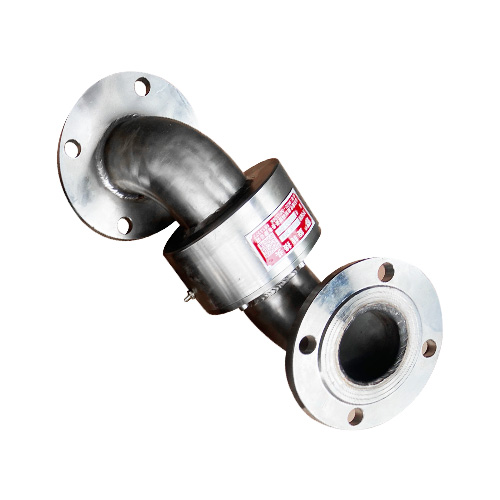
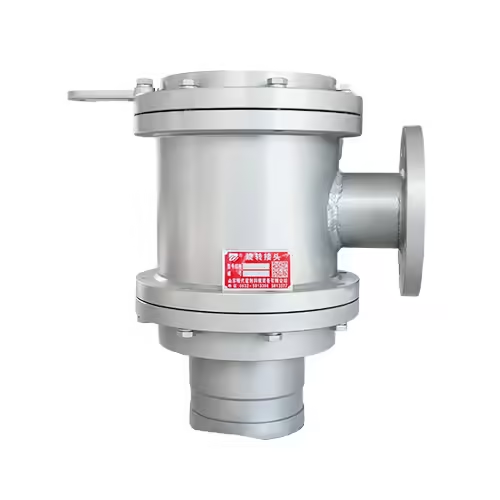
You set the foundation for reliable rotary joint performance during installation. Start by cleaning the rotary union drum and pipe interior. Removing foreign matter prevents premature wear and keeps your system running smoothly. Consider adding filters if your process requires extra protection against contaminants.
| Practice | Description |
|---|---|
| Alignment | Ensure alignment is within specified tolerances to prevent premature wear and leaks. |
| Torque | Apply torque according to manufacturer’s recommendations to avoid damaging seals and components. |
You should avoid overloading or disassembling the joint during installation. These actions can damage sensitive parts and shorten the lifespan of your equipment.
- Clean all surfaces before installation.
- Add filters for enhanced reliability.
- Avoid overloading or unnecessary disassembly.
Tip: Proper alignment and torque application help you prevent leaks and extend the life of your rotary union.
Maintenance routines
You keep your rotary joints working efficiently with regular maintenance. Cleaning is the first step. Disconnect supply lines and flush the joint with a compatible cleaner. This routine can prevent up to 80% of common failures.
- Cleaning: Remove debris and buildup by flushing the joint regularly.
- Lubrication: Apply lithium-based grease to bearings and seals. Monthly lubrication works well for low-speed joints.
- Inspection: Check pressure, temperature, and the surrounding environment. Early detection of issues saves you time and money.
Regular maintenance and timely servicing help you avoid sudden breakdowns. You protect your equipment and reduce costly repairs by following these routines.
Note: Consistent upkeep extends the lifespan of your rotary unions and keeps your production on track.
Troubleshooting
Rotary joints may develop issues over time. You can resolve most problems by following a systematic approach.
- Fluid leakage often results from worn gaskets or seals, misalignment, or loose connections.
- Interruptions in signals may indicate corroded or loose electrical connectors.
- Excessive wear points to deteriorating bearing surfaces or poor lubrication.
- Noise during operation usually signals worn bearings or misalignment.
- Reduced rotation speed can mean obstructions or lubrication problems.
- Temperature spikes may result from high friction or inadequate cooling.
Leak detection
You detect leaks by monitoring visible fluid around seals, checking for rising temperatures, and listening for unusual noises. Improper seal selection or misalignment during installation causes most leaks. Wear and tear on seals or bearings also leads to leakage, especially in high-pressure or high-temperature systems.
- Assembly problems can cause vibration and leaks.
- Impurities entering the joint increase wear.
- Exceeding rated pressure, temperature, or speed damages seals.
- Stress not relieved during installation may deform the joint.
- Monitor for visible leaks.
- Check for temperature increases.
- Listen for abnormal sounds.
Vibration issues
You notice vibration problems when assembly lacks sufficient concentricity or when the rotary union experiences abrasion or deformation. Unstable steam pressure and impurities on contact surfaces also contribute to vibration. Address these issues by inspecting alignment, relieving stress during installation, and maintaining clean operating conditions.
Tip: Early detection and correction of vibration issues prevent further damage and keep your machines running smoothly.
Real-world rotary joint use
Manufacturing
You see rotary joints at the heart of many manufacturing processes. These components help you maintain efficiency and reliability on your production line. For example, you can use high-pressure rotary joints to transfer hydraulic fluid in automated assembly systems. This setup ensures uninterrupted flow, even under demanding conditions. You benefit from robust designs that withstand harsh environments and reduce the risk of leaks.
| Feature | Benefit |
|---|---|
| Durable Design | Ensures long-lasting performance and reduces the frequency of maintenance. |
| Customizable Features | Allows for modifications based on specific production processes, enhancing operational efficiency. |
| Leak-proof Operation | Prevents fluid leakage, ensuring reliable and uninterrupted production. |
| Reduced Power Consumption | Lowers operational costs and enhances overall efficiency. |
| Quick Seal Replacements | Facilitates easy maintenance without disassembling the joint, minimizing downtime. |
You can rely on rotary joints for unmatched reliability and precision in critical operations. When you need to switch media quickly or handle high pressures, rotary unions give you the flexibility and safety you require. These features help you keep your machines running and your output consistent.
Food processing
You depend on rotary joints to meet strict hygiene and safety standards in food processing. These joints handle frequent cleaning and sterilization without losing performance. For example, you use rotary joints in bottling conveyors for products like jam and chocolate. They also play a role in cheese dough transfer, powder suction, and steam cleaning.
| Application | Description |
|---|---|
| Bottling rotating conveyor | Used for products like jam and chocolate |
| Cheese dough transfer | Efficient transfer of cheese dough |
| Powder suction | Suction of powdered materials |
| Filtration of thermal water | Used in processes involving thermal water with sulphur |
| Steam cleaning | Facilitates steam cleaning processes |
| Alcohol transfer | Safe transfer of alcohol |
| Manufacture of dog biscuits | Used in the production of dog food |
| Manufacture of chocolate bars | Integral in chocolate bar production |
| Chocolate sauce coating | Coating processes for chocolate sauces |
| Oven door operation | Mechanism for opening and closing oven doors |
You also find rotary joints in dairy barn automation and bottling lines. These applications require clean, efficient, and reliable fluid transfer. Rotary joints help you maintain product quality and meet food safety regulations.
Printing
You rely on rotary unions to keep printing presses running at high speed and quality. In a typical offset printing unit, you use four to six rotary couplings per color station. These couplings control fluid flow with precision, which ensures sharp and consistent print results. Rotary joints support high pressure and temperature, so your equipment maintains top performance.
| Feature | Contribution to Printing Operations |
|---|---|
| Reliable fluid transfer | Ensures continuous operation and minimizes downtime. |
| High pressure and temperature support | Maintains performance of printing equipment. |
| Multiple fluid channels | Optimizes space and reduces maintenance needs, enhancing efficiency. |
You can also use rotary ink-jet printers to eliminate plate making. This change saves you time and reduces costs, which boosts your production efficiency. Rotary joints help you achieve fast, reliable, and high-quality printing every day.
Future of rotary joints
New materials
You will see rotary joints evolve as new materials enter the market. Manufacturers now use advanced composites, plastics, and ceramics to improve performance and durability. These materials help you achieve lighter, stronger, and more efficient rotary joints. For example, lightweight composites extend the lifespan of your equipment and reduce energy consumption. Advanced seals and plastics allow rotary unions to operate at higher temperatures, which means you can use them in more demanding environments. Teflon™ and ceramics offer better thermal management and lower weight, making your machines run smoother and last longer.
Here is a table showing some of the latest materials used in rotary unions:
| Material Type | Description | Source |
|---|---|---|
| Lightweight Composites | Enhances performance and longevity of rotary joints. | MarketsandMarkets Blog |
| Advanced Seals | Improves durability and efficiency in rotary joint applications. | MarketsandMarkets Blog |
| Plastics | Expanded material options for higher operating temperatures. | History of the rotary joint |
| Teflon™ | Provides better thermal management in rotary joints. | History of the rotary joint |
| Ceramics | Offers higher durability and lower weight for improved performance. | Central Rotary Joints Market |
You benefit from these innovations because they help your machines handle tougher jobs, last longer, and require less maintenance. As technology advances, you can expect even more material breakthroughs that will shape the future of rotary joints.
Smart technology
You now have access to rotary joints that use smart technology. Engineers add sensors and artificial intelligence (AI) to rotary joints, which lets you monitor their condition in real time. IoT sensors collect data on temperature, pressure, and vibration. AI analyzes this data and predicts when maintenance is needed. This approach helps you avoid unexpected failures and costly downtime.
Smart rotary joints also improve design and manufacturing. AI helps engineers create better joint designs by simulating different conditions. You get rotary joints that fit your needs more precisely and perform better in your machines.
You will notice several trends shaping the rotary union market over the next five years:
- The market is expected to grow at a rate of over 6% through 2026.
- Technological innovations and automation drive demand for advanced rotary joints.
- Sectors like renewable energy, aerospace, and manufacturing lead the way in adopting new rotary joint technologies.
- Regulatory changes focus on safety and sustainability.
- You will see more efficient fluid transfer systems and smarter monitoring solutions.
You can prepare for the future by choosing rotary joints that use new materials and smart technology. These advances help you keep your machines running smoothly and efficiently, even as industry demands change.
You can boost machine performance by focusing on a few key secrets.
- Lubrication protects against wear and improves surface finish.
- Rotary joint selection impacts safety and energy efficiency.
- Custom solutions meet extreme operational needs and increase reliability.
Apply these insights to your equipment for smoother moves. If you face advanced challenges, consider consulting an expert or exploring specialized resources.
FAQ
How do you know which rotary joint fits your machine?
You check your machine’s pressure, temperature, and fluid type. You match these with the rotary joint’s specifications. You also measure the available space and connection size.
What causes leaks in rotary joints?
You often see leaks from worn seals, misalignment, or using the wrong joint for your fluid. You prevent leaks by regular inspection and proper installation.
How often should you maintain rotary joints?
You inspect and clean rotary joints monthly. You lubricate bearings and seals as recommended. You replace worn parts before failure to avoid downtime.
Can you use one rotary joint for multiple fluids?
You choose a multi-way rotary joint for this purpose. You transfer several fluids or gases through one connection. You simplify your piping and save space.
What materials work best for rotary unions?
You select stainless steel for strength and corrosion resistance. You use PTFE or carbon graphite for chemical resistance and low friction. You match materials to your operating environment.
How do you spot vibration problems in rotary joints?
You listen for unusual noises and feel for shaking. You check alignment and inspect for wear. You fix vibration by adjusting installation and replacing damaged parts.
Are smart rotary joints worth the investment?
You benefit from smart rotary unions with sensors. You monitor temperature, pressure, and vibration in real time. You reduce unexpected failures and improve machine reliability.
Do rotary joints work in food processing?
You use rotary joints in food processing for clean and safe fluid transfer. You choose joints with hygienic materials and easy cleaning features. You meet strict safety standards.
Latest News
Insights & Innovation
