



Daftar isi
Ketika datang ke proses industri berkecepatan tinggi, memahami peran a sambungan putar kecepatan tinggi uap sangat penting. Perangkat ini memungkinkan transfer uap ke peralatan yang berputar, memastikan pasokan energi yang konsisten dan menjaga efisiensi produksi. Jika Anda bertanggung jawab untuk memelihara atau meningkatkan mesin, panduan ini akan memberi Anda wawasan yang dapat ditindaklanjuti dalam memilih, memasang, dan memelihara sambungan putar berkecepatan tinggi untuk memaksimalkan kinerja dan meminimalkan waktu henti.
Apa Itu Sambungan Rotary Kecepatan Tinggi Uap?
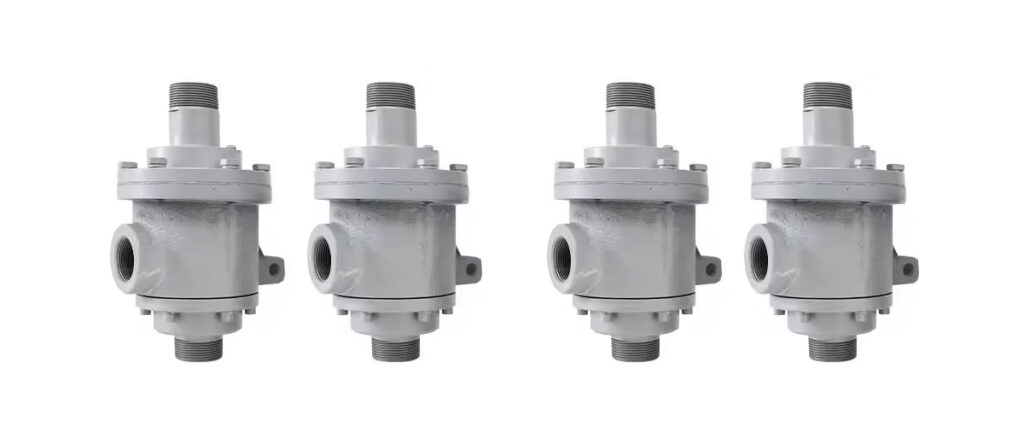
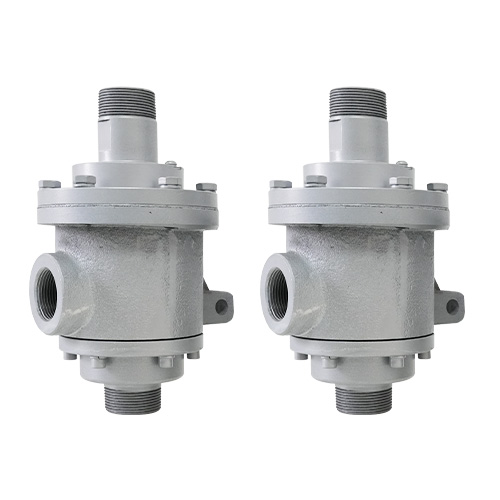
Sambungan putar kecepatan tinggi uap adalah perangkat mekanis yang memungkinkan transfer uap dari sumber stasioner ke komponen yang berputar. Tidak seperti sistem perpipaan kaku, ini memungkinkan rotasi sambil mempertahankan aliran uap bertekanan tinggi tanpa kebocoran.
Aspek kunci yang harus Anda pahami:
- Mendukung kecepatan putaran yang melebihi sambungan putar standar.
- Mempertahankan integritas segel pada suhu dan tekanan tinggi.
- Mencegah downtime yang disebabkan oleh kebocoran atau kehilangan energi.
Memahami perangkat ini sangat penting jika Anda bertujuan untuk mengurangi biaya pemeliharaan dan memastikan keandalan operasional pada peralatan berkecepatan tinggi.
Komponen Inti dan Fungsinya
Kinerja sambungan putar kecepatan tinggi uap tergantung pada komponennya:
- Perumahan: Sambungan tetap ke sumber uap.
- Rotor atau Poros: Memindahkan uap sambil berputar bersama peralatan.
- Anjing laut: PTFE atau grafit segel digunakan untuk menjaga tekanan dan mencegah kebocoran.
- Bantalan: Biarkan rotasi halus pada kecepatan tinggi dengan gesekan minimal.
Memilih sambungan dengan komponen berkualitas tinggi memastikan umur panjang dan kinerja yang konsisten dalam kondisi kecepatan tinggi dan suhu tinggi.
Aplikasi dalam Proses Industri
Anda akan menemukan uap sambungan putar kecepatan tinggi di berbagai industri:
- Pembuatan Kertas: Pengiriman uap ke silinder pengeringan berkecepatan tinggi.
- Produksi Tekstil: Kalender dan stenter berputar memerlukan kontrol uap yang tepat.
- Pengolahan Makanan: Proses sterilisasi dan pengeringan di jalur berkecepatan tinggi.
- Tanaman Kimia: Mentransfer media yang dipanaskan dengan aman melalui reaktor yang berputar.
Studi Kasus: Di fasilitas produksi kertas, sambungan putar tradisional gagal mempertahankan tekanan uap yang konsisten pada silinder pengeringan yang bergerak cepat. Setelah meningkatkan ke sambungan putar kecepatan tinggi uap khusus dengan segel logam-ke-logam, pabrik mengamati peningkatan efisiensi pengeringan 25% dan pengurangan 40% dalam waktu henti yang tidak direncanakan.
Kriteria Pemilihan Kunci
Memilih sambungan putar yang tepat memerlukan pertimbangan yang cermat:
| Faktor | Pentingnya | Rekomendasi |
|---|---|---|
| Peringkat Tekanan Uap | Memastikan sambungan tahan terhadap tekanan operasional | Pilih sambungan dengan nilai 20 ¡ 30% di atas tekanan operasi maks |
| Kecepatan Rotasi | Menentukan seal dan bearing wear | Verifikasi peringkat rpm maksimum pabrikan |
| Tahan Suhu | Menghindari kegagalan segel pada uap suhu tinggi | Segel grafit atau logam direkomendasikan untuk ≥350 °C |
| Kompatibilitas Material | Mencegah korosi dan penskalaan | Stainless steel atau paduan bermutu tinggi untuk umur panjang |
| Jadwal Pemeliharaan | Dampak waktu aktif operasional | Pilih sambungan dengan interval perawatan yang dapat diprediksi |
Faktor-faktor ini memastikan bahwa sambungan tidak hanya sesuai dengan sistem Anda tetapi juga beroperasi secara andal dalam jangka waktu lama.
Praktik Terbaik Instalasi
Instalasi yang tepat sangat penting untuk kinerja:
- Penyelarasan: Sambungan yang tidak sejajar menyebabkan keausan dan kebocoran segel.
- Pengaturan Torsi: Kencangkan baut sesuai rekomendasi pabrikan.
- Pra-Pelumasan: Bantalan mungkin memerlukan pelumasan sebelum startup.
- Pemantauan Startup: Periksa getaran atau kebocoran uap selama operasi awal.
Mengikuti langkah-langkah ini akan memperpanjang umur sambungan putar Anda dan mengurangi risiko operasional.
Pemeliharaan dan Pemecahan Masalah
Inspeksi dan pemeliharaan rutin meningkatkan keandalan:
- Periksa segel dan bantalan untuk dipakai setiap 3 ¡6 bulan.
- Bersihkan akumulasi endapan untuk menghindari korosi.
- Ganti komponen yang aus segera untuk mencegah kegagalan berjenjang.
Contoh: Sebuah jalur pengolahan makanan sering mengalami kebocoran uap karena penskalaan di dalam sendi putar. Dengan menerapkan rutinitas pemeliharaan triwulanan, fasilitas memperpanjang umur sendi 18 bulan dan mengurangi kehilangan energi.
Membandingkan Opsi Rotary Joint
Memahami desain yang berbeda membantu Anda memilih yang paling cocok:
| Tipe Desain | Keuntungan | Terbaik Untuk |
|---|---|---|
| Jalur Tunggal | Sederhana, biaya lebih rendah | Operasi bertekanan rendah dan berkecepatan rendah |
| Lintasan Ganda | Memungkinkan suplai dan pengembalian secara simultan | Aplikasi berkecepatan tinggi dan bertekanan tinggi |
| Logam-Disegel | Tahan suhu dan tekanan tinggi | Uap dan cairan korosif |
| PTFE-Segel | Gesekan dan pemeliharaan minimal | Aplikasi suhu lebih rendah atau kecepatan sedang |
Memilih desain yang tepat berdasarkan kondisi operasional memastikan efisiensi dan meminimalkan keausan.
Inovasi Terbaru Steam Rotary Joint
Peningkatan teknologi membantu operator seperti Anda mendapatkan nilai lebih:
- Segel Berkinerja Tinggi: Segel grafit dan komposit mengurangi gesekan dan memperpanjang umur.
- Bantalan yang Ditingkatkan: Aktifkan rotasi halus pada rpm yang lebih tinggi.
- Paduan Tahan Korosi: Meningkatkan umur panjang dalam aplikasi uap dan kimia.
- Sensor Digital: Memberikan pemantauan aliran, suhu, dan tekanan secara real-time.
Memanfaatkan inovasi ini memungkinkan Anda mengurangi waktu henti dan mengoptimalkan operasi berkecepatan tinggi Anda.
Kesimpulan
Memilih sambungan putar kecepatan tinggi uap yang tepat dapat secara signifikan meningkatkan kinerja sistem Anda, mengurangi waktu henti, dan memperpanjang masa pakai peralatan. Dengan mengevaluasi persyaratan tekanan, kecepatan, material, dan segel, dan bermitra dengan pemasok berpengalaman, Anda dapat memastikan operasi yang andal dalam lingkungan industri yang menuntut.
Jika Anda ingin meningkatkan mesin Anda dengan sambungan putar berkinerja tinggi, hubungi Modern Sealing hari ini untuk konsultasi ahli dan solusi yang disesuaikan dengan kebutuhan produksi Anda.
Tanya Jawab Umum
Bagaimana uap kecepatan tinggi sambungan putar berbeda dengan rotary joint standar?
Ini dirancang untuk kecepatan putaran yang lebih tinggi dan dapat menangani uap suhu tinggi tanpa kebocoran.
Bisakah saya menggunakan sambungan putar untuk cairan lain selain uap?
Ya, tetapi Anda harus memeriksa kompatibilitas material dan segel dengan cairan tertentu.
Seberapa sering saya harus memeriksa sambungan putar uap berkecepatan tinggi?
Pemeriksaan rutin setiap 3 ¡6 bulan dianjurkan, tergantung pada kondisi operasi.
Apakah sambungan putar uap berkecepatan tinggiS dapat disesuaikan?
Banyak pemasok menawarkan penyesuaian dalam jenis segel, bahan, dan ukuran untuk aplikasi tertentu.
Apa penyebab umum kegagalan pada sendi ini?
Ketidakselarasan, segel yang aus, pemasangan yang tidak tepat, dan kerak dari pengotor uap adalah masalah yang paling umum.
Terbaru Berita
Wawasan & Inovasi
