



Selamat Datang di blog saya!
Sebelum kita menyelami kontennya, jika Anda tertarik dengan produk kami atau memiliki pertanyaan, silakan kunjungi Hubungi kami halaman di situs web. Tim kami siap membantu Anda dengan pertanyaan, pesanan, atau dukungan apa pun yang Anda butuhkan.
Sekarang, mari kita mulai perjalanan kita bersama. Semoga Anda menemukan konten di sini yang berwawasan, menarik, dan berharga..
Daftar isi
Perkenalan
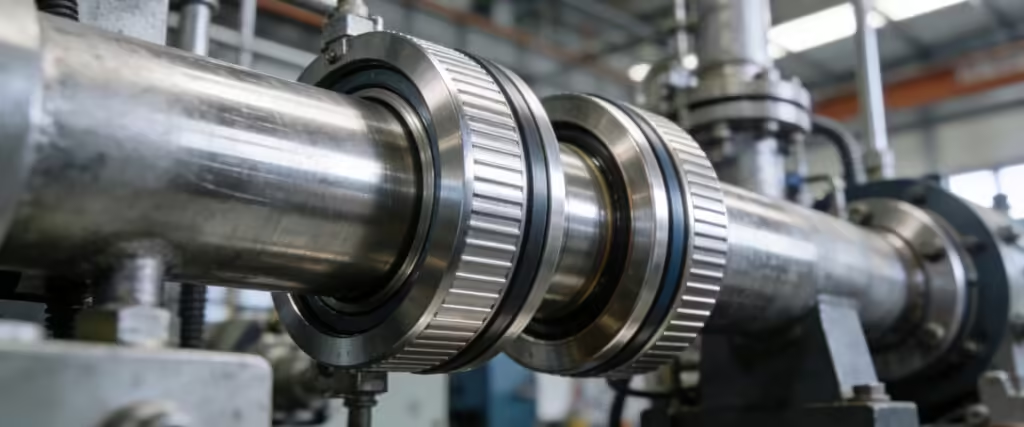
Sistem industri modern menjadi lebih kompleks, beroperasi di bawah tekanan yang lebih tinggi, rentang suhu yang lebih luas, dan kondisi media yang lebih menuntut daripada sebelumnya. Dalam lingkungan ini, solusi penyegelan industri memainkan peran penting dalam menjaga keselamatan, efisiensi, dan umur panjang peralatan. Kegagalan penyegelan tunggal dapat menyebabkan kebocoran, downtime, kehilangan produk, atau bahkan insiden keselamatan. Itulah sebabnya lebih banyak insinyur dan tim pemeliharaan mengalihkan fokus mereka dari komponen standar ke solusi penyegelan yang dipilih dengan cermat dan disesuaikan yang dirancang untuk kondisi operasi nyata.
Artikel ini mengeksplorasi cara kerja solusi penyegelan industri, mengapa penyesuaian penting, dan apa yang harus Anda pertimbangkan ketika memilih pendekatan penyegelan yang tepat untuk sistem yang kompleks.
Memahami Solusi Penyegelan Industri
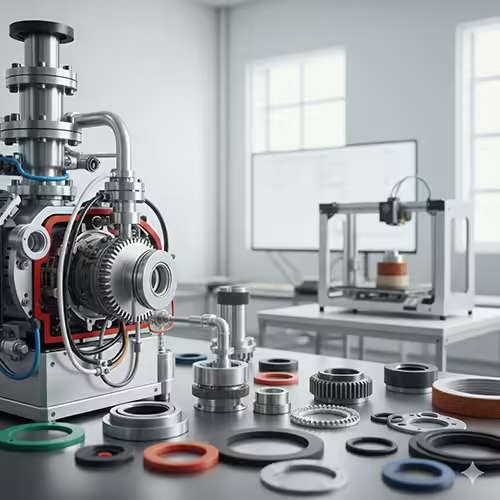
Solusi penyegelan industri dirancang untuk mencegah kebocoran cairan, gas, atau kontaminan antara komponen mekanis. Mereka juga membantu mengisolasi zona tekanan, mengurangi gesekan, dan melindungi peralatan dari polutan eksternal. Elemen penyegelan umum termasuk segel putar, segel mekanis, cincin-O, gasket, bellow logam, dan rakitan penyegelan yang terintegrasi ke dalam sistem berputar atau statis.
Pada intinya, segel industri melayani beberapa fungsi penting. Mereka menjaga integritas sistem di bawah tekanan, mendukung operasi terus menerus, dan melindungi komponen sensitif dari keausan dan korosi. Dalam mesin yang kompleks dengan bagian yang berputar atau bergerak, solusi penyegelan harus menyeimbangkan kontrol kebocoran yang ketat dengan ketahanan minimal dan masa pakai yang lama.
Mengapa Solusi Khusus Sangat Penting
Segel standar dirancang untuk kondisi umum, tetapi sistem industri dunia nyata jarang beroperasi di bawah parameter “standar”. Variasi suhu, siklus tekanan, paparan bahan kimia, getaran, dan ketidaksejajaran dapat dengan cepat mendorong segel yang siap pakai melampaui batasnya.
Solusi penyegelan industri khusus mengatasi kesenjangan ini dengan mencocokkan desain segel dengan kondisi operasi aktual. Geometri yang disesuaikan, pemilihan material, dan teknologi penyegelan membantu mengurangi kegagalan dini. Data lapangan dari laporan pemeliharaan industri secara konsisten menunjukkan bahwa pemilihan segel yang tidak tepat adalah penyebab utama downtime yang tidak direncanakan. Dalam banyak kasus, beralih ke solusi penyegelan yang disesuaikan secara signifikan memperpanjang interval perawatan dan meningkatkan keandalan sistem secara keseluruhan.
Pertimbangan Material dan Teknologi
Pemilihan bahan duduk di jantung solusi penyegelan industri yang efektif. Bahan logam menawarkan kekuatan tinggi dan tahan suhu, sementara elastomer memberikan fleksibilitas dan peredam getaran. Polimer canggih seperti PTFE memberikan ketahanan kimia yang luar biasa dan gesekan rendah.
Teknologi penyegelan juga telah berevolusi. Sistem modern sering menggabungkan beberapa prinsip penyegelan, seperti segel berenergi pegas, bellow logam, atau struktur komposit, untuk menangani kondisi dinamis. Dalam peralatan berputar, desain penyegelan canggih mengurangi keausan sambil mempertahankan kontak yang konsisten di bawah beban yang berfluktuasi. Memilih kombinasi material dan teknologi yang benar memastikan segel bekerja dengan andal selama siklus servis yang panjang.
Memilih Solusi Penyegelan Industri yang Tepat
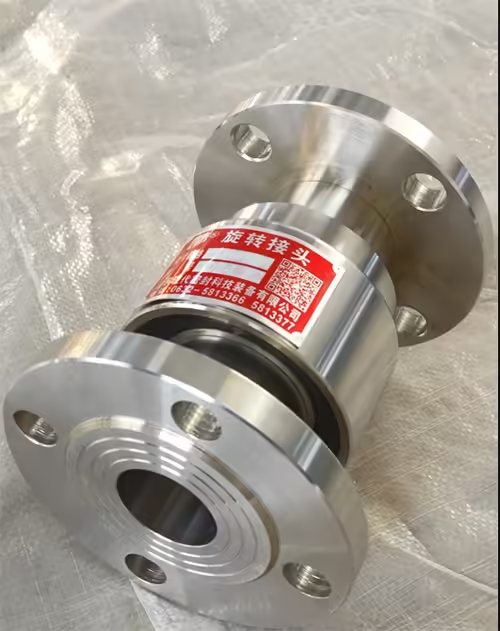
Memilih solusi penyegelan yang tepat dimulai dengan memahami aplikasi Anda. Faktor kunci termasuk tekanan operasi, kisaran suhu, kecepatan poros, jenis media, dan paparan lingkungan. Sistem dinamis mungkin memerlukan segel yang mentolerir gerakan tanpa keausan berlebihan, sementara sistem statis berfokus pada stabilitas kompresi jangka panjang.
Insinyur sering menemukan nilai dalam memetakan kondisi operasi di seluruh skenario normal, startup, dan abnormal. Pendekatan ini membantu mengidentifikasi titik stres di mana kegagalan penyegelan paling mungkin terjadi. Mencocokkan karakteristik segel dengan kondisi nyata mengurangi risiko kebocoran dan penutupan yang tidak terduga.
Pemeliharaan dan Umur Panjang
Bahkan solusi penyegelan industri terbaik mendapat manfaat dari perawatan yang tepat. Inspeksi rutin membantu mendeteksi tanda-tanda awal keausan, degradasi material, atau ketidaksejajaran. Kebocoran visual, perubahan suhu, atau getaran abnormal dapat menandakan masalah kinerja segel.
Strategi pemeliharaan prediktif, didukung oleh data operasional, menunjukkan hasil yang kuat dalam memperpanjang umur segel. Studi pemeliharaan industri menunjukkan bahwa penggantian segel proaktif berdasarkan kondisi daripada kegagalan dapat mengurangi peristiwa downtime dengan margin yang signifikan. Segel yang dirancang dengan baik dikombinasikan dengan pemasangan dan pemantauan yang tepat memberikan umur operasional terpanjang.
Efisiensi Biaya Solusi Penyegelan Kustom
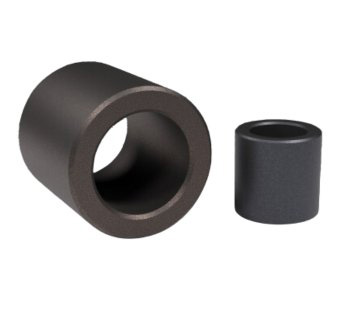
Pada pandangan pertama, solusi penyegelan industri khusus mungkin tampak lebih mahal daripada opsi standar. Namun, analisis biaya sering kali menceritakan kisah yang berbeda. Pengurangan waktu henti, penggantian yang lebih sedikit, dan peningkatan efisiensi sistem biasanya mengimbangi investasi awal.
Data operasional dari laporan manajemen aset industri menyoroti bahwa downtime yang tidak direncanakan adalah salah satu mode kegagalan paling mahal di lingkungan produksi. Segel khusus membantu menstabilkan kinerja, menjadikan biaya siklus hidup daripada harga pembelian metrik yang lebih relevan saat mengevaluasi strategi penyegelan.
Aplikasi Khusus Industri
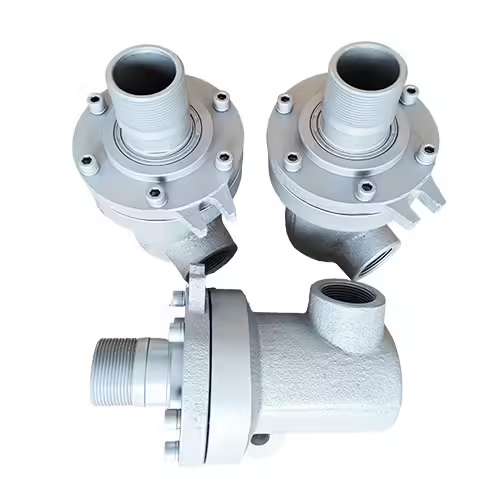
Industri yang berbeda memaksakan tuntutan yang berbeda pada sistem penyegelan. Proses suhu tinggi membutuhkan bahan yang tahan terhadap degradasi termal. Sistem yang terpapar media agresif menuntut ketahanan korosi yang sangat baik. Peralatan presisi mendapat manfaat dari penyegelan gesekan rendah untuk menjaga akurasi dan konsistensi.
Dengan menyesuaikan solusi penyegelan industri untuk setiap tantangan aplikasi, para insinyur mencapai kontrol yang lebih baik, peningkatan keselamatan, dan masa pakai peralatan yang lebih lama. Kustomisasi memungkinkan kinerja penyegelan berkembang dengan desain peralatan daripada membatasi potensi sistem.
Perbandingan Bahan Penyegel Industri Umum
| Jenis Bahan | Tahan Suhu | Kemampuan Tekanan | Ketahanan Kimia | Aplikasi Umum |
|---|---|---|---|---|
| Berbasis elastomer | Rendah hingga sedang | Sedang | Terbatas pada media tertentu | Penyegelan statis untuk keperluan umum |
| Berbasis PTFE | Rentang lebar | Sedang hingga tinggi | Bagus sekali | Sistem kimia dan kemurnian tinggi |
| Berbasis logam | Sangat tinggi | Sangat tinggi | Baik dengan pilihan paduan yang tepat | Sistem suhu dan tekanan tinggi |
| Segel komposit | Rentang lebar | Tinggi | Tinggi | Aplikasi dinamis dan berputar |
Perbandingan ini menyoroti mengapa tidak ada solusi tunggal yang cocok untuk semua skenario dan memperkuat pentingnya pemilihan aplikasi yang spesifik.
Kesimpulan
Solusi penyegelan industri adalah elemen dasar dari sistem industri yang andal dan efisien. Ketika peralatan menjadi lebih kompleks dan tuntutan operasi meningkat, strategi penyegelan yang disesuaikan menawarkan keuntungan yang jelas. Dengan mempertimbangkan kondisi operasi, kinerja material, persyaratan pemeliharaan, dan biaya siklus hidup, Anda dapat memilih solusi penyegelan yang memberikan nilai jangka panjang dan kinerja yang stabil.
Jika Anda meninjau sistem yang ada atau merencanakan proyek baru, melihat lebih dekat pendekatan penyegelan Anda dapat mengungkap peluang untuk mengurangi risiko, meningkatkan waktu kerja, dan memperpanjang masa pakai peralatan. Konsultasi spesialis penyegelan di awal proses desain atau pemeliharaan sering kali menghasilkan hasil yang lebih baik dan lebih sedikit kejutan dari waktu ke waktu.
Tanya Jawab Umum
Apa yang solusi penyegelan industri digunakan untuk?
Solusi penyegelan industri digunakan untuk mencegah kebocoran, mengontrol tekanan, dan melindungi sistem mekanis dari kontaminasi, keausan, dan paparan lingkungan.
Mengapa solusi penyegelan khusus penting?
Solusi khusus memastikan segel sesuai dengan kondisi pengoperasian sebenarnya, mengurangi kegagalan yang disebabkan oleh suhu ekstrem, fluktuasi tekanan, atau paparan bahan kimia.
Bagaimana saya memilih bahan penyegel yang tepat?
Pemilihan material tergantung pada suhu, tekanan, kompatibilitas media, dan apakah aplikasi statis atau dinamis.
Seberapa sering segel industri harus diperiksa
Frekuensi inspeksi tergantung pada kondisi operasi, tetapi pemeriksaan rutin selama pemeliharaan terjadwal membantu mengidentifikasi tanda-tanda awal keausan.
Dapat solusi penyegelan yang lebih baik mengurangi biaya perawatan
Ya, solusi penyegelan yang dirancang dengan baik dan dipilih dengan benar sering kali mengurangi waktu henti, memperpanjang interval servis, dan menurunkan biaya siklus hidup secara keseluruhan.
Terbaru Berita
Wawasan & Inovasi
