



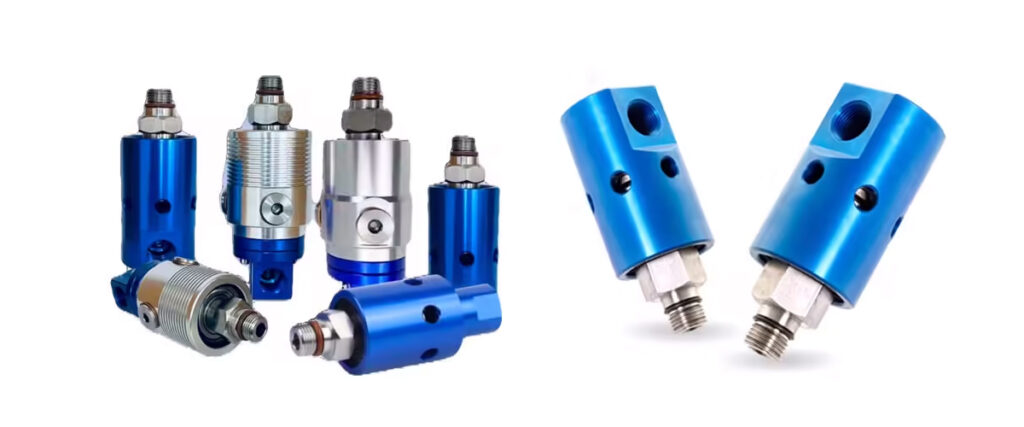
In the high-precision world of modern CNC machining, the difference between a perfect surface finish and a scrapped workpiece often comes down to how effectively you manage heat at the cutting edge. As spindle speeds push beyond 15,000 or even 20,000 RPM, traditional external cooling nozzles simply cannot keep up with the centrifugal forces that push coolant away from the tool. This is where the Sambungan putar outlet air spindel CNC becomes the most critical component in your machine’s fluid delivery architecture. Choosing the right one is not just a maintenance decision; it is a strategic move to protect your spindle’s integrity and maximize your tooling investment.
Daftar isi
Understanding the Dynamics of High-Speed Spindle Rotation
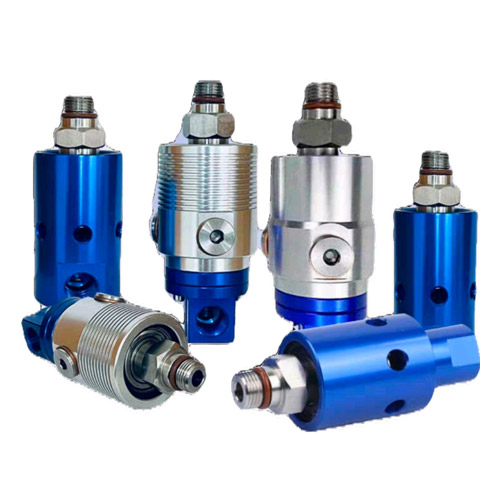
When you operate at high speeds, every gram of weight and every micron of misalignment is magnified. A CNC spindle water outlet rotary joint must act as a seamless bridge between a stationary coolant supply and a rapidly spinning spindle shaft. At speeds reaching 20,000 RPM, even a minor imbalance in the rotary joint can create harmonic resonances. These vibrations travel through the spindle, leading to chatter marks on the workpiece and accelerated wear on the spindle bearings.
Engineering reports on high-speed rotating unions suggest that dynamic balancing is the silent hero of spindle longevity. A high-quality joint is designed to maintain a stable center of gravity throughout its rotational cycle. For operators, this means a quieter machine and a more consistent machining process. When evaluating a joint, you must look for designs that prioritize low rotational inertia, ensuring that the motor does not have to work harder just to overcome the friction of the cooling interface.
Critical Material Selection: Ceramic vs. Tungsten Carbide Seals
The heart of any CNC spindle water outlet rotary joint is its sealing technology. Because these joints often handle high-pressure coolants mixed with abrasive metal fines, the seal faces are subjected to extreme mechanical stress. Historically, standard industrial seals failed quickly in these environments, leading to the adoption of advanced hard-face materials like silicon carbide and tungsten carbide.
Tungsten carbide offers incredible toughness and resistance to thermal shock, making it ideal for general-purpose machining where pressure spikes are common. However, for the highest speeds, many engineers prefer silicon carbide or specialized ceramic seals due to their superior hardness and lower friction coefficients. According to technical data on tribology in rotary unions, ceramic seals generate significantly less heat during high-speed contact, which prevents the coolant from boiling at the seal interface—a common cause of premature seal failure known as “dry running.” If your process involves frequent tool changes where the coolant is momentarily turned off while the spindle is still spinning, choosing a seal with dry-run capabilities is essential.
The Role of High-Precision Bearings in Spindle Integrity
A rotary joint is only as stable as the bearings that support it. In the context of a CNC spindle water outlet rotary joint, the bearings must manage the axial load created by high hydraulic pressure and the radial load from high-speed rotation. Using imported high-precision bearings is a non-negotiable standard for professional-grade joints.
These precision bearings ensure that the internal spool remains perfectly concentric with the housing. Without this precision, the seal faces would tilt slightly, creating a gap that allows high-pressure coolant to escape into the spindle housing. If coolant enters the main spindle bearings, it can wash away the lubrication and lead to a catastrophic spindle seize—a repair that can cost thousands of dollars. By investing in a joint with superior bearing support, you are essentially buying insurance for your machine’s most expensive component.
Matching Pressure Ratings to Your Machining Requirements
Coolant pressure is a double-edged sword. Higher pressure, often ranging from 20 Bar to 70 Bar (approx. 300 to 1000 PSI), is necessary for deep hole drilling and clearing chips from tight pockets. However, higher pressure also exerts more force on the rotary joint’s internal seals. You must ensure that the CNC spindle water outlet rotary joint you select is rated for your pump’s maximum output.
If you are performing high-speed aluminum milling, you might prioritize flow rate over extreme pressure. Conversely, for stainless steel or titanium drilling, pressure is king. Based on industrial fluid power standards, it is recommended to choose a joint with a pressure rating at least 15 percent higher than your actual operating pressure. This safety margin accounts for the pressure spikes that occur when the coolant pump starts or when a tool becomes momentarily clogged with chips.
Custom Housing Materials: Aluminum Alloy vs. Stainless Steel
The environment inside a CNC machine is aggressive. Coolants are often chemically active, and the air is filled with metal dust and moisture. This makes the housing material of your CNC spindle water outlet rotary joint a vital consideration. Most professional manufacturers offer a choice between aluminum alloy and stainless steel.
Aluminum alloy housings are favored for their lightweight properties, which minimize the added mass on the spindle assembly. This is particularly important for high-speed tapping centers where the spindle must accelerate and decelerate rapidly. On the other hand, stainless steel provides unmatched corrosion resistance and structural rigidity. If you are using specialized or highly acidic coolants, stainless steel is often the only viable long-term solution. Customization allows you to balance weight and durability to match the specific kinematics of your machine tool.
Advanced Surface Treatments for Industrial Durability
Beyond the base material, the surface treatment of the joint determines how it stands up to the “sandblasting” effect of metal chips and the corrosive nature of synthetic coolants. Full-body electroplating or hard anodizing are standard treatments that provide a protective skin for the joint.
Anodizing, specifically for aluminum housings, creates a sapphire-hard surface layer that is nearly impossible to scratch. This prevents the small metal particles floating in the coolant mist from pitting the surface of the joint. Electroplating, such as nickel or chrome, offers a smooth finish that sheds coolant and prevents the buildup of “tramp oil” and grime. These treatments aren’t just for looks; they keep the interface clean and facilitate easier removal during maintenance intervals.
Technical Specifications and Compatibility Comparison
When comparing different models of the CNC spindle water outlet rotary joint, a technical parameters table is the most efficient way to evaluate performance. Below is a representative specification guide for high-performance units.
| Spesifikasi | Standard Performance | High-Speed Performance | Industrial Benefit |
| Kecepatan Maksimum | 10,000 RPM | 20,000+ RPM | Supports high-speed machining centers |
| Tekanan Maksimum | 40 Bar (580 PSI) | 70+ Bar (1000+ PSI) | Enables deep-hole and high-feed drilling |
| Bahan Segel | Tungsten Carbide | Silicon Carbide / Ceramic | Long-term wear and heat resistance |
| Jenis Bantalan | Standard Precision | Imported Ultra-High Precision | Minimizes vibration and spindle wear |
| Bahan Perumahan | Aluminum Alloy | Stainless Steel / Custom Alloy | Balances weight and corrosion resistance |
| Kompatibilitas Media | Water-based Coolant | Oil/MQL/Water-based | Versatile for various machining types |
| Surface Finish | Standard Anodizing | Full-Body Electroplating | Prevents chemical erosion and rust |
| Jenis Pemasangan | Flange / Threaded | OEM Specific / Custom | Ensures perfect fit with existing spindles |
Signs of Wear and Troubleshooting Common Issues
Even the best CNC spindle water outlet rotary joint will eventually require service. The key to preventing downtime is knowing what to look for before the joint fails completely. The most common sign of trouble is an increase in “weepage.” While many joints have a small drain port to allow for a tiny amount of bypass during startup, a constant stream of coolant from this port indicates that the seals are worn.
Another red flag is a change in the acoustic signature of the spindle. If you hear a high-pitched whine or feel an unusual vibration coming from the rear of the spindle where the joint is mounted, the bearings may be failing. Research into machine tool maintenance suggests that 70 percent of rotary joint failures could be avoided if operators performed a simple visual check of the drain lines once per shift. Catching a leak early means you can replace a seal kit rather than having to replace the entire unit.
Maximizing ROI: Why Quality Trumps Initial Cost in Sourcing
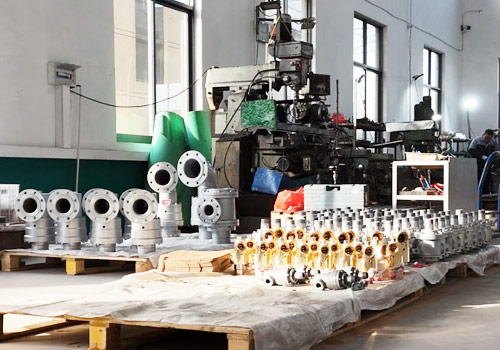
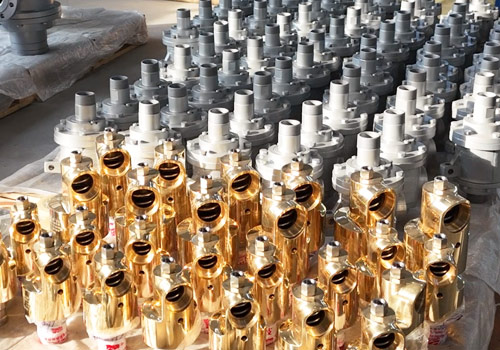
In a environment, the “cheap” option is often the most expensive in the long run. A low-quality CNC spindle water outlet rotary joint might save a few hundred dollars today, but if it fails and floods your spindle with coolant, the resulting repair bill could exceed ten thousand dollars. The true return on investment (ROI) is found in reliability.
A high-quality joint ensures consistent coolant pressure, which directly translates to longer tool life. When your drills and end mills stay cool, they stay sharp longer, reducing your monthly tooling spend. Furthermore, a stable joint allows you to run at higher feeds and speeds with confidence, increasing the overall throughput of your shop. When you source your components, look for manufacturers who provide detailed technical reports and have a proven track record in high-speed applications.
Kesimpulan
Selecting the right CNC spindle water outlet rotary joint requires a deep understanding of your machine’s operational limits and your specific machining goals. By focusing on high-speed stability, aerospace-grade sealing materials, and precision bearing support, you can ensure that your cooling system is an asset rather than a liability. Whether you are upgrading an existing machine or specifying components for a new OEM project, prioritizing technical excellence will always yield the best results for your production line.
Tanya Jawab Umum
Apa fungsi utama dari sebuah Sambungan putar outlet air spindel CNC?
The CNC spindle water outlet rotary joint acts as a high-speed mechanical seal that connects a stationary coolant supply to a rotating spindle. It enables “center-water” cooling, allowing high-pressure coolant to pass directly through the spindle and the cutting tool, which is essential for deep-hole drilling and high-speed milling.
Why is balancing critical for a rotary joint operating at 20,000 RPM?
At ultra-high speeds like 20,000 RPM, any slight imbalance creates centrifugal forces that lead to vibration. A precision-balanced CNC spindle water outlet rotary joint minimizes harmonic resonance, protecting the main spindle bearings from premature wear and ensuring a superior surface finish on the machined parts.
What are the advantages of silicon carbide or ceramic seals over standard seals?
Silicon carbide and ceramic materials offer extreme hardness and low friction coefficients. In a CNC spindle water outlet rotary joint, these materials resist the abrasive nature of metal chips in the coolant and handle the heat generated by high-speed rotation, preventing seal deformation and catastrophic leakage.
Can these rotary joints handle dry running if the coolant is interrupted?
High-end CNC spindle water outlet rotary joints are often designed with “dry-run” capable seals. This technology allows the seal faces to remain in contact without liquid lubrication for short periods during tool changes or coolant cycles, preventing the seals from cracking or burning out when the fluid is momentarily absent.
How do I know when it is time to replace my spindle rotary joint?
The most common indicator is excessive leakage from the built-in drain port. If you notice a steady stream of coolant rather than occasional moisture, or if you detect unusual heat and noise from the rear of the spindle, the seals or high-precision bearings are likely reaching the end of their service life and require maintenance.
Need Help Choosing the Right CNC Spindle Water Outlet Rotary Joint?
If you are unsure about which rotary joint model or sealing material is best for your high-speed machining requirements, our technical experts are here to provide the answers. Hubungi kami today for a personalized consultation to ensure your spindle cooling system is optimized for maximum precision and longevity. Don’t risk expensive spindle downtime—get in touch now to protect your equipment and enhance your production efficiency!
Terbaru Berita
Wawasan & Inovasi
