




Daftar isi
When you’re managing high-pressure systems, ensuring seamless fluid transfer is critical. The sambungan rotary pipa plays a central role in maintaining operational efficiency and preventing leaks, which can cause downtime or even equipment damage. In this guide, we’ll explore how to select the right rotary joint for high-pressure applications, provide practical examples, and offer maintenance tips that will help your system perform optimally.
Understanding Pipe Rotary Joints
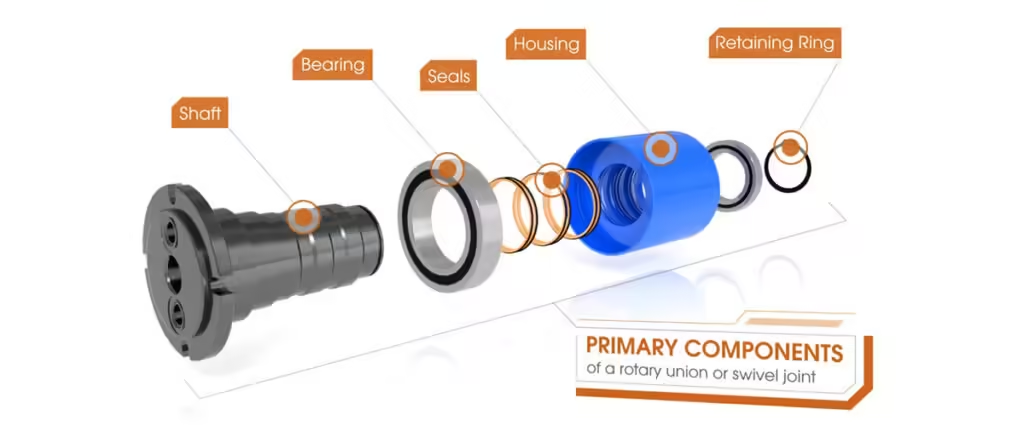
A pipe rotary joint is a mechanical device designed to transfer fluids between stationary and rotating equipment. It ensures that liquids, gases, or steam can flow without leakage while the connected machinery is in motion. High-pressure environments introduce extra stress, requiring the joint to withstand both elevated pressures and temperatures.
Key components include the rotor, housing, and seal assembly. The seal is critical for performance, especially under high-pressure scenarios where even minor leaks can escalate into significant operational issues. According to industrial fluid mechanics studies, over 70% of rotary joint failures are seal-related, making proper selection crucial.
Types of Pipe Rotary Joints
Understanding the different types of pipe rotary joints is essential for proper selection:
- Single-Passage Joints – Ideal for simple fluid transfer where only one media needs to flow.
- Double-Passage Joints – Allow two separate fluids or circuits to flow simultaneously, useful for complex systems.
- Material-Specific Joints – Stainless steel, alloys, and PTFE-lined designs cater to corrosive or chemically aggressive fluids.
- Application-Specific Joints – Steam, hydraulic, and chemical joints are engineered to withstand specific temperature and pressure ranges.
Each type has distinct advantages depending on the application. For instance, double-passage designs are frequently used in thermal oil systems, where simultaneous heating and return flows are required.
Key Factors for High-Pressure Applications
Selecting a rotary joint for high-pressure systems involves careful evaluation:
- Maximum Operating Pressure – Always check the rated pressure and incorporate a safety margin.
- Toleransi Suhu – High-pressure fluids often mean high temperatures, requiring joints with compatible seals and materials.
- Kompatibilitas Cairan – Ensure the joint material resists chemical interaction with your media, whether it’s hydraulic oil, water, or steam.
Materials and Seal Options
The choice of materials directly affects longevity and reliability:
- Baja Tahan Karat – Corrosion-resistant and suitable for most industrial fluids.
- Alloy Metals – Used for extreme pressure or abrasive fluids.
- PTFE or Rubber Seals – Offer flexibility and chemical resistance, but may wear faster at elevated temperatures.
- Metal-to-Metal Seals – Ideal for extremely high-pressure and high-temperature applications.
| Jenis Segel | Kasus Penggunaan Terbaik | Keuntungan | Limitations |
|---|---|---|---|
| PTFE | Chemical fluids | High chemical resistance | Limited temperature tolerance |
| Rubber O-Ring | Low to medium pressure | Flexible, easy to replace | Wears quickly under heat/abrasion |
| Logam ke Logam | High-pressure, high-temp | Extremely durable | Requires precise installation |
Praktik Terbaik Instalasi
Correct installation is crucial to ensure your pipe rotary joint performs as expected:
- Clean all mating surfaces to prevent leaks or contamination.
- Align the joint precisely; misalignment can cause premature wear or seal failure.
- Apply proper torque on bolts as per manufacturer guidelines.
- Use recommended lubrication to reduce friction and extend service life.
Ignoring these steps can lead to early joint failure, increasing both maintenance costs and downtime.
Maintenance and Inspection Guidelines
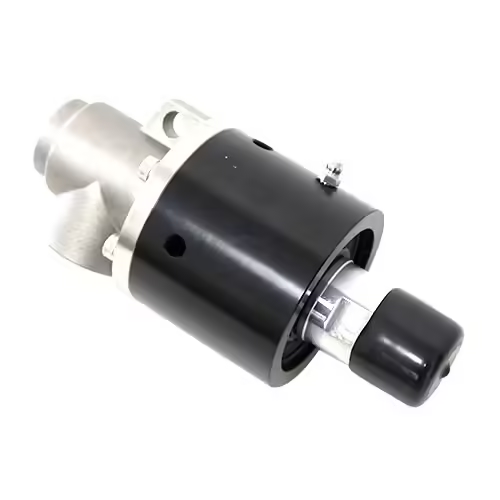
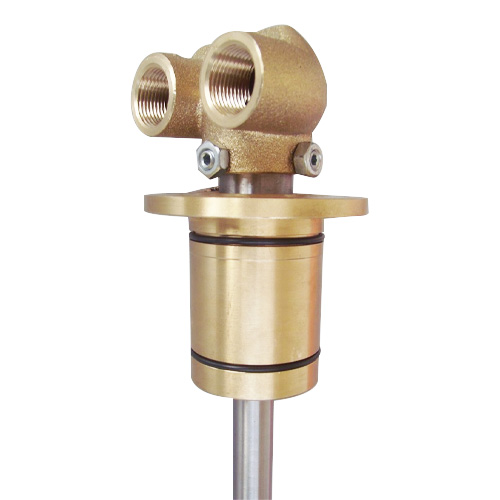
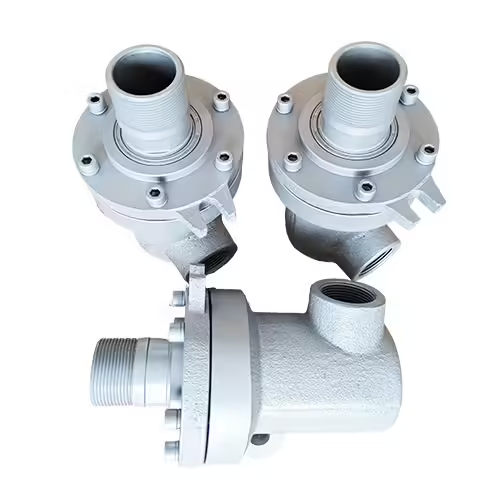
Routine inspection and maintenance can prevent most failures. Focus on:
- Inspection Intervals – High-pressure systems may require weekly or monthly checks, depending on usage intensity.
- Seal Condition – Check for wear, cracking, or leakage.
- Pelumasan – Keep seals and bearings adequately lubricated.
- Performance Monitoring – Track pressure drops or unusual vibrations.
According to industry maintenance reports, implementing a structured inspection routine can reduce unexpected joint failures by up to 40%.
Pemecahan Masalah Umum
Even the best pipe rotary joints can develop issues if mismanaged:
- Kebocoran – Often caused by worn seals, misalignment, or contamination.
- Vibration – Can result from improper installation or imbalance in the connected equipment.
- Temperature Anomalies – Overheating can degrade seals; check fluid compatibility and cooling systems.
Addressing these problems promptly ensures long-term reliability and system safety.
Custom vs. Standard Rotary Joints
While standard rotary joints meet most general applications, high-pressure systems often benefit from custom-designed joints:
- Tailored materials and seal configurations for specific fluids or temperatures.
- Optimized passage design for dual-fluid or multi-circuit operations.
- Cost-effective in the long term by reducing downtime and maintenance.
A careful evaluation of operating conditions will help you decide whether a custom solution is justified for your system.
Case Studies and Practical Applications
Consider a high-pressure hydraulic system using a serikat putar to transfer coolant and hydraulic oil simultaneously. A dual-passage joint with stainless steel housing and PTFE seals successfully operated at 3500 psi for over 18 months without maintenance, highlighting the importance of material selection and proper installation.
Another example involves steam heating in rotating cylinders, where a metal-to-metal sealed joint allowed continuous operation at high temperature and pressure, preventing costly downtime. These cases demonstrate how selecting the right joint for your application directly impacts operational efficiency.
Tanya Jawab Umum
Apa itu sambungan rotary pipa dan bagaimana cara kerjanya?
It transfers fluid between stationary and rotating parts without leaks, maintaining pressure integrity.
How do I select the right rotary joint for high-pressure applications?
Consider fluid type, temperature, maximum pressure, and required flow paths, then match these with the joint’s material and seal type.
What materials are best for high-pressure fluid systems?
Stainless steel and alloy metals are most common, with PTFE or metal-to-metal seals depending on pressure and temperature.
Seberapa sering sambungan putar harus diperiksa?
Inspection frequency depends on usage intensity, but monthly checks are recommended for high-pressure systems.
How do I prevent leaks and downtime in my system?
Ensure proper installation, select compatible materials, and maintain a regular inspection and lubrication schedule.
Need Help Choosing the Right Pipe Rotary Joint?
If you’re unsure which pipe rotary joint is best for your high-pressure system or equipment, our experts are ready to guide you. Hubungi kami today for a personalized consultation, and ensure your fluid transfer system operates safely and efficiently. Don’t wait until downtime or leaks occur—get in touch now to protect your equipment and maximize performance!
Terbaru Berita
Wawasan & Inovasi
