



Daftar isi
Memilih kit segel sambungan putar yang tepat dapat membuat perbedaan yang signifikan dalam kinerja dan umur panjang peralatan berputar Anda. Apakah Anda mengelola sistem tekanan tinggi, aplikasi uap, atau pengaturan hidrolik, kit segel yang tepat memastikan transfer cairan yang optimal sekaligus mencegah kebocoran, downtime, dan perawatan yang mahal. Dalam panduan ini, Anda akan belajar cara memilih, memelihara, dan memecahkan masalah kit segel sambungan putar, didukung oleh contoh praktis, data industri, dan wawasan yang dapat ditindaklanjuti.
Memahami Rotary Joint Seal Kit
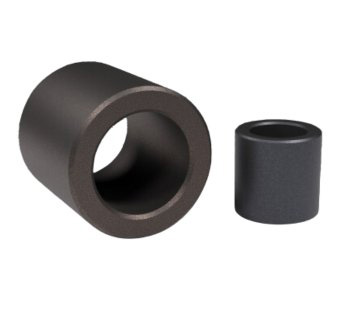
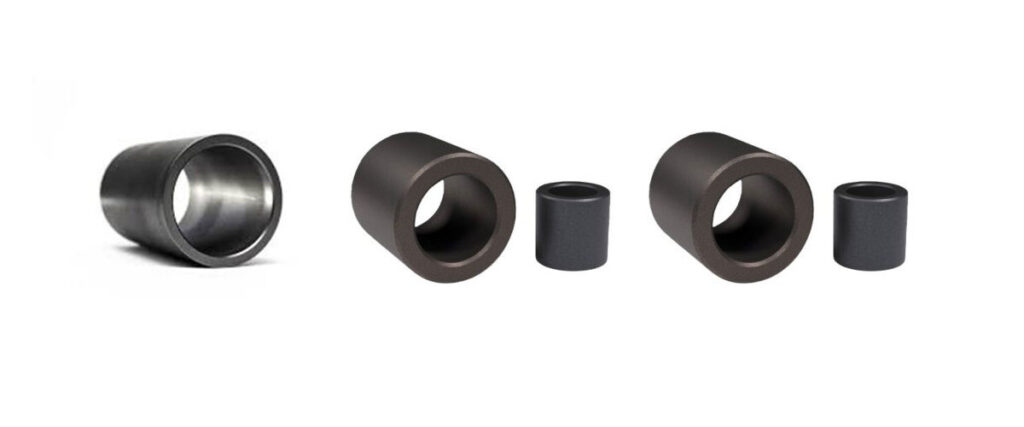
Kit segel sambungan putar adalah seperangkat komponen yang dirancang untuk menjaga segel yang aman dan bebas kebocoran antara bagian peralatan yang diam dan berputar. Biasanya, kit ini termasuk segel mekanis, gasket, O-ring, dan perangkat keras terkait. Fungsi utama mereka adalah untuk mencegah kebocoran cairan sambil memungkinkan rotasi, yang sangat penting dalam aplikasi seperti mesin hidrolik, distribusi uap, dan sistem pemrosesan kimia.
Bahan yang digunakan dalam kit ini bervariasi berdasarkan kondisi pengoperasian. Misalnya, PTFE sering digunakan untuk ketahanan terhadap bahan kimia, baja tahan karat untuk ketahanan terhadap korosi, dan karet untuk fleksibilitas dalam aplikasi bertekanan rendah. Memahami bahan dan komponen membantu Anda mencocokkan kit segel dengan kebutuhan sistem Anda.
Jenis Rotary Joint Seal Kit
Rotary joint seal kit datang dalam beberapa jenis tergantung pada aplikasi:
Kit Khusus Aplikasi: Kit uap, kit hidrolik, atau kit berkecepatan tinggi disesuaikan untuk skenario industri tertentu, memastikan daya tahan dalam kondisi stres yang unik.
Seal Kit Tunggal: Dirancang untuk tekanan sedang dan lingkungan suhu rendah. Mereka hemat biaya dan sederhana untuk diganti.
Beberapa Seal Kit: Ini cocok untuk sistem tekanan tinggi atau kritis di mana pencegahan kebocoran adalah yang terpenting. Mereka sering menyertakan segel sekunder untuk redundansi.
Kit Khusus Bahan: PTFE, stainless steel, atau karet segel memenuhi jenis cairan yang berbeda, suhu, dan persyaratan kompatibilitas kimia.
Faktor-faktor yang Perlu Dipertimbangkan Saat Memilih Seal Kit
Saat memilih kit segel sambungan putar, pertimbangkan hal berikut:
- Peringkat Tekanan dan Suhu: Pastikan kit dapat menangani tekanan dan suhu operasi maksimum sistem Anda. Melebihi batas dapat menyebabkan keausan segel yang cepat atau kegagalan bencana.
- Kompatibilitas Cairan: Bahan segel harus menahan cairan dalam sistem Anda, termasuk minyak, bahan kimia, atau larutan berbasis air.
- Kecepatan dan Torsi Rotasi: Peralatan berkecepatan tinggi menghasilkan lebih banyak gesekan dan panas, membutuhkan segel yang kuat yang menjaga integritas di bawah gerakan.
- Kondisi Lingkungan: Paparan bahan abrasif, korosi, atau getaran memerlukan komponen yang diperkuat atau dilapisi khusus.
- Desain Peralatan: Pertimbangkan dimensi dan toleransi penyelarasan sendi putar Anda untuk menghindari ketidakcocokan atau keausan yang tidak merata.
Pedoman Instalasi
Memasang kit segel sambungan putar dengan benar sangat penting. Berikut pendekatan praktisnya:
- Bersihkan semua permukaan kawin dan periksa keausan atau kerusakan.
- Lumasi segel dengan cairan yang direkomendasikan pabrikan untuk mengurangi gesekan selama pemasangan.
- Sejajarkan komponen dengan hati-hati; penyelarasan yang tidak tepat dapat menyebabkan kebocoran atau keausan dini.
- Kencangkan baut dan pengencang dalam pola silang untuk memastikan tekanan seragam.
- Hindari over-torquing, yang dapat merusak segel dan mengurangi umur.
Dengan mengikuti langkah-langkah ini, Anda meminimalkan kesalahan instalasi yang dapat menyebabkan downtime yang mahal.
Pemeliharaan dan Inspeksi
Perawatan yang tepat memastikan kit segel sambungan putar Anda terus bekerja dengan andal. Pertimbangkan jadwal pemeriksaan berikut:
| Kondisi Operasi | Interval Inspeksi yang Direkomendasikan | Interval Penggantian |
|---|---|---|
| Tekanan rendah, cairan bersih | Setiap 6 bulan | 24 bulan |
| Tekanan tinggi atau suhu tinggi | Setiap 3 bulan | 12 bulan |
| Media abrasif atau korosif | Bulanan | 6ج12 bulan |
Selama inspeksi, cari kebocoran, getaran abnormal, atau keausan pada segel. Deteksi dini masalah memungkinkan pemeliharaan preventif sebelum kegagalan peralatan terjadi.
Pemecahan Masalah Umum
Bahkan dengan seal kit yang benar, masalah dapat muncul. Masalah umum meliputi:
- Kebocoran: Biasanya disebabkan oleh segel yang aus, pemasangan yang salah, atau bahan yang tidak kompatibel.
- Getaran atau kebisingan yang berlebihan: Dapat menunjukkan ketidakselarasan atau ketidakseimbangan pada sendi putar.
- Spike suhu: Bisa menjadi tanda gesekan karena pelumasan yang tidak memadai atau segel yang aus.
Atasi masalah kecil dengan cepat dan pertimbangkan servis profesional untuk sistem yang kompleks atau bertekanan tinggi.
Kit Segel Bersama Rotary Kustom vs. Standar
Sementara kit standar cocok untuk banyak aplikasi, kit segel sambungan putar khusus memberikan solusi untuk peralatan unik atau lingkungan yang menantang. Manfaatnya meliputi:
- Bahan yang disesuaikan untuk kondisi suhu, kimia, atau tekanan ekstrem.
- Desain yang ditingkatkan untuk mengakomodasi ukuran atau kecepatan sambungan putar yang tidak biasa.
- Umur layanan yang diperpanjang dalam pengaturan industri yang menuntut.
Misalnya, sistem uap berkecepatan tinggi mungkin memerlukan kombinasi PTFE dan segel baja tahan karat khusus untuk mencegah kebocoran sekaligus menahan siklus termal terus menerus.
Pertimbangan Biaya dan ROI
Memilih kit segel sambungan putar berkualitas tinggi mungkin memiliki biaya di muka yang lebih tinggi, tetapi mengurangi pengeluaran jangka panjang dengan meminimalkan waktu henti, pemeliharaan, dan frekuensi penggantian. Kit yang dipilih dengan buruk dapat menyebabkan kegagalan yang sering terjadi, konsumsi energi yang lebih tinggi, dan peningkatan biaya tenaga kerja.
Berinvestasi pada kit yang tepat memastikan kinerja sistem yang andal dan membantu Anda menghindari gangguan operasional yang tidak terduga.
Kesimpulan
Memilih kit segel sambungan putar yang tepat memerlukan evaluasi yang cermat terhadap kondisi sistem, kompatibilitas material, dan persyaratan operasional. Pemasangan yang tepat, perawatan rutin, dan mempertimbangkan solusi khusus untuk aplikasi yang menantang memastikan kinerja optimal dan umur panjang peralatan.
Dengan mengikuti pedoman ini, Anda dapat membuat keputusan berdasarkan informasi yang menghemat waktu, mengurangi biaya pemeliharaan, dan meningkatkan keandalan peralatan berputar Anda.
Tanya Jawab Umum
Apa itu kit segel sendi rotary, dan bagaimana cara kerjanya?
Ini adalah satu set segel dan perangkat keras yang dirancang untuk mencegah kebocoran antara bagian stasioner dan berputar, memastikan transfer cairan yang lancar.
Bagaimana cara memilih kit segel sambungan putar yang tepat untuk aplikasi saya?
Pertimbangkan tekanan, suhu, jenis cairan, kecepatan, dan faktor lingkungan untuk mencocokkan kit dengan kebutuhan sistem Anda.
Dapatkah kit segel sambungan putar digunakan untuk aplikasi tekanan tinggi atau uap?
Ya, kit yang terbuat dari stainless steel atau PTFE bermutu tinggi dapat menangani lingkungan bertekanan tinggi dan uap.
Seberapa sering kit segel sambungan putar harus diperiksa atau diganti?
Interval inspeksi bergantung pada kondisi pengoperasian, mulai dari bulanan di lingkungan yang keras hingga setiap 6 bulan dalam pengaturan tekanan rendah.
Apa tanda-tanda kegagalan kit segel sambungan putar?
Kebocoran, getaran, kebisingan abnormal, dan fluktuasi suhu menunjukkan keausan atau pemasangan yang tidak tepat.
Terbaru Berita
Wawasan & Inovasi
