



Daftar isi
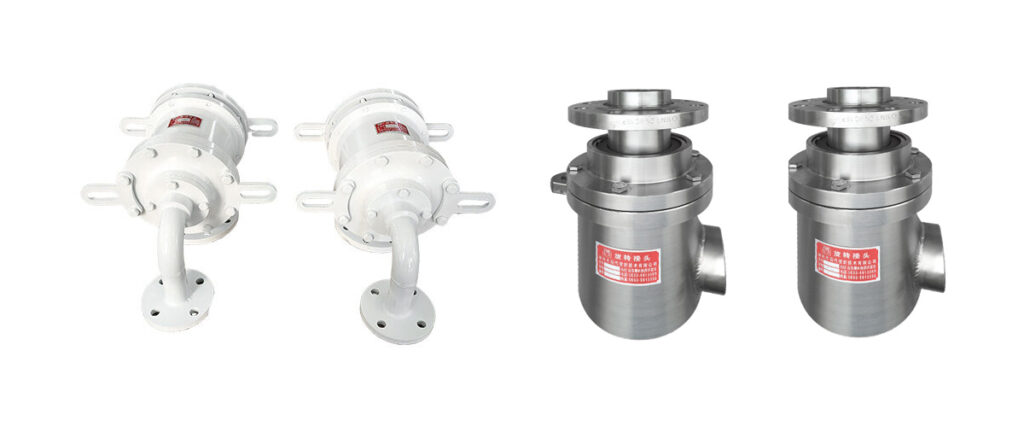
Sambungan putar merupakan komponen vital dalam sistem industri modern, yang memungkinkan transfer fluida dan gas secara efisien antara peralatan stasioner dan berputar. Jika Anda mengelola mesin industri atau sistem fluida, memahami cara kerja sambungan putar dan cara memilih jenis yang tepat dapat secara signifikan mengurangi waktu henti, meningkatkan keselamatan, dan memperpanjang umur peralatan.
Dalam panduan ini, kita akan mengeksplorasi sambungan putar secara detail, dengan fokus pada pemilihan, perawatan, aplikasi, dan data kinerja di dunia nyata, untuk membantu Anda membuat keputusan yang tepat untuk operasi Anda.
Apa yang Sendi Putar dan Mengapa Hal Itu Penting
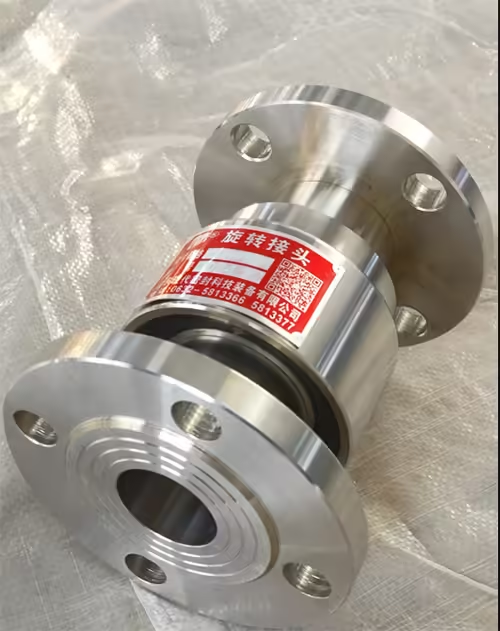
Sambungan putar, juga dikenal sebagai sambungan rotasi, adalah perangkat mekanis yang memungkinkan transfer fluida—seperti oli hidrolik, air, uap, atau udara—dari saluran pasokan stasioner ke komponen yang berputar. Komponen ini banyak digunakan dalam mesin manufaktur, sistem hidrolik, mesin kertas, peralatan tekstil, dan pabrik pengolahan kimia.
Sambungan putar yang dipilih dengan baik memastikan:
- Aliran fluida yang lancar dengan kebocoran minimal.
- Mengurangi keausan pada komponen mesin.
- Keandalan operasional jangka panjang di bawah variasi tekanan dan suhu.
Sebagai contoh, pada mesin pres hidrolik, pemilihan sambungan putar yang tidak tepat dapat menyebabkan seringnya waktu henti dan kebocoran oli, yang menghabiskan biaya perawatan ribuan dolar.
Jenis-Jenis Utama Sambungan Putar
Sambungan putar dapat dikategorikan berdasarkan jenis fluida, persyaratan tekanan, dan karakteristik gerakan. Jenis-jenis umum meliputi:
- Sambungan Satu Jalur: Dirancang untuk satu saluran fluida, ideal untuk aplikasi sederhana.
- Sambungan Multi-Jalur: Menangani beberapa saluran fluida secara bersamaan, sering digunakan dalam sistem hidrolik yang kompleks.
- Sambungan Bertekanan Tinggi: Dirancang untuk tekanan di atas 500 PSI, cocok untuk sistem hidrolik tugas berat.
- Sambungan Uap dan Gas: Dirancang untuk tahan terhadap suhu tinggi dan mencegah kebocoran akibat pemuaian termal.
Memahami kategori-kategori ini membantu Anda mencocokkan sambungan dengan persyaratan spesifik mesin Anda, sehingga memastikan efisiensi operasional.
Mencocokkan Jenis Sambungan Putar dengan Persyaratan Aplikasi
Berbagai industri memiliki tuntutan unik terhadap sambungan putar. Berikut cara Anda dapat menyesuaikan pemilihan sambungan dengan aplikasi spesifik Anda:
Sistem Hidrolik:
Sambungan putar hidraulik harus mampu menahan tekanan tinggi dan siklus gerakan yang sering. Material seperti baja yang dikeraskan dikombinasikan dengan segel PTFE direkomendasikan untuk meminimalkan keausan.
Pengolahan Kimia:
Kompatibilitas media sangat penting. Material baja tahan karat atau paduan dengan segel PTFE atau FKM memberikan ketahanan terhadap korosi dan serangan kimia.
Aplikasi Suhu Tinggi:
Sistem uap atau minyak panas memerlukan sambungan dengan teknologi penyegelan grafit atau logam-ke-logam, yang mempertahankan kinerja di bawah suhu ekstrem.
Aplikasi Abrasif:
Pada sistem fluida cair atau abrasif, sambungan dengan struktur bantalan yang diperkuat dan metalurgi tahan abrasi mengurangi keausan dan waktu henti.
Studi Kasus: Pemilihan Sambungan Putar pada Mesin Pres Hidrolik
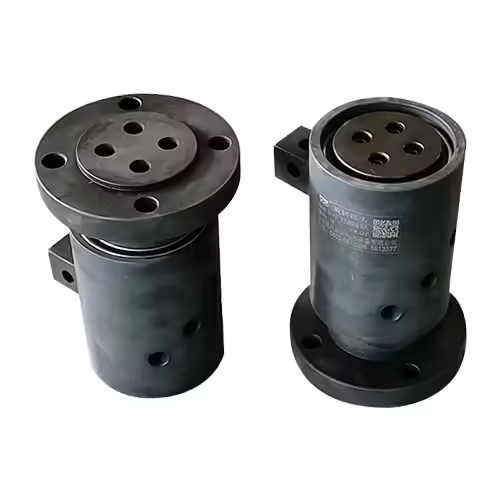
Sebuah pabrik manufaktur mengalami kebocoran oli yang sering terjadi pada sistem mesin pres hidroliknya. Setelah evaluasi, tim teknik beralih ke sambungan putar baja tahan karat bertekanan tinggi multi-jalur dengan segel PTFE.
Hasil:
- Pengurangan waktu henti perawatan sebesar 45%
- Tidak ada kebocoran cairan selama 12 bulan.
- Peningkatan efisiensi operasional sebesar 30%
Kasus ini menggambarkan bagaimana pemilihan sambungan yang tepat dan disesuaikan dengan kebutuhan sistem dapat memberikan dampak nyata pada kinerja dan penghematan biaya.
Faktor-Faktor Kunci dalam Pemilihan Sambungan Putar
Saat memilih sambungan putar, pertimbangkan faktor-faktor berikut:
| Faktor | Pentingnya | Tips Praktis |
|---|---|---|
| Jenis Cairan | Menentukan bahan segel dan ketahanan terhadap korosi. | Gunakan material yang kompatibel seperti baja tahan karat untuk cairan korosif. |
| Peringkat Tekanan | Harus melebihi tekanan operasi sistem. | Sistem bertekanan tinggi membutuhkan sambungan yang diperkuat. |
| Kisaran Suhu | Memengaruhi masa pakai segel dan pemilihan material. | Gunakan segel grafit untuk aplikasi suhu tinggi. |
| Laju Aliran | Memastikan pengoperasian sistem yang benar | Pastikan diameter sambungan sesuai dengan aliran yang dibutuhkan. |
| Kecepatan Rotasi | Mencegah keausan bantalan dini | Bantalan dan pelumasan harus sesuai dengan RPM putaran. |
| Pemeliharaan | Menentukan kemudahan penggantian | Pilih sambungan dengan segel dan bantalan yang mudah diakses. |
Tabel ini memberikan perbandingan praktis bagi para insinyur dan operator untuk menilai kesesuaian dengan cepat.
Praktik Terbaik Pemeliharaan
Perawatan yang tepat akan memperpanjang umur pakai komponen putar Anda. Rekomendasinya meliputi:
- Inspeksi rutin untuk kebocoran, korosi, atau keausan.
- Pelumasan sesuai spesifikasi pabrikan.
- Memantau tekanan operasi dan laju aliran.
- Mengganti seal dan bearing secara proaktif.
Sebagai contoh, mesin kertas yang menggunakan sambungan yang tidak dilumasi dengan benar dapat mengalami kerusakan segel dalam hitungan minggu. Dengan perawatan terjadwal, sambungan yang sama dapat bertahan selama beberapa tahun.
Inovasi dalam Desain Sambungan Putar
Inovasi terkini berfokus pada peningkatan efisiensi dan pengurangan waktu henti:
- Desain multi-saluran untuk transfer fluida simultan
- Material penyegel canggih seperti komposit FKM dan PTFE
- Desain modular untuk kemudahan instalasi dan perawatan.
- Bantalan tahan getaran untuk menangani rotasi kecepatan tinggi.
Peningkatan teknologi ini memungkinkan Anda untuk mengoptimalkan kinerja peralatan sekaligus mengurangi risiko operasional.
Aplikasi Dunia Nyata di Berbagai Industri
Sambungan putar digunakan di berbagai sektor:
- Industri Kertas dan Pulp: Untuk distribusi uap dan air dalam silinder pengering
- Pengolahan Kimia: Untuk transfer cairan korosif atau bersuhu tinggi yang aman.
- Peralatan Hidrolik: Untuk mesin pres, pengangkat, dan cetakan dengan sistem oli bertekanan tinggi.
- Mesin Tekstil: Untuk proses pewarnaan dan penyelesaian yang membutuhkan rotasi cairan.
Kemampuan adaptasi sambungan putar memungkinkan Anda untuk menstandarisasi peralatan sekaligus mengakomodasi kebutuhan operasional spesifik.
Studi Kasus: Sendi Putar dalam Pengolahan Makanan
Sebuah pabrik pengolahan makanan membutuhkan sambungan putar sanitasi untuk memindahkan air panas dalam jalur pasteurisasi. Dengan memilih sambungan tahan suhu tinggi dari baja tahan karat dengan segel kelas makanan, pabrik tersebut:
- Telah mencapai kepatuhan penuh terhadap standar kebersihan.
- Mengurangi kebocoran air dan waktu henti sebesar 25%
- Pembersihan dan perawatan yang disederhanakan
Contoh ini menunjukkan bagaimana pemilihan sendi yang tepat selaras dengan tujuan regulasi dan operasional.
Masalah Umum dan Cara Menghindarinya
Beberapa masalah yang mungkin Anda temui:
- Kebocoran: Seringkali disebabkan oleh ketidaksesuaian segel atau pemasangan yang tidak tepat.
- Kegagalan Bantalan: Disebabkan oleh kecepatan putaran yang berlebihan atau ketidaksejajaran.
- Korosi: Terjadi jika bahan-bahan tersebut tidak kompatibel dengan media.
- Penurunan Tekanan: Ukuran yang tidak tepat dapat membatasi aliran dan mengurangi efisiensi.
Pemantauan rutin dan pemilihan sambungan yang tepat untuk sistem Anda sangat penting untuk menghindari masalah ini.
Kesimpulan
Memilih sambungan putar yang tepat sangat penting untuk memastikan mesin Anda beroperasi secara efisien dan aman. Dengan mempertimbangkan jenis fluida, tekanan, suhu, dan kecepatan putaran, Anda dapat memperpanjang umur peralatan, mengurangi waktu henti, dan meningkatkan kinerja secara keseluruhan.
Jika Anda mencari sambungan putar khusus berkualitas tinggi, tim kami di Modern Rotary Joint dapat membantu Anda mengidentifikasi dan menerapkan solusi ideal untuk sistem Anda. Jangan menunggu hingga waktu henti berdampak pada produksi Anda—konsultasikan dengan para ahli kami hari ini untuk mengoptimalkan operasi Anda dengan sambungan putar yang direkayasa secara presisi.
Tanya Jawab Umum
Bagaimana saya tahu yang mana sendi putar Apakah material ini tepat untuk aplikasi saya?
Pertimbangkan jenis fluida, tekanan, dan suhu. Baja tahan karat serbaguna untuk sebagian besar aplikasi korosif atau suhu tinggi.
Bisakah saya menggunakan sambungan saluran tunggal untuk beberapa cairan?
Tidak. Sambungan multi-jalur diperlukan untuk transfer fluida secara simultan guna menghindari kontaminasi.
Seberapa sering saya harus memeriksa sendi putar?
Frekuensi inspeksi bergantung pada pengoperasian. Untuk sistem bertekanan tinggi atau berkecepatan tinggi, pemeriksaan bulanan disarankan.
Perawatan apa yang dapat memperpanjang umur pakai sendi putar?
Pelumasan rutin, pemeriksaan seal, pemantauan bantalan, dan pengendalian tekanan membantu memaksimalkan masa pakai sambungan.
Apakah sambungan putar cocok untuk aplikasi makanan dan farmasi?
Ya. Sambungan baja tahan karat dengan segel sanitasi memenuhi standar kebersihan untuk industri-industri ini.
Butuh Bantuan Memilih Sambungan Putar yang Tepat?
Jika Anda tidak yakin sambungan putar mana yang sesuai dengan peralatan Anda, para ahli kami siap membantu. Hubungi kami hari ini Untuk konsultasi yang dipersonalisasi dan memastikan sistem Anda beroperasi dengan aman dan efisien. Jangan tunggu lagi—hubungi kami sekarang untuk melindungi mesin Anda dan meningkatkan produktivitas!
Terbaru Berita
Wawasan & Inovasi
