



.jpg)
Selamat Datang di blog saya!
Sebelum kita membahas kontennya, saya ingin Anda bergabung dengan saya di platform media sosial tempat saya berbagi lebih banyak wawasan, berinteraksi dengan komunitas, dan mengunggah informasi terbaru. Berikut cara Anda dapat terhubung dengan saya:
Facebook:https://www.facebook.com/profile.php?id=61575858997962
Sekarang, mari kita mulai perjalanan kita bersama. Semoga Anda menemukan konten di sini yang berwawasan, menarik, dan berharga.
Daftar isi
Dalam sistem industri di mana cairan atau gas harus ditransfer antara komponen stasioner dan berputar, pilihan sambungan putar memiliki dampak langsung pada kinerja, keandalan, dan masa pakai. Di antara banyak desain, sambungan putar tipe HK menawarkan kombinasi yang seimbang antara kesederhanaan, efisiensi, dan daya tahan, menjadikannya solusi pilihan untuk berbagai aplikasi industri.
Sebagai produsen sambungan putar tepercaya, kami telah mengamati secara langsung bagaimana unit tipe HK mengungguli banyak alternatif saat dikonfigurasi dengan benar. Artikel ini memandu Anda melalui konsep inti, kriteria pemilihan, kasus dunia nyata, dan pertimbangan pemeliharaan yang Anda perlukan untuk membuat keputusan yang tepat.
Apa Itu HK Type Rotary Joint?
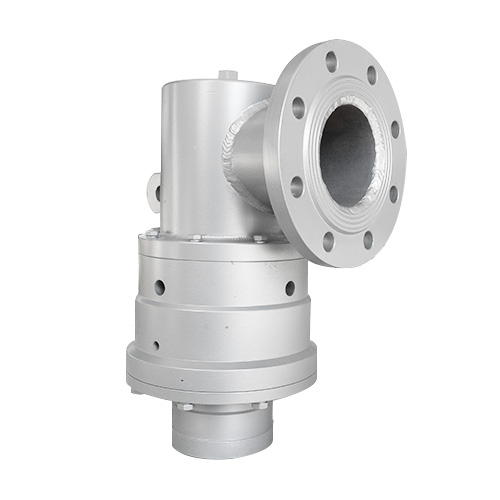
Itu Sambungan putar tipe HK adalah desain khusus dari serikat putar yang memungkinkan transfer fluida terus menerus dalam sistem di mana antarmuka pasokan tetap terhubung dengan mesin yang berputar. Sambungan ini biasanya menangani aplikasi air dingin, udara, vakum, dan tekanan rendah‑ke‑sedang.
Anda dapat menjelajahi detail spesifik dan opsi pemesanan di halaman internal kami:
🔗 HK Type Rotary Joint produk halaman
Sambungan putar seperti ini termasuk dalam kategori serikat putar yang lebih luas, yang digunakan di banyak bidang industri. Untuk gambaran umum tentang serikat putar dan prinsip operasinya, lihat Ikhtisar Serikat Putar di situs teknis Grandslipring:
🔗 Gambaran Umum Rotary Union
Komponen Inti dan Prinsip Kerja
Sebuah sendi tipe HK biasanya terdiri dari:
- Badan yang diputar terhubung ke bagian mesin yang bergerak.
- Rumah stasioner yang terikat pada sistem perpipaan tetap.
- Bantalan berpresisi tinggi untuk rotasi stabil.
- Segel datar multi‑pegas atau segel PTFE untuk mencegah kebocoran.
- Gasket dan pengencang dirancang untuk perakitan berulang.
Ketika media memasuki sambungan dari sisi stasioner, media berjalan melalui jalur precision‑machined dan keluar melalui sisi yang berputar tanpa kehilangan tekanan atau kebocoran yang tidak diinginkan. Prinsip kerja ini memungkinkan pengiriman cairan yang stabil bahkan di bawah kecepatan dan tekanan yang berfluktuasi.
Kelebihan Rotary Joint Tipe HK
Pengiriman Cairan Stabil
Tipe HK menyediakan profil aliran yang konsisten, mengurangi turbulensi dan penurunan tekanan di seluruh sambungan. Ini sangat penting dalam sistem seperti sirkuit pendingin, manifold hidrolik, dan jalur pneumatik.
Umur Layanan Diperpanjang
Direkayasa dengan baja high‑grade dan elemen penyegelan presisi, sambungan tipe HK tahan terhadap rotasi terus menerus dengan keausan minimal. Dibandingkan dengan sambungan putar konvensional, desain segel datar mendistribusikan beban lebih merata, meningkatkan umur panjang.
Keserbagunaan di Seluruh Jenis Media
Sambungan tipe HK dapat menangani media industri umum termasuk air dingin, udara, cairan hidrolik ringan, dan vakum low‑pressure. Fleksibilitas ini memungkinkannya dipasang dalam sistem yang beragam tanpa desain ulang yang signifikan.
Mengurangi Biaya Pemeliharaan
Karena integritas segel dan ketahanan material yang lebih baik, unit tipe HK sering membutuhkan lebih sedikit intervensi layanan tidak terjadwal. Pengguna melaporkan peningkatan waktu kerja ketika sambungan ini ditentukan dan dipasang dengan benar.
Contoh Aplikasi Real‑World
Rol Pendingin di Jalur Pemrosesan
Sebuah pabrik pengolahan menghadapi kebocoran berulang dan downtime dalam sistem roller pendinginnya. Dengan retrofit sambungan rotari tipe HK dengan segel stainless‑steel yang ditingkatkan, kebocoran air menurun lebih dari 25%, dan interval perawatan terjadwal diperpanjang secara signifikan.
Aktuator Putar Pneumatik dalam Sistem Otomasi
Jalur perakitan otomotif membutuhkan umpan udara putar yang andal ke komponen pneumatik. Sambungan putar tipe HK memastikan pengiriman udara yang lancar dan berkelanjutan pada tingkat siklus tinggi, sehingga menghasilkan lebih sedikit penghentian produksi.
Rotating Dryer untuk Produksi Berkelanjutan
Dalam sistem pengeringan high‑output, sambungan tipe HK terbukti efektif dalam menangani beban termal sedang dan mempertahankan aliran udara yang konsisten tanpa penurunan kinerja selama proses yang diperpanjang.
Untuk konteks yang lebih luas tentang bagaimana sambungan putar mendukung mesin berkecepatan tinggi, jelajahi diskusi teknis ini tentang serikat putar yang digunakan dalam pendinginan dan transfer fluida:
🔗 Serikat Rotary dalam Pendinginan Industri
Tabel Perbandingan: Jenis Sendi Rotary
Di bawah ini adalah perbandingan untuk membantu Anda memilih antara sendi putar tipe HK dan jenis sendi umum lainnya:
| Atribut | HK Type Rotary Joint | Rotary Joint Standar | Serikat Rotary Berkecepatan Tinggi |
|---|---|---|---|
| Media Khas | Air dingin, udara, vakum | Minyak, pendingin | Air, udara, viskositas rendah |
| Tekanan Maksimum | Hingga 1.0 MPa | Hingga 2,5 MPa | Hingga 1,5 MPa |
| Kecepatan Khas | Hingga ~3000 RPM | Hingga ~2000 RPM | Hingga ~4000 RPM |
| Desain Segel | Multi‑spring, PTFE | Elastomer | Levelow‑friction tingkat lanjut |
| Aplikasi Terbaik | Transfer cairan industri | Sistem fluida umum | Sistem berkecepatan tinggi dan presisi |
Tabel ini berasal dari data teknik yang disediakan oleh produsen industri dan mencerminkan konfigurasi khas yang digunakan dalam mesin industri modern.
Cara Memilih Rotary Joint Tipe HK yang Tepat
Berikut adalah faktor penting yang perlu dipertimbangkan ketika menentukan sendi:
1. Kompatibilitas Sedang
Pastikan bahan sambungan putar kompatibel dengan media yang ditransfer. Stainless steel sangat ideal untuk air dan udara, sementara paduan khusus mungkin diperlukan untuk cairan agresif.
2. Tekanan dan Kecepatan Sistem
Cocokkan peringkat tekanan sambungan dengan tekanan puncak sistem Anda, dan verifikasi bahwa kecepatan rotasi terukur memenuhi permintaan operasional.
3. Pertimbangan Suhu
Sendi tipe HK standar menangani rentang suhu sedang. Untuk sistem yang terkena panas tinggi, pertimbangkan opsi segel canggih yang dirancang untuk suhu tinggi.
4. Kendala Instalasi
Ruang fisik, keselarasan, dan orientasi perpipaan mempengaruhi pemilihan sendi. Selalu izinkan penyelarasan yang tepat untuk menghindari keausan segel prematur.
Untuk referensi yang lebih dalam tentang bagaimana mengevaluasi serikat rotary untuk berbagai kondisi, artikel ahli tentang pemilihan sendi mekanis:
🔗 Pemilihan Serikat Rotary
Masalah dan Solusi Umum
Bahkan dengan sambungan putar tipe HK berkualitas tinggi, masalah dapat terjadi jika kondisi sistem tidak cocok dengan benar:
- Kebocoran: Seringkali disebabkan oleh media yang tidak kompatibel, pemasangan yang tidak tepat, atau degradasi segel.
- Getaran: Dapat meningkatkan keausan segel; memastikan keselarasan yang tepat dan rotasi yang seimbang.
- Tekanan Surges: Melebihi tekanan pengenal akan membahayakan integritas segel.
- Korosi Lingkungan: Gunakan bahan tahan korosi bila diperlukan.
Atasi hal ini secara proaktif untuk memaksimalkan kinerja siklus hidup.
Praktik Terbaik Instalasi dan Pemeliharaan
Untuk memastikan umur sendi yang panjang:
- Sejajarkan Poros Tepat: Ketidakselarasan menyebabkan beban yang tidak merata pada segel dan bantalan.
- Ikuti Spesifikasi Torsi dengan Hati-hati: Torsi yang benar mencegah pelonggaran pengikat atau kerusakan benang.
- Periksa Secara Berkala: Carilah tanda-tanda keausan dini atau cairan merayap.
- Parameter Operasi Monitor: Getaran yang tidak biasa atau lonjakan suhu sering kali menandakan masalah segel.
Untuk strategi pemeliharaan tambahan yang berlaku untuk sistem putar, lihat sumber daya ini:
🔗 Perencanaan Pemeliharaan untuk Peralatan Rotary
Kesimpulan
Sambungan putar tipe HK adalah solusi serbaguna dan praktis untuk banyak kebutuhan transfer cairan di industri modern. Dengan memilih konfigurasi yang tepat berdasarkan persyaratan medium, tekanan, kecepatan, dan pemasangan, Anda dapat mengurangi waktu henti, meningkatkan kinerja, dan memperpanjang masa pakai peralatan.
Jika Anda tidak yakin sambungan putar mana yang paling sesuai dengan sistem Anda, tim kami di Shandong Xiandai Teknologi Penyegelan Peralatan Co., Ltd. siap membantu. Jangkau hari ini untuk konsultasi yang dipersonalisasi dan dukungan praktis yang disesuaikan dengan aplikasi Anda.
Tanya Jawab Umum
Untuk apa sambungan putar tipe HK digunakan?
Ini mentransfer media antara komponen stasioner dan berputar dalam sistem seperti rol pendingin, aktuator pneumatik, dan mesin otomasi.
Dapatkah sendi tipe HK menangani media yang berbeda?
Ya. Pemilihan bahan dan segel menentukan kompatibilitas. Air dingin, udara terkompresi, dan vakum adalah media umum.
Seberapa sering pemeliharaan harus dilakukan?
Itu tergantung pada kondisi operasi, tetapi pemeriksaan rutin setiap beberapa bulan memungkinkan deteksi dini keausan.
Apa perbedaan antara tipe HK dan sambungan putar berkecepatan tinggi?
Tipe HK adalah desain tugas industri umum, sementara sambungan berkecepatan tinggi dioptimalkan untuk aplikasi RPM yang sangat tinggi.
Di mana saya dapat menemukan spesifikasi produk secara rinci?
Kunjungi halaman sambungan putar tipe HK di modernrotaryjoint.com untuk mendapatkan spesifikasi dan informasi pemesanan terkini.
Terbaru Berita
Wawasan & Inovasi
