



Table of Contents
Introduction
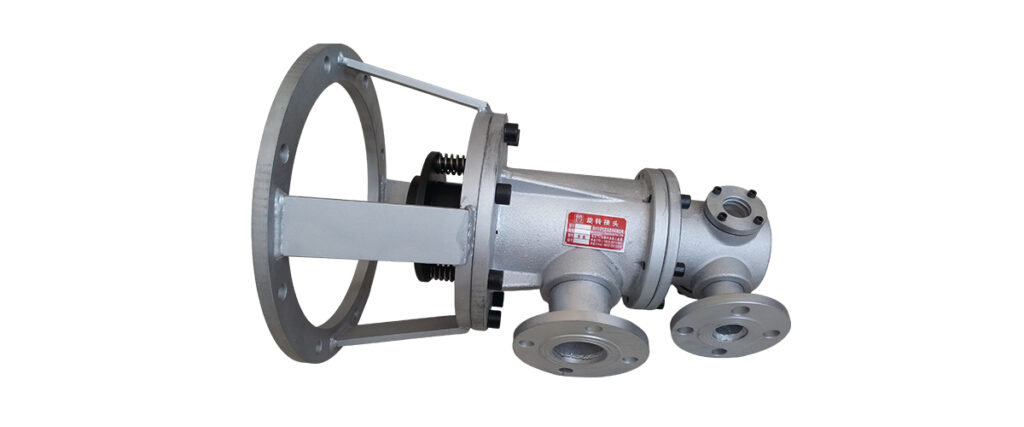
In high-speed paper production, the drying section, or dryer section, is the most energy-intensive part of the machine. Efficient drying directly impacts production speed, paper quality, and operational costs. A high-speed paper machine special rotary joint plays a pivotal role by connecting the stationary steam supply to the rotating dryer cylinders. It must maintain a leak-free operation under high temperatures, pressures, and rotational speeds.
The main pain point in these systems is that conventional rotary joints cannot withstand the demanding conditions of modern high-speed machines, leading to frequent downtime and costly maintenance. Optimized high-speed paper machine special rotary joints are designed to endure extreme conditions while maintaining consistent performance.
Core Applications: Steam Transfer in Dryer Cylinders
Dryer Cylinder Structure and Operational Conditions
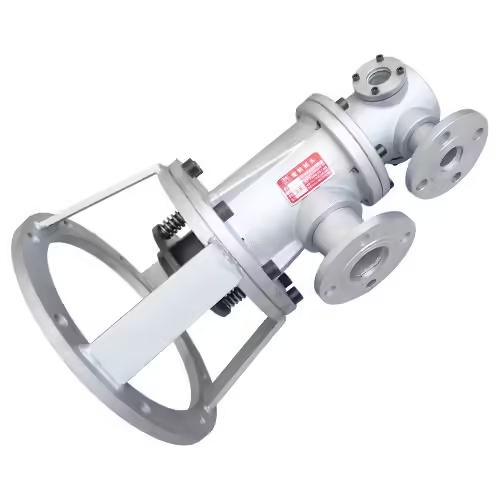
Modern paper machine dryers operate using saturated or superheated steam. The cylinders rotate at high speeds, requiring rotary joints with excellent dynamic balance and wear resistance. Misalignment or improper seal design can lead to steam leakage, uneven drying, and significant energy losses.
Steam Transfer Solutions: Single vs. Double Flow
Single Flow: Simple design, lower maintenance cost, but less efficient at removing condensate.
Double Flow: Allows continuous condensate removal while supplying steam, improving heat transfer efficiency and saving energy. Using siphon pipes within the cylinder facilitates efficient condensate drainage, reducing pressure fluctuations and thermal losses.
| Steam Transfer Method | Condensate Removal Efficiency | Energy Savings | Maintenance Requirement |
|---|---|---|---|
| Single Flow | Medium | Low | Low |
| Double Flow with Siphon | High | High | Moderate |
Key Technical Challenges of High-Speed Paper Machine Special Rotary Joints
Friction and Heat Management
At high rotational speeds, the frictional heat on sealing surfaces—typically carbon graphite against silicon carbide—rises exponentially. Balanced seal designs leverage fluid pressure to optimize seal face loading, minimizing friction, reducing wear, and extending service life.
Bearings and Dynamic Balance
Even minor axial or radial deviations can compromise seal integrity at high speeds. High-speed paper machine special rotary joints utilize precision angular contact ball bearings and undergo meticulous dynamic balancing to ensure stable operation without vibration-induced failures.
Vibration and Pipe Stress
Operational vibration and thermal expansion of connected pipes impose stress on the rotary joint. Flexible connections such as stainless steel hoses and careful zero-stress alignment help isolate vibration and prevent mechanical overload, safeguarding both the rotary joint and adjacent equipment.
Maintenance Recommendations for Longevity
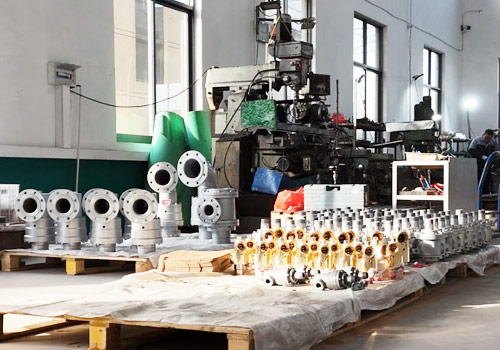
Preventive Maintenance: Regularly inspect steam quality to prevent scale or debris from damaging seal faces.
Installation Precision: Ensure the rotary joint is perfectly aligned with the dryer cylinder axis to avoid premature wear.
Energy Efficiency Monitoring: Track condensate discharge temperature and flow. Poorly performing joints can create a “water ring effect,” reducing heat transfer efficiency in the dryer cylinder.
| Maintenance Task | Recommended Frequency | Benefits |
|---|---|---|
| Seal Inspection | Monthly | Prevent leaks and reduce downtime |
| Bearing Check | Quarterly | Maintain smooth rotation |
| Condensate Monitoring | Weekly | Ensure optimal heat transfer |
| Alignment Verification | Biennially | Prevent uneven wear and seal failure |
Case Study: Optimizing Dryer Section Performance
A paper mill upgraded its conventional rotary joints to high-speed paper machine special rotary joints with double-flow capability and balanced seals. After installation:
- Steam efficiency improved by 18%
- Condensate removal issues dropped by 85%
- Annual energy costs decreased by approximately 12%
These improvements demonstrate the ROI of investing in a properly engineered rotary joint for high-speed applications.
Conclusion
High-speed paper machine special rotary joints are critical for maximizing drying efficiency, production speed, and energy savings. Selecting a purpose-built joint with balanced seals, double-flow capability, and precision bearings ensures long-term reliability and minimal downtime.
Need expert advice on choosing or maintaining your high-speed paper machine special rotary joint? Contact Modern Sealing today for a tailored consultation and ensure your paper machine operates at peak efficiency. Protect your equipment and optimize production—get in touch now.
FAQ
What makes a high-speed paper machine special rotary joint different from standard joints?
It is designed for extreme temperatures, high pressures, and rotational speeds, with features like balanced seals and precision bearings.
How does double-flow improve drying efficiency?
Double-flow designs remove condensate continuously while supplying steam, enhancing heat transfer and energy efficiency.
How often should the rotary joint be serviced?
Inspection should occur monthly for seals and weekly for condensate monitoring, depending on operating conditions.
Can the rotary joint handle superheated steam?
Yes, high-quality materials such as silicon carbide seals and stainless steel housings allow safe operation under superheated steam conditions.
What is the best method to prevent premature wear?
Ensure proper alignment and clean steam supply, and maintain dynamic balance of bearings during installation and operation.
Latest News
Insights & Innovation
