



Table of Contents
Rotary unions are indispensable components in many industrial systems that require the continuous transfer of fluids or gases between stationary and rotating elements. When the application demands multiple media paths—such as simultaneous cooling and lubrication or steam and condensate transfer—double passage rotary unions provide an engineered solution that combines reliability, versatility, and performance.
As a manufacturer focused on custom solutions, you are likely evaluating how advanced rotary joint configurations can impact uptime, maintenance cycles, and overall system stability. This guide will walk you through everything you need to know about double passage rotary unions: how they work, where they’re used, how to specify them, and how your custom needs can be met with precision engineering.
Through detailed sections, case studies, data analysis, and practical tables, you’ll gain insights that help you choose and implement the most effective rotary union solutions for your machinery and industrial systems.
What Are Double Passage Rotary Unions and Why They Matter
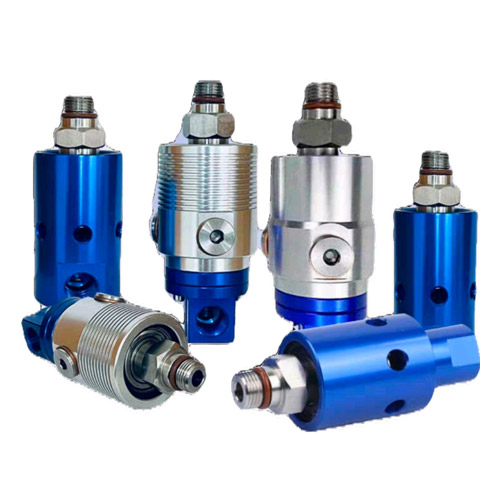
A double passage rotary union is a specialized type of rotary joint designed with two separate fluid pathways. Instead of a single inlet and outlet, these unions allow two independently controlled media streams to flow simultaneously through one rotating interface.
This multi‑channel capability can serve many purposes, such as:
- Simultaneous flow of cooling water and hydraulic oil
- Dual‑media steam and condensate circulation
- Independent supply and return lines in thermal systems
- Combining lubricant delivery with coolant flow
Because of the separate channels, double passage rotary unions maintain isolation between media streams while conserving space and reducing the number of discrete joints required in a machine. This results in fewer potential leak points, simpler piping layouts, and enhanced operational efficiency.
To gain a broader understanding of rotary joints (also known as swivel joints), you can refer to this industry document for an overview of rotary joints, which covers general principles and applications:
🔗 Rotary Union Overview
How Double Passage Rotary Unions Work
At their core, double passage rotary unions incorporate two independent channels through which media can travel. They usually consist of:
- Dual internal flow paths with separate inlets and outlets
- Rotating and stationary seals positioned to isolate the two media
- Precision bearings to support rotation and maintain alignment
- Housing and sealing surfaces machined to tight tolerances
When the union rotates with the connected equipment, the internal structure ensures each media stream travels through its assigned channel without intermixing. This is typically achieved through complex sealing geometries and high‑precision machining.
For a detailed technical eFor a more detailed understanding of rotary connector sealing technology, please refer to this practical reference article on rotary seal technology:
🔗 Rotary Connector Sealing Technology
How Double Passage Rotary Unions Work
At their core, double passage rotary unions incorporate two independent channels through which media can travel. They usually consist of:
- Dual internal flow paths with separate inlets and outlets
- Rotating and stationary seals positioned to isolate the two media
- Precision bearings to support rotation and maintain alignment
- Housing and sealing surfaces machined to tight tolerances
When the union rotates with the connected equipment, the internal structure ensures each media stream travels through its assigned channel without intermixing. This is typically achieved through complex sealing geometries and high‑precision machining.
In double passage designs, designers often use advanced multi‑spring seals or balanced mechanical seals to reduce friction and extend seal life under cyclic conditions. The actual internal design will vary depending on pressure, media type, temperature, and rotational speed requirements.
Key Advantages of Double Passage Rotary Unions
1. Reduced System Complexity
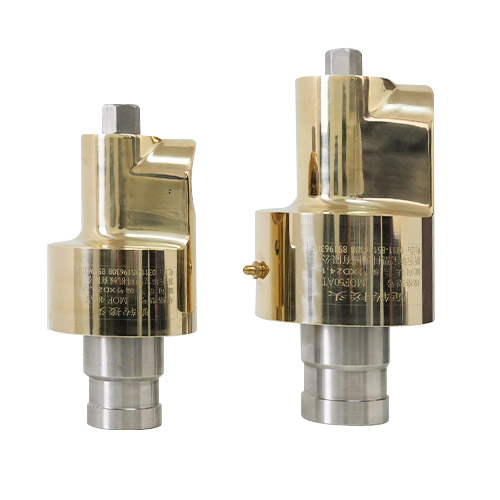
By combining two fluid paths into one unit, systems can eliminate additional joints, reducing points of failure and simplifying piping runs. This is especially valuable in automated systems where space and wiring are at a premium.
2. Improved Reliability and Leak Prevention
Each additional rotary joint in a system introduces another potential leak point. A double passage design reduces this risk by consolidating flow paths, which improves overall system reliability.
3. Space and Cost Savings
Using a single union with two passages often reduces installation costs, space requirements, and assembly time compared to installing two separate rotary unions.
4. Optimized Performance in Multi‑Media Systems
Systems that rely on independent media streams—such as lubrication + coolant or steam + seal air—benefit from custom double passage rotary unions that precisely match operational conditions.
For a broader perspective on how rotary unions improve fluid transfer efficiency across industries, this resource provides case examples and industry contexts:
🔗 Fluid Transfer Efficiency
Industrial Applications of Double Passage Rotary Unions
Double passage rotary unions are widely applied in sectors where dual media control is required. Below are common applications with operational considerations:
A. Thermal / Heat Transfer Systems
In processes like heat exchanger rolls or dryer cylinders, one channel is used for a heating medium (such as steam), while the other handles condensate return. A double passage union simplifies the flow path and enhances temperature control consistency.
B. Steel and Aluminum Processing Lines
These processing lines often require simultaneous cooling and lubricant delivery to rotating equipment. Double passage designs improve control and durability in harsh manufacturing environments.
C. Hydraulic Presses and Forming Machines
Hydraulic fluid and cooling water can be routed through separate passages, improving overall machine uptime and thermal stability during heavy cycles.
D. Paper and Textile Machinery
Paper and textile machines often use high‑speed rolls with separate steam and vacuum lines. Double passage rotary unions facilitate dual media flow without sacrificing performance under continuous operation.
For a broader industry perspective on rotary joint use in high‑speed industrial systems, consult this technical article discussing rotary union roles and considerations:
🔗 Rotary Joint Use In High‑Speed Industrial Systems
Case Study 1: Dual‑Media Rotary Union in Heat Rolled Sheet Line
A steel producer needed to improve the conditioning process on a rolling mill. The machine required both heating and cooling circuits on the same rotating roll. Traditional single passage joints were insufficient, causing frequent leaks and maintenance downtime.
Solution: Engineers specified a custom double passage rotary union with balanced seals for steam in one channel and cooling water in the other. Seal materials were chosen based on temperature and media chemistry.
Results:
- Leak incidents reduced by 45%
- Maintenance intervals extended by 30%
- Overall production uptime improved by 20%
Case Study 2: Lubrication and Cooling in Heavy Press Equipment
A heavy forming press used separate lines for coolant and lubricant in its rotating slide assembly. Installing two individual rotary joints consumed valuable space and introduced potential misalignment issues.
Solution: A custom double passage rotary union integrated both fluid paths into one assembly, matched to the press’s operating RPM and fluid pressure profiles.
Results:
- Installation time reduced by 40%
- System alignment improved
- Equipment thermal stability increased, reducing cycle variations
Case Study 3: Paper Calender Roll with Dual Vacuum and Steam Paths
In paper calendering, both vacuum and steam must be delivered to different zones of the rotating roll. Standard unions required complex multi‑joint piping.
Solution: Engineers implemented a double passage design with independent paths for vacuum and steam, allowing precise control over each zone.
Results:
- Quality consistency improved
- Maintenance complexity reduced
- Energy efficiency gains observed due to better thermal management
Technical Specification and Selection Criteria
Choosing the right double passage rotary union involves balancing several performance factors:
| Selection Factor | Impact | Typical Range |
|---|---|---|
| Media Type | Affects seal material and body choice | Water, steam, hydraulic oil, air |
| Operating Pressure | Defines seal design and body strength | 0.5–10+ MPa |
| Temperature Range | Influences material choice | -40°C–400°C |
| Rotational Speed (RPM) | Bearings and dynamic balancing | 0–4000+ RPM |
| Mounting Geometry | Affects size and alignment | Flange/Threaded/Custom |
This table assists engineers in narrowing down the right configuration based on system needs.
Materials and Sealing Options
Different materials and sealing technologies can be applied to double passage rotary unions depending on system demands:
- Stainless steel bodies – For corrosion resistance
- High alloy steels – For high pressure or abrasion
- PTFE seals – For chemical compatibility
- Graphite/metal composite seals – For high temperature stability
Installation and Maintenance Best Practices
To ensure long service life and optimal performance:
- Verify Alignment – Misalignment can cause premature wear of seals and bearings.
- Follow Torque Recommendations – Proper tightening prevents distortion.
- Schedule Regular Inspections – Detect early signs of leakage or wear before failure.
- Monitor Operating Conditions – Keep an eye on temperature, pressure spikes, and RPM fluctuations.
Following these practices minimizes unscheduled downtime and reduces lifecycle costs.
Conclusion
Double passage rotary unions provide a robust, space‑saving, and high‑performance solution for complex industrial systems requiring multi‑media transfer. By understanding their construction, advantages, and selection criteria, engineers can significantly improve system reliability and efficiency.
For expert guidance on specifying and sourcing the right double passage rotary unions tailored to your application, visit our double passage rotary unions page at Shandong Xiandai Sealing Technology Equipment Co., Ltd. and explore custom rotary solutions designed specifically for your needs.
FAQ
What is a double passage rotary union used for?
It allows two media streams to transfer independently through one rotating joint, ideal for systems needing simultaneous fluids or gases.
How do I choose seal materials for my application?
Select based on temperature, media chemistry, and pressure—stainless steel with PTFE is common for water and air, while graphite composites suit higher temperatures.
Can double passage rotary unions handle high speeds?
Yes, but speed limits depend on bearing selection and dynamic balance. Always confirm RPM ratings with your manufacturer.
Do double passage unions require special maintenance?
Maintenance is similar to single passage units, but periodic checks are essential due to increased complexity.
Are custom designs available for unique configurations?
Yes, custom rotary unions can be engineered to fit specific mounting geometries, media types, and operational conditions.
Latest News
Insights & Innovation
