



.jpg)
Table of Contents
Hydraulic systems are at the heart of modern machinery, powering equipment across industries from manufacturing to energy generation. A critical component ensuring smooth operation and reliable performance is the rotary union hydraulic. If you are responsible for maintaining or designing hydraulic machinery, understanding the nuances of hydraulic rotary unions is essential. Selecting the right union can drastically improve system efficiency, reduce maintenance costs, and extend equipment life.
Modern hydraulic systems demand components that can withstand high pressures, rapid rotation, and various environmental conditions. In this article, we explore how rotary union hydraulics function, the key factors you should consider when selecting one, and real-world examples of performance optimization.
Understanding Rotary Union Hydraulic
A rotary union hydraulic enables the transfer of pressurized hydraulic fluid between stationary and rotating components. Without it, rotating machinery like hydraulic motors or swiveling arms would suffer from leaks, friction, and potential system failures.
Key considerations for hydraulic rotary unions include:
- Operating pressure range
- Fluid compatibility
- Rotational speed and direction
- Environmental conditions (temperature, moisture, debris)
According to research from Fluid Power Journal, improper selection of hydraulic rotary unions contributes to nearly 30% of unscheduled maintenance in industrial equipment.
How Rotary Union Hydraulic Improve System Efficiency
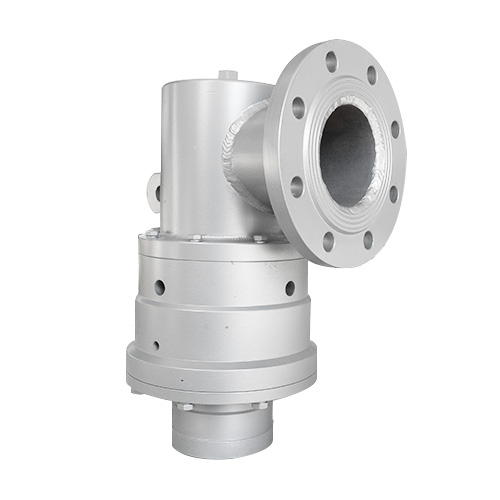
Rotary unions allow continuous fluid flow without hoses twisting or kinking. Benefits include:
- Reduced Leakage: Modern seals prevent fluid loss and contamination.
- Minimized Downtime: Easy maintenance and long-lasting components reduce operational interruptions.
- Enhanced Energy Efficiency: Less resistance in fluid pathways lowers energy consumption.
- Flexibility in Design: Engineers can incorporate rotating parts without restricting fluid paths.
For instance, in a steel manufacturing plant, replacing conventional hose connections with hydraulic rotary unions reduced downtime by 22% and improved pump efficiency by 15% over six months.
Materials and Design Considerations
The material of the union and the seal type are crucial. Common materials include:
| Material | Key Advantages | Recommended Applications |
|---|---|---|
| Stainless Steel | Corrosion resistance, durability | Offshore hydraulic machinery |
| Brass | Cost-effective, moderate strength | Medium-pressure applications |
| Carbon Steel | High-pressure strength | Heavy industrial equipment |
| Alloy Steel | High-temperature tolerance | Power generation turbines |
Seal types include PTFE, elastomeric, and metal-to-metal. PTFE is ideal for chemical compatibility and high-speed rotation, while metal-to-metal seals handle extreme pressures and temperatures.
Selecting the Right Rotary Union Hydraulic
When selecting a hydraulic rotary union, consider:
- Maximum system pressure: Exceeding the rated pressure can lead to seal failure.
- Fluid type: Compatibility prevents corrosion and maintains seal integrity.
- Rotational speed and cycles: High-speed applications require special seal designs.
- Maintenance requirements: Some designs allow easy replacement without system shutdown.
For example, a mobile hydraulic crane required a union capable of handling 3500 psi at 120 rpm. A dual-seal PTFE rotary union provided both durability and minimal leakage under these demanding conditions.
Case Study: Optimizing a Hydraulic Press
A hydraulic press manufacturer faced frequent downtime due to leaking hoses in rotating components. By switching to a high-performance hydraulic rotary union, they achieved:
- 40% reduction in maintenance time
- 25% decrease in hydraulic fluid loss
- Improved operator safety and system efficiency
The company reported significant ROI within the first year, proving that investing in the correct rotary union is cost-effective.
Maintenance Tips for Long-Term Performance
Proper maintenance extends the life of your hydraulic rotary unions:
- Regular Inspection: Check for leaks, unusual vibrations, or temperature spikes.
- Lubrication: Some unions require periodic lubrication to maintain seal integrity.
- Clean Fluids: Contaminated hydraulic fluid accelerates wear.
- Torque Checks: Ensure mounting bolts are properly tightened to prevent misalignment.
Following these guidelines can reduce unexpected failures by up to 35%, according to a Hydraulic Institute report.
Comparing Hydraulic Rotary Unions to Alternative Solutions
Alternatives like flexible hoses or slip rings often fail under high-pressure or high-speed conditions. Rotary unions provide:
- Enhanced durability
- Reduced maintenance
- Consistent fluid transfer under extreme conditions
| Feature | Hydraulic Rotary Union | Flexible Hose |
|---|---|---|
| High Pressure | Yes | Limited |
| Rotational Capability | Continuous | Restricted |
| Maintenance | Easy | Frequent |
| Life Span | Long | Moderate |
Need Help Selecting the Right Hydraulic Rotary Union? If you’re unsure which rotary union meets your hydraulic system’s needs, our experts are ready to help. Contact us today for a personalized consultation and ensure your machinery operates at peak efficiency. Don’t wait—upgrade your system now for better performance and reliability!
FAQ
How do I know which hydraulic rotary union fits my system?
Check system pressure, fluid type, rotational speed, and environmental conditions. Match these to the union’s specifications.
Can hydraulic rotary unions handle corrosive fluids?
Yes, unions made from stainless steel with PTFE seals are suitable for corrosive media.
How often should I maintain a hydraulic rotary union?
Regular inspection every 3-6 months is recommended, depending on operating conditions.
Are there dual-passage hydraulic rotary unions?
Yes, dual-passage unions allow multiple fluid lines to pass through a single rotating joint.
Can I replace the seal without removing the union?
Some designs allow seal replacement without system disassembly, improving uptime.
Need Help Selecting the Right Hydraulic Rotary Union?
If you’re unsure which rotary union meets your hydraulic system’s needs, our experts are ready to help. Contact us today for a personalized consultation and ensure your machinery operates at peak efficiency. Don’t wait—upgrade your system now for better performance and reliability!
Latest News
Insights & Innovation
