



Table of Contents
Introduction
Metal expansion joints play a crucial role in modern piping systems by absorbing thermal expansion, vibration, and mechanical movement. Selecting the right metal expansion joint ensures system efficiency, reduces maintenance costs, and extends equipment life. Before making a purchase, it’s essential to understand the technical requirements, operational conditions, and material options to ensure optimal performance.
Understanding Metal Expansion Joints
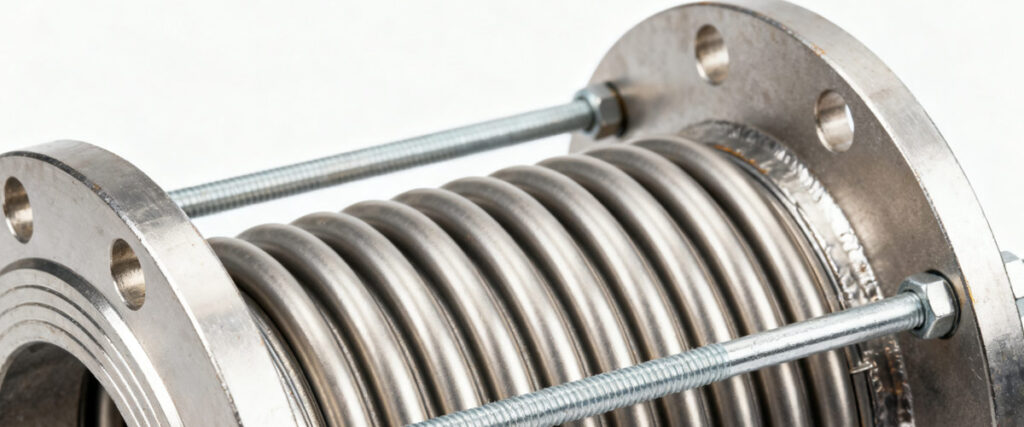
Metal expansion joints are designed to accommodate the movement and stress in piping systems. They are typically made from corrugated metal bellows and can be customized with flanges, hinges, gimbals, or other attachments depending on system requirements. Common types include single-ply, multi-ply, hinged, gimbal, and universal expansion joints. These joints function by flexing in response to thermal growth, vibrations, or angular misalignments, protecting the rest of the system from excessive stress and potential damage.
Material Selection and Corrosion Resistance
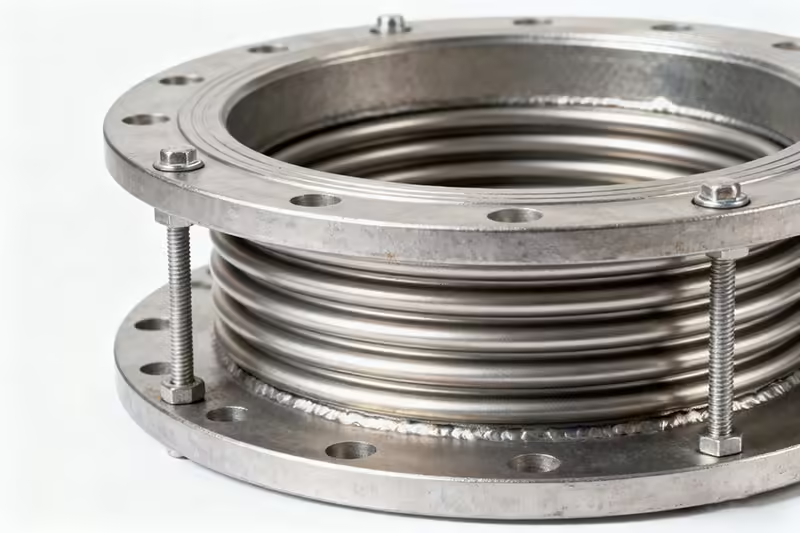
Choosing the appropriate material is essential for durability and safety. Stainless steel is widely used for its corrosion resistance, while alloy materials may be required for high-temperature or chemically aggressive environments. According to industry reports, stainless steel expansion joints can withstand temperatures up to 850°C and pressures up to 25 MPa, depending on the design. When selecting materials, consider the chemical compatibility of the conveyed media and the environmental conditions the system operates in.
Pressure and Temperature Ratings
Metal expansion joints must match the pressure and temperature requirements of the system. Exceeding these limits can lead to premature failure, leaks, or rupture. The table below summarizes typical maximum ratings for common materials:
| Material Type | Max Pressure (MPa) | Max Temperature (°C) |
|---|---|---|
| Stainless Steel | 25 | 850 |
| Alloy Steel | 30 | 900 |
| Inconel | 20 | 1000 |
| Carbon Steel | 15 | 600 |
Carefully review system specifications to ensure the expansion joint meets both the operational pressure and temperature requirements.
Movement and Flexibility Requirements
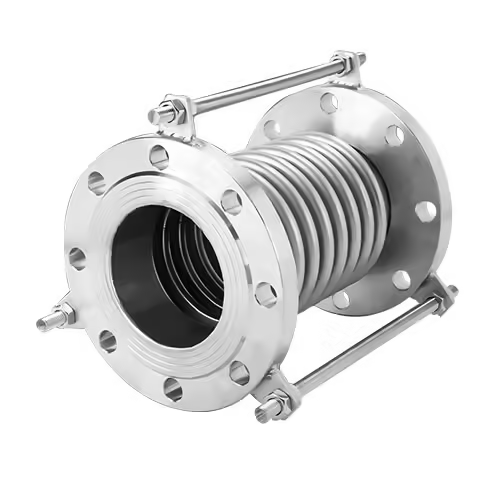
Expansion joints must accommodate axial, lateral, and angular movements of piping systems. Axial movement allows pipes to expand and contract along their length, while lateral movement compensates for misalignment or deflection. Angular movement accommodates changes in pipe orientation. Incorrectly estimating these movements can result in joint fatigue or system damage. Manufacturers often provide movement charts to help determine the proper joint configuration based on calculated thermal growth and mechanical loads.
Installation Considerations
Proper installation is critical for the longevity of metal expansion joints. Ensure the piping is correctly aligned and supported to avoid introducing additional stress. Use appropriate anchors and guides to control movement, and avoid sharp bends or torsion that could reduce the life of the joint. Regular inspection after installation helps detect early signs of wear or misalignment before they escalate into failures.
Industry Applications
Metal expansion joints are widely used across multiple industries:
- Power Plants and Energy Systems: Absorb thermal expansion in steam and hot water piping.
- Chemical and Petrochemical Industries: Resist corrosion from aggressive chemicals while allowing movement in process lines.
- HVAC and Industrial Manufacturing: Reduce vibrations from pumps, compressors, and ductwork.
Each application requires specific design considerations, including material choice, pressure rating, and movement capacity.
Maintenance and Inspection Tips
Regular maintenance extends the service life of metal expansion joints. Inspect the bellows for cracks, corrosion, and deformation, and check for leaks around flanges and connections. Ensure that anchoring and guides remain secure. Most manufacturers recommend inspections every 6–12 months, depending on operating conditions. Implementing a proactive maintenance schedule can prevent unexpected downtime and costly repairs.
Cost vs. Performance Considerations
Investing in high-quality, custom metal expansion joints may have higher upfront costs but provides long-term savings. Properly designed joints reduce maintenance, extend equipment life, and prevent unplanned outages. Evaluate cost in relation to durability, operational efficiency, and system safety rather than selecting purely based on price.
Conclusion
Selecting the right metal expansion joint is crucial for system reliability, safety, and longevity. By understanding material options, pressure and temperature limits, movement requirements, and proper installation techniques, you can ensure optimal performance. For complex or specialized systems, working with experienced manufacturers for custom solutions is highly recommended. Taking these steps helps reduce maintenance costs, extend equipment life, and improve operational efficiency. Contact us today to discuss your metal expansion joint requirements and secure a solution tailored to your system’s needs.
FAQ
How do I choose the right metal expansion joint?
Consider material compatibility, pressure and temperature ratings, movement requirements, and installation conditions.
How often should expansion joints be inspected?
Typically every 6–12 months, depending on system conditions and operating stress.
Can metal expansion joints handle high-temperature fluids?
Yes, materials like stainless steel, alloy steel, and Inconel can handle high temperatures up to 1000°C based on design.
What types of movement can these joints accommodate?
Axial, lateral, and angular movements are supported depending on the joint type and configuration.
Are custom designs necessary for all applications?
Customization ensures the joint meets exact operational requirements, especially in high-pressure, high-temperature, or chemically aggressive systems.
Need Help Selecting the Right Metal Expansion Joint?
If you’re unsure which metal expansion joint is best for your piping system or application, our experts are here to guide you. Contact us today for a personalized consultation, and ensure your system operates safely and efficiently. Don’t wait for unexpected downtime—get in touch now to protect your equipment and optimize performance!
Latest News
Insights & Innovation
