


Table of Contents
When it comes to fluid and gas transfer systems, ensuring durability, flexibility, and leak-free performance is critical. If you’re responsible for designing, maintaining, or optimizing piping systems, you’ve probably faced challenges with vibration, high pressure, or thermal expansion. That’s where corrugated metal hoses come into play. By allowing controlled flexibility without compromising strength, these hoses provide solutions for demanding industrial environments.
In this guide, you’ll learn how to select the right corrugated metal hose, understand key performance factors, explore real-world applications, and make informed decisions to extend equipment life and reduce downtime.
Why Corrugated Metal Hoses Are Essential in Industrial Systems
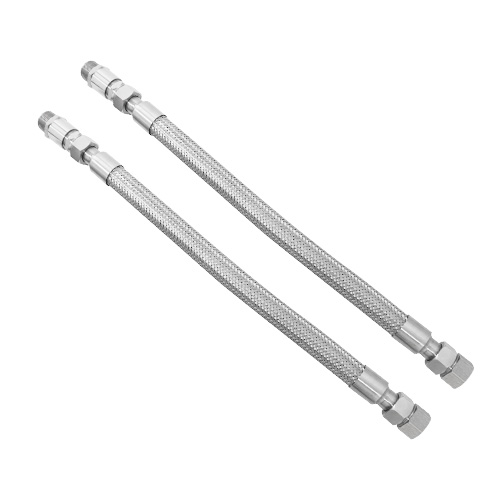
Corrugated metal hoses are flexible pipelines made from stainless steel or other metals, designed to absorb movement, vibration, and thermal expansion. Unlike rubber or polymer hoses, their metal construction ensures high resistance to pressure, temperature extremes, and chemical exposure.
Key Benefits Include:
- Flexibility for complicated piping routes
- Resistance to high temperatures and pressures
- Reduced risk of leakage or hose rupture
- Long service life in harsh environments
For example, in chemical processing facilities, these hoses allow piping to tolerate frequent thermal cycling without leaking, avoiding costly downtime and environmental hazards.
Applications Across Industries
Chemical Processing
In chemical plants, exposure to corrosive liquids and gases requires hoses that won’t degrade or leach materials into the system. Stainless steel corrugated hoses paired with proper lining or PTFE inserts provide safe, long-term operation.
HVAC and Steam Systems
For systems with thermal expansion or vibration, corrugated hoses absorb movement without straining joints or connections. This is particularly useful in steam distribution and large heating or cooling systems.
Aerospace and Automotive
In applications with tight spaces and frequent vibration, corrugated metal hoses are used for fuel lines, exhaust gas recirculation, and hydraulic connections. Their ability to maintain integrity under repeated motion is crucial for safety.
How to Select the Right Corrugated Metal Hose
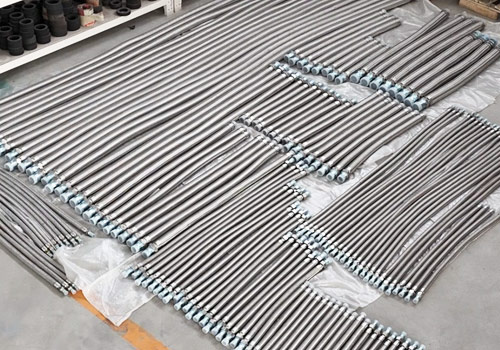
Choosing the correct hose is not just about diameter or length. Consider these factors:
| Factor | Consideration | Impact |
|---|---|---|
| Material | Stainless steel, Inconel, brass, or copper | Determines chemical compatibility and temperature tolerance |
| Pressure Rating | Operating and burst pressures | Ensures safety and prevents hose rupture |
| Temperature Range | Max and min operating temperatures | Avoids material fatigue or failure |
| End Fittings | Flanged, threaded, welded, or quick-connect | Ensures leak-free integration into your system |
| Movement Type | Axial, lateral, angular | Defines hose flexibility and prevents overstrain |
| Braiding | Single, double, or reinforced | Adds pressure resistance and prevents elongation |
By evaluating each factor in the context of your system, you can prevent common failures like kinking, fatigue cracking, or premature leaks.
Real-World Case Study: Chemical Plant Upgrade
A chemical processing plant needed to replace multiple rigid connections in their high-temperature, corrosive pipeline system. Engineers opted for stainless steel corrugated metal hoses with double braid reinforcement.
Results:
- Reduced installation time by 40% due to flexible routing
- Eliminated leaks in previously problematic areas
- Increased system uptime and reduced maintenance costs
This demonstrates how the right hose selection can have immediate, measurable operational benefits.
Installation Best Practices
- Avoid over-bending or twisting during installation.
- Support the hose adequately to prevent sagging.
- Use compatible end fittings for the material and pressure rating.
- Regularly inspect hoses for signs of fatigue, abrasion, or corrosion.
Proper installation ensures you maximize the hose’s lifespan and maintain system safety.
Maintenance and Lifespan Optimization
Even though corrugated metal hoses are highly durable, routine checks improve reliability:
- Inspect outer braid for fraying or damage
- Check for leakage at joints and fittings
- Monitor system pressure and temperature deviations
- Replace hoses showing signs of metal fatigue or corrosion
Proactive maintenance reduces the risk of unexpected failures and downtime.
Cost vs. Performance Considerations
While metal hoses may have a higher upfront cost than polymer hoses, their longevity and reliability provide better long-term value. For critical systems where downtime is expensive or safety is paramount, investing in high-quality corrugated metal hoses pays off.
Conclusion
Choosing the right corrugated metal hose is critical to maintaining system efficiency, safety, and reliability. From chemical processing to HVAC, aerospace, and automotive applications, these hoses provide flexible, durable solutions to industrial piping challenges. By considering material, pressure rating, temperature, and installation practices, you can ensure optimal performance and longevity of your system.
For further guidance and to explore a wide range of customizable options, contact Modern Sealing today. Our experts will help you select the ideal corrugated metal hose tailored to your specific industrial application, minimizing downtime and maximizing safety.
FAQ
What materials are best for corrosive environments?
Stainless steel and Inconel are preferred for resistance to acids, alkalis, and other aggressive chemicals. PTFE-lined hoses can add an extra barrier.
How do I choose the correct hose length?
Consider both the system routing and the hose’s movement capabilities. Measure straight-line distance and add extra length for expansion and flex.
Can corrugated hoses handle high pressures?
Yes, braided hoses in particular can withstand significant internal pressures, with ratings clearly defined by manufacturer specifications.
How often should I replace my metal hose?
Replacement depends on system conditions. Visual inspections and monitoring for fatigue or leaks help determine the right interval.
Are these hoses compatible with all fittings?
Corrugated hoses come with various end options—threaded, welded, or flanged. Match fittings to the material and pressure rating for safe operation.
Latest News
Insights & Innovation
