



Table of Contents
Introduction
Rotating joints are essential components in systems where fluids or gases must pass between stationary and rotating parts. At Modern Sealing, we work with engineers every day who face problems caused by selecting the wrong rotating joint for their equipment. This guide brings together field experience, engineering best practices, and performance data to help you make informed decisions that improve equipment reliability and reduce operational downtime.
Understanding What Rotating Joints Do
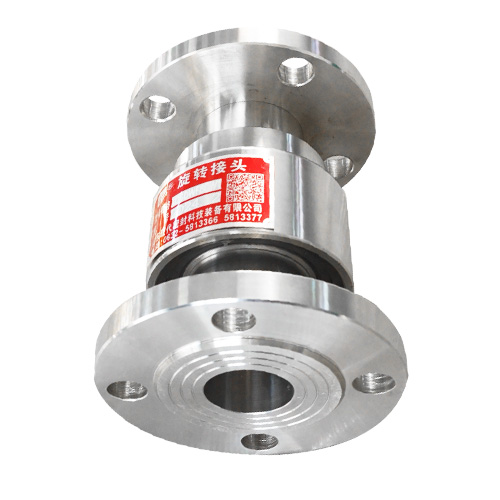
Rotating joints allow media such as water, steam, thermal oil, compressed air, or chemicals to move through rotating machinery without leakage. Their function is simple, but the conditions they must withstand—high pressure, high temperature, fast rotation, or corrosive media—make proper selection essential.
How They Transfer Media Through Rotating Components
Rotating joints rely on precision sealing between a rotating component and a stationary housing. Seal performance and bearing stability determine how well the joint manages friction, thermal expansion, and pressure changes during operation.
Industries That Depend Heavily on Rotating Joints
Rotating joints are widely used in dryers, reactors, cooling systems, hydraulic equipment, textile machines, paper rollers, and thermal oil heaters. Any system requiring continuous rotation and fluid transfer relies on them to maintain efficiency and safety.
Key Technical Factors to Consider
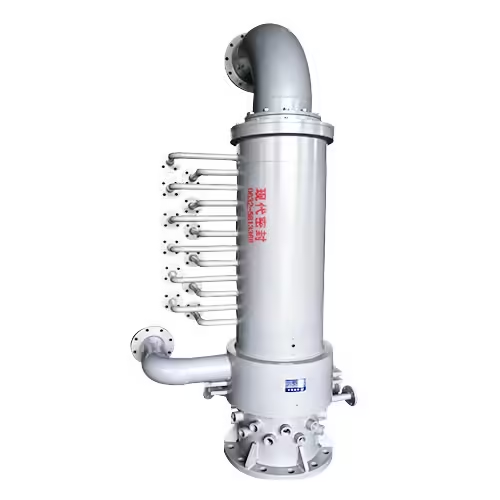
Media Type: Steam, Water, Thermal Oil, Air, Chemicals
Different media place different demands on rotating joints. Steam requires excellent temperature stability, while chemicals demand corrosion-resistant materials. Thermal oil applications need seals that can tolerate expansion and viscosity changes.
Pressure, Temperature, and RPM Requirements
Engineering data shows that the combination of pressure, temperature, and rotational speed is the most important factor affecting joint longevity. Higher RPM increases friction and seal wear, while extreme temperatures require stable sealing materials.
Seal Material Selection
Choosing the right seal material dramatically impacts performance.
- Carbon graphite offers durability for high temperature.
- PTFE works well with chemicals and low-friction requirements.
- Mechanical seals deliver stability for high-pressure or high-speed systems.
Design Types of Rotating Joints
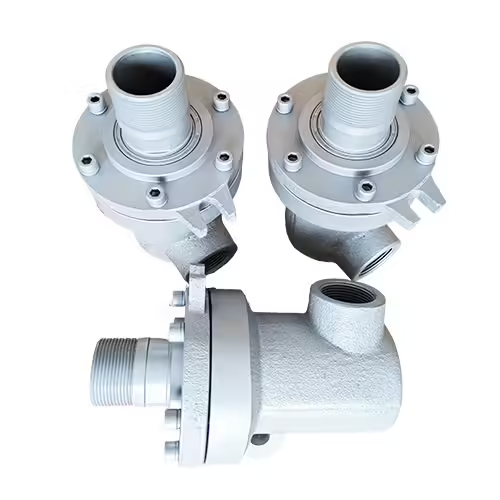
Single-Flow vs Dual-Flow
Single-flow designs handle basic supply lines, while dual-flow joints allow supply and return media through the same joint, improving system efficiency.
Self-Supported vs External Bearing Designs
Self-supported designs suit moderate speeds and pressures. External bearing types improve stability for high-speed or heavy-duty applications.
Table: Comparison of Common Rotating Joint Specifications
| Specification | Standard Rotating Joints | High-Temperature Joints | High-Speed Joints |
|---|---|---|---|
| Operating Temp | Up to 180°C | Up to 350°C | Up to 220°C |
| Max Pressure | 10–25 bar | 25–40 bar | 10–20 bar |
| Typical Media | Water, air | Steam, thermal oil | Cooling water, lubricants |
| Seal Type | PTFE or carbon | Graphite or mechanical | Low-friction carbon/PTFE |
| Typical Use | General machinery | Dryers, reactors | High-RPM rollers |
Common Causes of Rotating Joint Failure
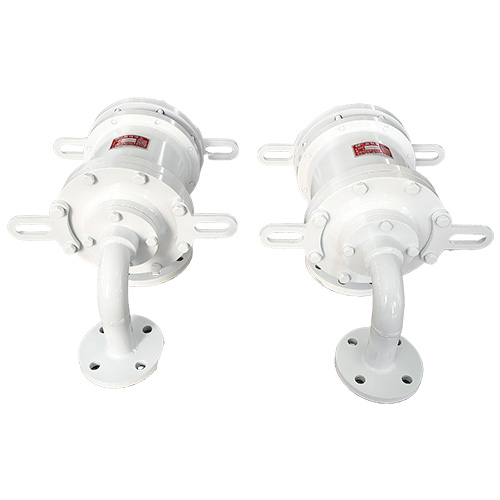
Seal Wear
Seal degradation is the most common failure point. According to reliability studies, worn seals account for over 60% of rotating joint malfunctions.
Misalignment
Misalignment increases friction and causes uneven wear on bearings and seals, reducing service life significantly.
Improper Lubrication
Lack of lubrication causes heat buildup and accelerates wear, especially in high-speed applications.
Incorrect Pressure Selection
Selecting a joint that cannot withstand system pressure leads to deformation, leakage, or catastrophic seal failure.
When to Consider Custom Rotating Joints
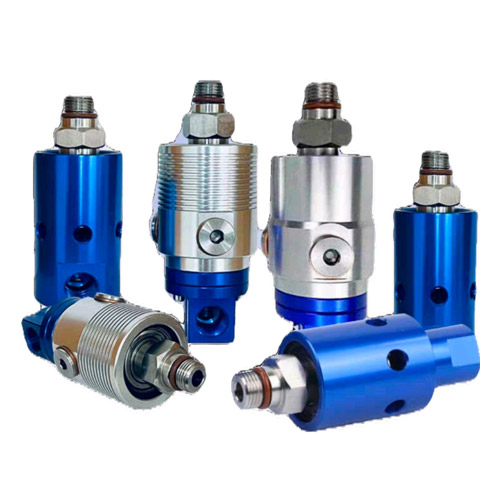
Non-Standard Pressure and Temperature
If your system operates outside standard design limits, custom materials, seal configurations, or reinforced housings may be required.
Special Media or Corrosion Requirements
Chemical processing, high-salt environments, or aggressive thermal fluids benefit from custom metallurgy or specialized coatings.
Long-Distance or High-Vibration Installations
For equipment with extended shafts or significant vibration, external-bearing or reinforced-body rotating joints ensure better performance.
Installation and Maintenance Tips for Longer Service Life
To extend service life, ensure proper alignment during installation, maintain lubrication schedules, and verify torque values according to manufacturer recommendations. Routine inspection helps you detect early wear before it affects system performance. Proper installation alone can increase rotating joint life by up to 40%, according to field maintenance data.
Conclusion
Selecting the right rotating joints ensures optimal system performance, prevents leakage, and reduces unplanned downtime. By understanding your media type, pressure and speed requirements, and environmental conditions, you can choose a solution that delivers long-term reliability.
If you need help specifying rotating joints, our engineering team is ready to support your project.
FAQ
What are rotating joints used for?
Rotating joints are used to transfer fluids or gases between stationary and rotating parts in industrial machinery, enabling smooth motion without leaks.
How do I choose the right rotating joint for my system?
Consider factors like pressure, temperature, media type, rotational speed, and material compatibility to select a joint that ensures reliable performance.
What materials are commonly used for rotating joint?
Common materials include stainless steel, brass, and carbon steel, often combined with seals like PTFE or graphite for durability and chemical resistance.
How do rotating joint affect equipment longevity?
Properly selected and maintained rotating joints reduce wear, prevent leaks, and minimize downtime, directly extending equipment service life.
Can rotating joints handle high-pressure or high-temperature applications?
Yes, specialized rotating joints are designed for extreme conditions. High-quality materials and sealing technologies allow safe operation under demanding pressures and temperatures.
Need Help Choosing the Right Rotating Joints?
If you’re unsure which rotating joint configuration fits your equipment, our experts can guide you through material selection, sizing, and design requirements. Contact us today for a professional consultation and ensure your system operates safely, efficiently, and without interruption.
Latest News
Insights & Innovation
