
-
هاتف: +86-13581108878
-
بريد إلكتروني: 13581108878@163.com



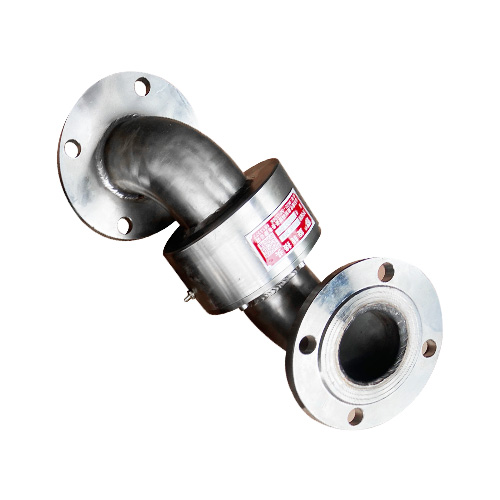
The fluid power industry relies heavily on the seamless transfer of energy from stationary power sources to rotating work units. In heavy machinery such as excavators, cranes, and specialized rotating platforms, this energy transfer occurs at the machine’s central pivot point. The S-type central swivel joint is a precision-engineered solution designed to meet the demanding requirements of continuous 360-degree rotation while maintaining the integrity of the hydraulic system. This article will explore how this component optimizes fluid transmission through materials science, precision engineering, and specialized surface treatment technologies.
جدول المحتويات
The Engineering Principle Behind S-Type Central Swivel Joints
The fundamental challenge in any rotating hydraulic system is preventing the entanglement of hoses while ensuring a constant flow of high-pressure oil. The S-type central swivel joint addresses this by acting as a multi-channel manifold. It allows the upper structure of a machine to rotate indefinitely relative to the lower chassis without compromising the hydraulic circuits.
Unlike standard rotary unions designed for high-speed, low-torque applications, the S-type is engineered for reciprocating swing and low-speed operation. This is critical because heavy machinery often moves in short, deliberate arcs rather than constant high-speed revolutions. The internal geometry of the S-type is optimized to reduce turbulent flow and pressure drops as the fluid moves from the center stem through the radial ports. By minimizing internal resistance, the system ensures that the hydraulic actuators receive maximum power with minimal heat generation.
Aerospace-Grade Sealing for Maximum Reliability
In hydraulic systems, the seal is the first line of defense against system failure. Standard industrial seals often degrade quickly when exposed to the high-pressure spikes and abrasive particles common in construction and mining environments. To counter this, premium S-type central swivel joints utilize imported aerospace-grade material seal rings.
These materials are selected for their exceptional thermal stability and low coefficient of friction. According to technical reports on polymer elasticity in aerospace applications, these high-performance seals can maintain their structural memory even after millions of reciprocating cycles. The use of such materials ensures that the contact interface between the rotating stem and the housing remains fluid-tight. This level of sealing stability is what allows the joint to achieve an extended service life, as it prevents the catastrophic internal leakage that often plagues lower-quality components. When you invest in aerospace-grade sealing, you are effectively reducing the frequency of unplanned maintenance intervals.
Enhancing Stability with High-Precision Bearing Support
While the seals prevent leakage, the bearings ensure mechanical stability. An S-type central swivel joint must support significant axial and radial loads, especially when the machine is operating on uneven terrain or lifting heavy loads at an angle. High-precision bearing support is integrated into the design to maintain perfect alignment between the internal spool and the outer housing.
If the alignment shifts by even a fraction of a millimeter, the seals will experience uneven wear, leading to premature failure. Precision bearings reduce the rotational torque required to turn the joint, which in turn reduces the strain on the machine’s hydraulic swing motor. This synergy between the bearing and the seal creates a stable environment where the internal components can function without the vibration or friction-induced heat that typically degrades hydraulic oil.
Customization Options: Material and Housing Varieties
Buyers often operate in diverse environments, ranging from sub-zero arctic conditions to corrosive offshore platforms. A one-size-fits-all approach rarely works for complex hydraulic systems. Therefore, the S-type central swivel joint is designed with a focus on material versatility. The housing can be customized using a variety of materials depending on the specific stress and environmental factors of the application.
For instance, alloy steel housings provide the high tensile strength required for high-pressure mining equipment, while specialized stainless steel variants might be chosen for marine applications where salt spray is a constant threat. This ability to tailor the metallurgy of the joint ensures that the component does not become the weak link in the machine’s assembly. Providing custom-fit solutions allows engineers to match the component’s durability directly to the machine’s expected workload.
Advanced Surface Treatment: The Benefits of Full-Body Electroplating
The exterior of a swivel joint is often exposed to dust, moisture, and chemical contaminants. To prevent oxidation and surface degradation, high-quality S-type joints undergo a comprehensive full-body electroplating process. This is not merely for aesthetics; it serves a functional role in the component’s longevity.
Electroplating creates a hard, corrosion-resistant barrier that protects the base metal. Research in metallurgical surface protection indicates that electroplated coatings can increase surface hardness by a significant margin, providing an extra layer of defense against physical impacts and abrasive debris. This treatment ensures that the exterior remains intact over years of service, preventing rust from creeping into the seal areas or mounting threads. A well-protected exterior is often a reliable indicator of the precision engineering found on the inside.
Technical Specifications and Product Parameters
To understand the operational capacity of these units, it is essential to look at the standardized parameters that define their performance. The following table illustrates the typical specifications for a high-performance S-type central swivel joint.
| مفصل دوار مركزي من النوع S | |
| السرعة القصوى | 30 دورة في الدقيقة |
| أقصى درجة حرارة | 200 درجة مئوية |
| أقصى ضغط | 5 ميجا باسكال |
| الوسائط القابلة للتطبيق | الغاز والماء والفراغ |
Why Long Service Life is the Ultimate ROI for Buyers
For large enterprises, the purchase price of spare parts accounts for only a small fraction of their actual costs. The real cost lies in downtime. When a central rotary joint fails, the entire machine becomes inoperable until the part is replaced, which typically requires significant manpower and resources and results in lost productivity. S-type central rotary joints prioritize sealing stability and long service life, offering an excellent return on investment (ROI).
By using parts with longer rated lifespans, businesses can shift from reactive to predictive maintenance. According to industrial asset management research, even extending the lifespan of critical hydraulic components by 20% can significantly reduce the total cost of ownership over the machine’s entire lifecycle.
Real-World Applications: Where the S-Type Central Swivel Joint Excels
The versatility of the S-type design makes it the preferred choice across several demanding industries. In construction machinery, it is the standard for excavators, allowing the cabin and boom to rotate while the tracks remain stationary. In the mining sector, rotary drilling rigs depend on these joints to feed high-pressure hydraulic lines to the drill head while it maintains a constant rotation.
Furthermore, 360-degree rotating platforms used in factory automation and material handling require the compact and reliable fluid transfer that only an S-type joint can provide. Even specialized engineering vehicles, such as aerial work platforms and truck-mounted cranes, utilize these joints to ensure that operators have smooth, consistent control over the machine’s movements regardless of the rotation angle. The design’s ability to handle high pressure in a compact footprint makes it indispensable for modern engineering.
Maintenance Best Practices for S-Type Central Swivel Joints
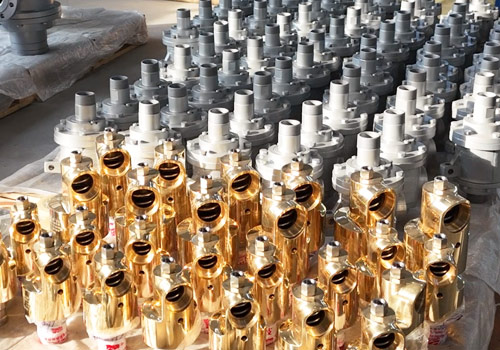
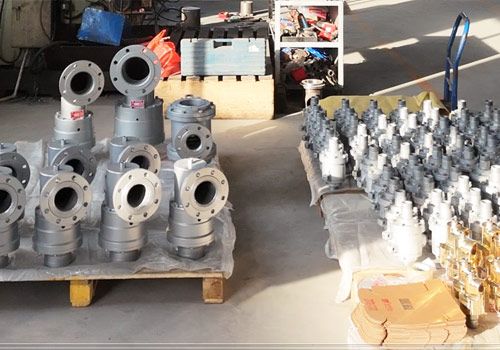
To ensure that an S-type central swivel joint reaches its maximum potential lifespan, a disciplined maintenance routine is required. The most critical factor is hydraulic fluid cleanliness. Because the joint relies on high-precision bearings and aerospace seals, even small particles of contamination can act as abrasives, scoring the internal surfaces and leading to leaks.
Regular inspections should focus on checking for any signs of external weeping around the mounting flanges. While the full-body electroplating protects against rust, operators should still ensure that the area around the joint is kept free of heavy debris buildup, which can trap heat and accelerate seal aging. Additionally, monitoring the rotational torque of the machine can provide early clues; if the upper structure begins to feel sluggish or requires more power to rotate, it may indicate that the internal bearings are reaching the end of their service life. Addressing these issues early prevents minor wear from turning into a major system failure.
خاتمة
The S-type central swivel joint is more than just a connector; it’s a precision-designed component that determines the efficiency and reliability of rotary hydraulic machinery. Utilizing aerospace-grade materials, advanced surface treatments, and robust mechanical support, this joint optimizes fluid transfer in ways unmatched by standard components. For professionals, choosing a joint that prioritizes seal stability and long-term durability is the most effective way to ensure operational success and minimize long-term costs.
التعليمات
What is the main advantage of using an مفصل دوار مركزي من النوع S in heavy machinery?
The S-type central swivel joint is specifically engineered for reciprocating swing and low-speed operation. Its primary advantage lies in its ability to maintain stable hydraulic fluid transfer across multiple independent channels during continuous 360-degree rotation, preventing hose entanglement and ensuring consistent power delivery to the machine’s lower chassis.
How do aerospace-grade seal rings improve the performance of a swivel joint?
Imported aerospace-grade seal rings offer superior thermal stability and wear resistance compared to standard industrial seals. These high-performance materials ensure a tighter, more durable seal under high-pressure conditions, significantly reducing internal leakage and extending the overall service life of the hydraulic system in harsh environments.
Can the housing material of the S-type central swivel joint be customized for specific environments?
Yes. To meet diverse industrial requirements, the housing can be manufactured from various materials, including high-strength alloy steel for heavy-duty mining or specialized corrosion-resistant alloys for maritime applications. This customization ensures the joint can withstand specific mechanical loads and environmental stressors.
What role does full-body electroplating play in product longevity?
Full-body electroplating provides a comprehensive protective barrier against oxidation, rust, and chemical corrosion. Beyond its functional protection, this surface treatment increases the exterior hardness of the S-type central swivel joint, shielding it from physical impacts and abrasive debris common on construction sites.
How does high-precision bearing support affect the operation of the joint?
High-precision bearings provide critical mechanical support that maintains perfect alignment between the internal stem and the housing. By reducing rotational torque and absorbing axial and radial loads, these bearings ensure smooth rotation, minimize vibration, and prevent uneven wear on the internal sealing components.
أحدث أخبار
الرؤى والابتكار
