
-
هاتف: +86-13581108878
-
بريد إلكتروني: 13581108878@163.com



جدول المحتويات
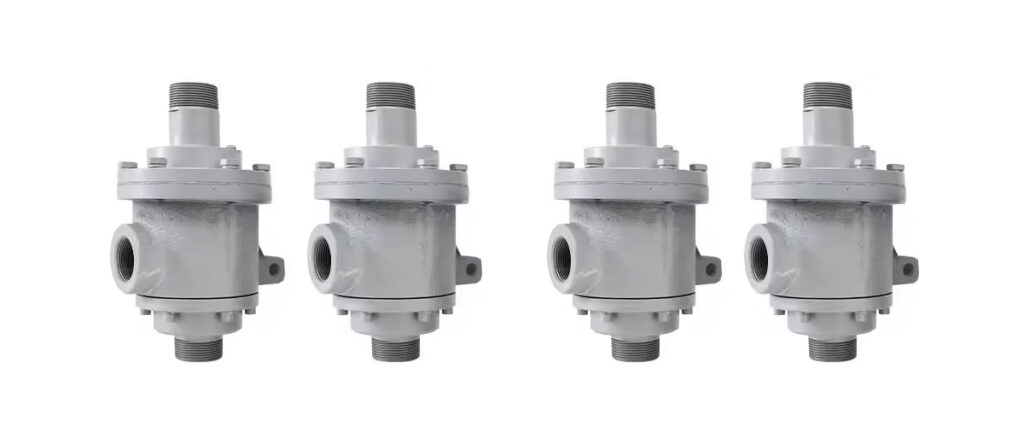
في العديد من التطبيقات الصناعية، تؤثر كفاءة وموثوقية أنظمة نقل السوائل بشكل مباشر على جودة الإنتاج ووقت التشغيل التشغيلي. إذا كنت تدير آلات عالية السرعة أو أنظمة هيدروليكية أو معدات آلية، فإن اختيار المفصل الدوار المناسب أمر بالغ الأهمية. من بين التصميمات المختلفة، برز المفصل الدوار من النوع Q كحل متعدد الاستخدامات لنقل السوائل عالي السرعة وعالي الدقة.
في هذا الدليل الشامل، سوف تكتشف الميزات التقنية والتطبيقات الواقعية ونصائح الاختيار واستراتيجيات الصيانة ومعايير الأداء وصلات دوارة من النوع Q. في النهاية، سيكون لديك رؤى قابلة للتنفيذ لضمان عمل أجهزتك بأمان وكفاءة.
فهم المفصل الدوار من النوع Q
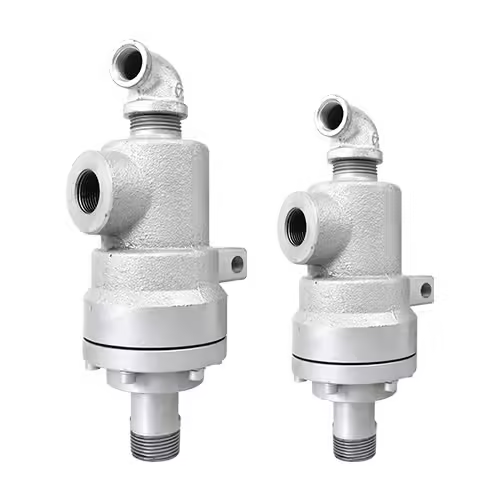
تم تصميم المفصل الدوار من النوع Q لتوفير نقل مستمر للسوائل بين خط الإمداد الثابت ومكون النظام الدوار. على عكس الوصلات الدوارة القياسية، تم تصميم النوع Q للتشغيل عالي السرعة مع الحد الأدنى من التسرب وسلامة الختم الفائقة والاهتزاز المنخفض.
وتشمل المزايا الرئيسية ما يلي:
- توصيل السوائل بشكل متسق عند عدد دورات مرتفع في الدقيقة
- عمر خدمة ممتد مع الحد الأدنى من الصيانة
- مقاومة للتآكل والتآكل، مناسبة للماء والزيت والوسائط الكيميائية
- تصميم مدمج لمساحات التثبيت الضيقة
هذه الفوائد تجعل الوصلات الدوارة من النوع Q مثالية لتصنيع CNC، والمطابع، ومعالجة الفولاذ، وأنظمة التبريد الآلية.
المواصفات والميزات الفنية
عند تقييم الوصلات الدوارة من النوع Q، ضع في اعتبارك الجوانب الفنية التالية
| مواصفة | النطاق النموذجي | أهمية |
|---|---|---|
| سرعة الدوران | ما يصل إلى 12000 دورة في الدقيقة | يضمن أداء المفصل دون تسرب أو اهتزاز |
| معدل التدفق | 5 · 50 لتر/دقيقة | يوفر نقلًا كافيًا للسوائل لتبريد النظام أو تشحيمه |
| ضغط التشغيل | 0 ارسال25 بار | يمنع تلف المفاصل أو النظام بسبب الضغط الزائد |
| مواد | الفولاذ المقاوم للصدأ، سبائك عالية الجودة | يقاوم التآكل ويطيل عمر الخدمة |
| نوع الختم | PTFE، الجرافيت، الأختام الميكانيكية | يمنع التسربات تحت الدوران عالي السرعة |
| نطاق درجة الحرارة | من -20 درجة مئوية إلى 200 درجة مئوية | يضمن التشغيل الموثوق به في بيئات متنوعة |
ومن خلال مراجعة هذه المعلمات وفقًا لمتطلباتك التشغيلية، يمكنك تجنب حالات الفشل الشائعة وتحسين كفاءة النظام.
تطبيقات في مختلف الصناعات
CNC ومراكز التصنيع
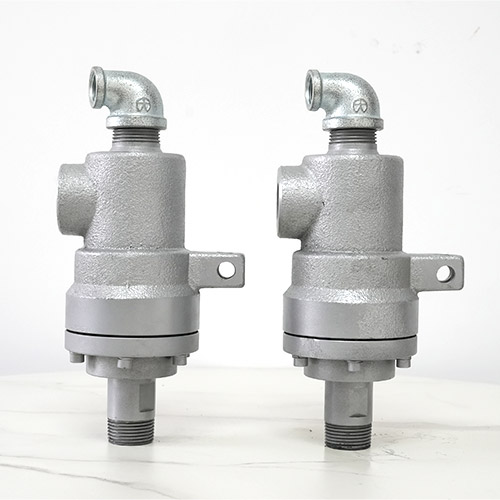
تتطلب المغازل عالية السرعة تبريدًا دقيقًا لمنع ارتفاع درجة الحرارة وضمان دقة التشغيل. يوفر المفصل الدوار من النوع Q الماء أو سائل التبريد باستمرار، مما يقلل من التمدد الحراري وتآكل الأداة.
صناعة الطباعة والورق
تستفيد البكرات الدوارة في المطابع من نقل الماء بشكل موحد لتجنب تزييف الورق أو عدم تناسق الحبر. تحافظ الوصلات الدوارة من النوع Q على تدفق ثابت، حتى عند سرعات الدوران العالية.
معالجة المعادن
تتطلب براميل التبريد الدوارة في معالجة الفولاذ أو الألومنيوم توصيلات سائلة متينة. توفر الوصلات من النوع Q عملية خالية من التسرب، وتحافظ على تبريد موحد عبر سطح الأسطوانة.
صناعة الأغذية والمشروبات
تعتبر الوصلات الدوارة من النوع Q مناسبة لأنظمة المياه الصحية وسوائل التنظيف، مما يضمن التشغيل الخالي من التلوث أثناء التعامل مع العمليات الدوارة عالية السرعة.
دراسة حالة في العالم الحقيقي: تبريد المغزل عالي السرعة
تعرض أحد مصانع التصنيع لارتفاع درجة حرارة المغزل بشكل متكرر بسبب عدم كفاية التبريد من المفصل الدوار القياسي. أدى ذلك إلى تآكل الأداة وعدم اتساق جودة الأجزاء.
تم تنفيذ الحل:
- وصلات دوارة من النوع Q مثبتة بمعدل 10000 دورة في الدقيقة
- المواد: الفولاذ المقاوم للصدأ مع أختام PTFE لمقاومة التآكل
- معدل التدفق الأمثل للحفاظ على درجة حرارة المغزل ثابتة
نتيجة:
- تم تقليل وقت التوقف عن العمل بمقدار 50%
- تم تمديد عمر الأداة بمقدار 25%
- تحسين الدقة في الأجزاء المصنعة
يوضح هذا كيف يؤدي اختيار المفصل الدوار الصحيح من النوع Q إلى تحسين الإنتاجية والموثوقية التشغيلية.
إرشادات التثبيت والمحاذاة
التثبيت الصحيح يزيد من عمر الوصلات الدوارة من النوع Q:
- قم بمحاذاة المكونات الثابتة والدوارة بعناية لتجنب إجهاد المحاذاة غير الصحيحة.
- تأكد من دعم الأنابيب المتصلة بالمفصل لمنع نقل الاهتزاز.
- التحقق من معدل التدفق وإعدادات الضغط قبل التشغيل الكامل.
- تجنب الحواف المفرطة في الشد أو التوصيلات الملولبة.
يؤدي اتباع هذه الممارسات إلى تقليل متطلبات الصيانة ويمنع فشل المفاصل المبكر.
أفضل ممارسات الصيانة
الفحص الروتيني يضمن الأداء على المدى الطويل:
- تحقق من الأختام والمحامل بحثًا عن التآكل أو التلف
- مراقبة معدلات التدفق والضغط مقابل مواصفات التصميم
- استبدل المكونات البالية بشكل استباقي لمنع التسربات
- محامل التشحيم وفقًا لإرشادات الشركة المصنعة إن أمكن
تمنع الصيانة الدورية التوقف غير المتوقع وتضمن التشغيل الآمن في الأنظمة عالية السرعة.
التحديات المشتركة وكيفية حلها
- التسرب بسرعات عالية: استخدم مادة الختم المناسبة وتأكد من المحاذاة الصحيحة.
- التآكل الناجم عن الاهتزاز: موازنة الأنابيب المتصلة المشتركة والدعم.
- ارتفاع الضغط: حدد المفاصل ذات معدل ضغط أعلى بمقدار 20 درجة 30% من الحد الأقصى لنظامك.
- تقلبات درجات الحرارة: تحقق من أن المواد المشتركة يمكنها تحمل النطاق الحراري لنظامك.
تؤدي معالجة هذه المشكلات قبل التشغيل إلى تحسين السلامة وكفاءة المعدات.
جدول اختيار المفصل الدوار من النوع Q
| طلب | المواد الموصى بها | أقصى عدد دورات في الدقيقة | معدل التدفق | نوع الختم | ملحوظات |
|---|---|---|---|---|---|
| مغازل CNC | الفولاذ المقاوم للصدأ | 10,000 | 10 لتر/دقيقة | مادة البولي تترافلوروإيثيلين | التبريد الدقيق |
| بكرات الطباعة | الفولاذ المقاوم للصدأ | 4,000 | 20 لتر/دقيقة | ميكانيكياً | تدفق المياه المستمر |
| أسطوانات التبريد | الفولاذ السبائكي | 3,000 | 50 لتر/دقيقة | مادة البولي تترافلوروإيثيلين | متانة عالية |
| مهاوي تجهيز الأغذية | الفولاذ المقاوم للصدأ | 2,500 | 15 لتر/دقيقة | الجرافيت | صحية ومقاومة للتآكل |
خاتمة
يعد اختيار المفصل الدوار المناسب من النوع Q أمرًا بالغ الأهمية لضمان الكفاءة والسلامة وطول العمر في التطبيقات الدوارة عالية السرعة. من خلال تقييم عدد الدورات في الدقيقة والمواد ونوع الختم ومتطلبات التدفق، يمكنك تجنب التوقف عن العمل وتحسين أداء النظام وتحسين جودة المنتج.
اتخذ إجراءً اليوم: قم بمراجعة الوصلات الدوارة الحالية لنظامك، وحدد الترقيات المحتملة، واستشر الخبراء على الختم الحديث لاختيار وصلات دوارة من النوع Q مصممة خصيصًا لتلبية احتياجاتك التشغيلية.
التعليمات
يستطيع وصلات دوارة من النوع Q التعامل مع السوائل الكيميائية؟
نعم، بشرط أن تكون المادة ونوع الختم متوافقين مع المادة الكيميائية المحددة. غالبًا ما يوصى باستخدام الفولاذ المقاوم للصدأ مع أختام PTFE.
كيف يمكنني تحديد تصنيف RPM الصحيح؟
قم بمطابقة الحد الأقصى لتصنيف عدد الدورات في الدقيقة للمفصل مع سرعة تشغيل نظامك، ومن الأفضل أن يكون ذلك بهامش أمان يبلغ 10 tras20%.
هل الوصلات الدوارة من النوع Q مناسبة للماء والزيت؟
نعم، فهي متعددة الاستخدامات لتطبيقات المياه وزيوت التشحيم.
ما هي مدة الخدمة النموذجية؟
مع التثبيت والصيانة المناسبة، يمكن أن تستمر الوصلات الدوارة من النوع Q لعدة سنوات في الأنظمة عالية السرعة.
كيف يمكنني منع مشاكل الاهتزاز؟
تعد المحاذاة الصحيحة والتركيب الآمن والدعم الكافي للأنابيب المتصلة أمرًا ضروريًا لمنع الاهتزاز.
أحدث أخبار
الرؤى والابتكار
