
-
هاتف: +86-13581108878
-
بريد إلكتروني: 13581108878@163.com


جدول المحتويات
مقدمة
تلعب الخراطيم المعدنية المرنة دورًا أساسيًا في أنظمة نقل السوائل الصناعية، حيث تربط المكونات التي تتعرض للاهتزاز أو الحركة أو التمدد الحراري. بدءًا من نقل البخار عالي الضغط وصولًا إلى نقل المواد الكيميائية المسببة للتآكل، توفر هذه الخراطيم متانة ومرونة لا مثيل لهما. ووفقًا لبيانات جمعية منع التسرب السائل، فإن أكثر من 601% من أعطال المعدات في أنظمة الأنابيب مرتبطة بمشاكل في التوصيلات، ويمكن تجنب الكثير منها من خلال الاستخدام السليم للخراطيم المعدنية المرنة. يُعد فهم تصميمها وتطبيقاتها وصيانتها أمرًا بالغ الأهمية لضمان سلامة وكفاءة التشغيل على المدى الطويل.
فهم خراطيم معدنية مرنة
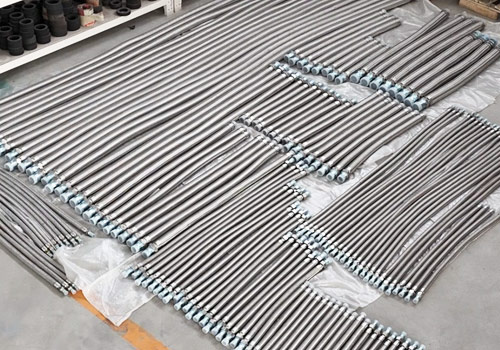
صُممت الخراطيم المعدنية المرنة لنقل السوائل تحت الضغط أو الفراغ، مع مراعاة عدم المحاذاة والاهتزازات والتغيرات الحرارية. تُصنع هذه الخراطيم من الفولاذ المقاوم للصدأ المموج أو سبائك عالية الأداء، مما يوفر مزيجًا من المرونة والقوة لا يمكن للأنابيب الصلبة تحقيقه. يسمح تصميمها المموج بالانحناء دون التواء، بينما يعزز الغلاف الخارجي مقاومتها للضغط. باختصار، تُسد الخراطيم المعدنية المرنة الفجوة بين المتانة والقدرة على التكيف في البيئات الصناعية الصعبة.
المكونات الرئيسية وخصائص الأداء
جسم الخرطوم المموج
يشكّل جسم الخرطوم المموج لبّ كل خرطوم معدني مرن. ويتألف من تموجات حلقية أو حلزونية تحدد مرونته وقدرته على تحمل الضغط. تُعدّ الخراطيم الحلقية، ذات الحواف الدائرية العمودية على محور الخرطوم، مثالية للتطبيقات التي تتطلب مرونة فائقة ومقاومة عالية للفراغ. أما الخراطيم الحلزونية، فتتميز بخصائص تدفق أفضل، وتُفضّل في أنظمة الحركة المستمرة. ويؤثر عمق هذه التموجات والمسافة بينها بشكل مباشر على عمر الخرطوم وقدرته على امتصاص الاهتزازات.
طبقة تقوية مضفرة
تعمل الطبقة المضفرة، المصنوعة عادةً من سلك الفولاذ المقاوم للصدأ، على تعزيز قدرة الخرطوم على تحمل الضغط الداخلي وتمنع استطالته تحت الضغط. تُناسب الخراطيم ذات الطبقة المضفرة المفردة الضغوط المتوسطة، بينما توفر الخراطيم ذات الطبقة المضفرة المزدوجة قوة إضافية للظروف القاسية. كما يُقلل تصميم الضفيرة المناسب من الاهتزازات ويحمي اللب المموج من التلف الميكانيكي، مما يضمن عمرًا تشغيليًا أطول.
التركيبات والوصلات الطرفية
تحدد وصلات الأطراف كيفية دمج الخرطوم مع النظام. تشمل الأنواع الشائعة الوصلات ذات الحواف، والوصلات الملولبة، والوصلات الملحومة. يعتمد اختيار الوصلة المناسبة على ضغط النظام ودرجة حرارته وتوافق المادة. تُعد الوصلات غير المتطابقة من أكثر الأسباب شيوعًا للتسربات أو التلف الناتج عن الإجهاد، مما يؤكد أهمية الهندسة والتركيب الدقيقين.
اختيار المواد
يضمن اختيار المادة المناسبة الأداء الأمثل وطول العمر في ظل ظروف تشغيل محددة. فيما يلي جدول مقارنة يلخص المواد الشائعة المستخدمة في الخراطيم المعدنية المرنة:
| مادة | أقصى درجة حرارة (°م) | معدل الضغط (بار) | مقاومة التآكل |
|---|---|---|---|
| SS304 | 450 | 150 | معتدل |
| SS316L | 550 | 200 | عالي |
| إنكونيل | 700+ | 300 | ممتاز |
لا يزال الفولاذ المقاوم للصدأ (وخاصةً النوع 316L) الأكثر استخدامًا نظرًا لتوازنه بين التكلفة ومقاومة التآكل والمتانة. أما بالنسبة للتطبيقات المتخصصة، مثل أنظمة التبريد العميق أو نقل المواد الكيميائية، فإن سبائك إنكونيل أو مونيل توفر أداءً فائقًا.
التطبيقات الصناعية لـ خراطيم معدنية مرنة
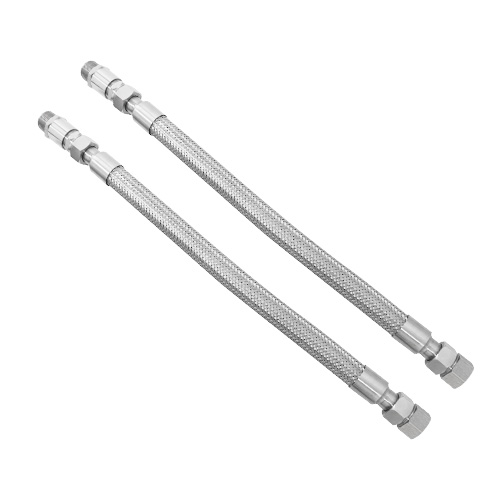
تُعد الخراطيم المعدنية المرنة جزءًا لا يتجزأ من العديد من الصناعات، حيث تقدم حلولاً حيث تفشل الأنابيب التقليدية.
أنظمة توليد الطاقة والبخار
تُستخدم هذه المواد لنقل البخار ذي درجة الحرارة العالية، وامتصاص التمدد الحراري، وعزل الاهتزازات في التوربينات والغلايات، مما يحسن السلامة والموثوقية العامة للمصنع.
الصناعات الكيميائية والبتروكيميائية
في البيئات التي يتم فيها التعامل مع المواد الكيميائية والمذيبات القوية، توفر الخراطيم المصنوعة من الفولاذ المقاوم للصدأ مقاومة كيميائية وتمنع التلوث، مما يقلل من تكاليف الصيانة ووقت التوقف.
معالجة الأغذية والأدوية
تُستخدم الخراطيم المزودة بوصلات صحية لنقل السوائل أو الغازات أو المساحيق دون المساس بالنظافة. وهي تتوافق مع معايير الصناعة لضمان نقاء المنتج.
أنظمة السيارات والفضاء
في الأنظمة الديناميكية مثل توصيل الوقود والتبريد والتحكم الهيدروليكي، تتعامل الخراطيم المعدنية المرنة مع تقلبات الضغط والاهتزاز دون تدهور.
أنظمة التدفئة والتهوية وتكييف الهواء والتبريد
تربط هذه الخراطيم الضواغط والمكثفات والمبادلات الحرارية، مما يساعد على إدارة تغيرات درجة الحرارة والاهتزازات الميكانيكية بشكل فعال.
دليل الاختيار: اختيار الخرطوم المعدني المرن المناسب
يتطلب اختيار خرطوم معدني مرن مثالي تحقيق التوازن بين الأداء والسلامة والتكلفة. إليك منهجية منظمة لاتخاذ القرار الصحيح:
الخطوة 1: تحديد ظروف التشغيل
ابدأ بنوع الوسط، والضغط، ودرجة الحرارة، ومعدل التدفق. على سبيل المثال، تتطلب خطوط البخار تحملاً أعلى لدرجات الحرارة مقارنةً بتطبيقات الزيت أو الهواء.
الخطوة الثانية: اختيار المواد والبناء
اختر مواد الخراطيم بما يتناسب مع التركيب الكيميائي للسائل ودرجة حرارة التشغيل. يُعد الفولاذ المقاوم للصدأ SS316L خيارًا متعدد الاستخدامات لمعظم الصناعات، بينما يُناسب الإنكونيل البيئات ذات درجات الحرارة العالية أو البيئات المسببة للتآكل.
الخطوة 3: تحديد حجم الخرطوم وطوله
يضمن اختيار المقاس المناسب تدفقًا سلسًا ويمنع الاضطراب. تجنب ثني الخرطوم بشكل مفرط، فقد يقلل ذلك من عمره الافتراضي بشكل كبير.
الخطوة الرابعة: اختيار وصلات النهاية المناسبة
تأكد من توافق الوصلات مع نظام التوصيل. تُعدّ الأطراف ذات الحواف مثالية لأنظمة الضغط العالي، بينما تُستخدم الوصلات الملولبة في أنظمة الضغط المنخفض.
الخطوة الخامسة: التحقق من معايير السلامة والشهادات
تأكد دائمًا من أن خراطيمك تفي بمعايير ISO أو ASTM أو EN للسلامة والأداء الصناعي.
المشاكل الشائعة والحلول
التسربات والتشققات
عادةً ما تنشأ التسريبات من الانحناء المفرط أو التركيب غير الصحيح. يساعد استخدام نصف قطر الانحناء المناسب ودعامات التثبيت على تجنب هذه المشكلات. يُعد الفحص الدوري أمرًا بالغ الأهمية لاكتشاف الشقوق الدقيقة قبل أن تتسع تحت الضغط.
الإرهاق وفشل الخراطيم
قد يؤدي الانثناء أو النبض المتكرر إلى إجهاد الخراطيم مع مرور الوقت. وتشير بيانات من تقارير الصيانة الصناعية إلى أن الترقية إلى خراطيم مزدوجة الجديلة وتركيب مخمدات الاهتزاز يمكن أن يطيل عمر الخراطيم بما يصل إلى 40%.
التلوث أو الانسداد
في الصناعات الكيميائية والغذائية، يمكن أن يؤثر التلوث سلباً على سلامة المنتج. ويساهم استخدام الخراطيم النظيفة بشكل صحيح وتطبيق عمليات التنظيف الدورية في الحد من هذه المخاطر بشكل فعال.
دراسة حالة: خرطوم معدني مرن في مصنع للمعالجة الكيميائية
واجه مصنع كيميائي أعطالاً متكررة في الخراطيم نتيجةً للضغط العالي والمواد المسببة للتآكل. بعد التحول إلى خراطيم معدنية مرنة مزدوجة الجديلة مصنوعة من الفولاذ المقاوم للصدأ 316L، انخفضت حوادث التسرب من 10 حوادث شهرياً إلى حادثتين شهرياً، وامتد متوسط عمر الخدمة بمقدار 50%. انخفضت تكلفة توقف العمل بشكل ملحوظ، مما يثبت الجدوى الاقتصادية لاختيار المواد والتصميم المناسبين.
| المعلمة | قبل الترقية | بعد الترقية | تحسين |
|---|---|---|---|
| حوادث التسرب | 10 شهريًا | 2 شهرياً | -80% |
| متوسط العمر المتوقع | ستة أشهر | 9 أشهر | +50% |
| تكلفة الصيانة | عالي | قليل | تم تخفيضها بمقدار 60% |
نصائح الصيانة والسلامة
- افحص الخراطيم بانتظام بحثًا عن علامات التآكل أو التلف الناتج عن الاهتزاز أو الإجهاد.
- قم بدعم الخراطيم بشكل صحيح لمنع التمدد الزائد أو الالتواء.
- لا تتجاوز درجة الحرارة أو الضغط المحددين.
- استبدل الخراطيم القديمة بشكل استباقي بدلاً من انتظار حدوث الأعطال.
يضمن اتباع هذه الخطوات الوقائية أداءً ثابتًا للنظام ويقلل من وقت التوقف غير المخطط له.
خاتمة
تُعدّ الخراطيم المعدنية المرنة ركيزة أساسية لأنظمة نقل السوائل الموثوقة في مختلف الصناعات. فمن توليد الطاقة إلى المعالجة الكيميائية، تضمن هذه الخراطيم السلامة والمتانة والمرونة في الحالات التي تعجز فيها الوصلات الصلبة عن تحقيق ذلك. باختيار المواد المناسبة، واتباع ممارسات التركيب الصحيحة، وإجراء عمليات فحص دورية، يُمكنك تحقيق أقصى قدر من الأداء وتقليل فترات التوقف المكلفة.
هل تحتاج إلى مساعدة في اختيار خرطوم معدني مرن مناسب لعملياتك؟ اتصل بشركة مودرن سيلينج تكنولوجيز اليوم للحصول على إرشادات الخبراء، وتوصيات المواد، وحلول مصممة خصيصًا لتلبية أهداف الأداء الصناعي لديكم. دعونا نساعدكم في بناء أنظمة أكثر أمانًا وكفاءة - تواصلوا معنا اليوم للبدء.
التعليمات
ما هو العمر الافتراضي لـ خراطيم معدنية مرنة?
عادةً ما تتراوح المدة بين 3 و 10 سنوات، وذلك حسب ظروف التشغيل ومستويات الاهتزاز وتكرار الصيانة.
هل يمكن للخراطيم المعدنية المرنة التعامل مع تطبيقات الغاز والسوائل؟
نعم، إنها مناسبة لكليهما، بشرط أن تكون المواد والتجهيزات متوافقة مع الوسائط.
كيف ينبغي تخزين الخراطيم المعدنية المرنة؟
قم بتخزينها في مكان جاف ومغطى، ملفوفة دون ثنيها، وبعيداً عن البيئات المسببة للتآكل.
ما هي مزايا استخدام الفولاذ المقاوم للصدأ مقارنة بالخراطيم المطاطية؟
فهي تقاوم درجات الحرارة العالية والضغط والتآكل، مما يوفر عمر خدمة أطول وموثوقية أكبر.
كيف يمكنني منع التسربات في نظام الخراطيم المعدنية المرنة الخاص بي؟
تأكد من التركيب الصحيح، وتجنب الانحناء المفرط، واستخدم التركيبات والدعامات المناسبة.
أحدث أخبار
الرؤى والابتكار
