
-
هاتف: +86-13581108878
-
بريد إلكتروني: 13581108878@163.com

جدول المحتويات
مقدمة
تواجه أنظمة السوائل والغازات الصناعية تحديات مستمرة، كالضغط العالي، ودرجات الحرارة القصوى، والاهتزازات، ومساحات التركيب الضيقة. غالباً ما تعجز الأنابيب الصلبة التقليدية عن التعامل مع هذه التحديات، مما يتسبب في تسربات، وتوقفات عن العمل، وإصلاحات مكلفة.
هنا يأتي دور الخراطيم المعدنية المرنة. فهي بمثابة وصلة متينة وقابلة للتكيف، تسمح بنقل السوائل أو الغازات مع امتصاص الاهتزازات، واستيعاب التمدد الحراري، وتبسيط عملية التركيب. ووفقًا لدراسات الأنظمة الصناعية، فإن استخدام خراطيم معدنية مرنة عالية الجودة يمكن أن يقلل من وقت توقف الصيانة بنسبة تصل إلى 25%، مما يعزز الإنتاجية ويطيل عمر النظام.
في هذا الدليل، سنستكشف أنواع وتطبيقات وميزات ونصائح التركيب وصيانة الخراطيم المعدنية المرنة، مما يمنحك رؤى عملية لتحسين الصناعة.
ما هو خرطوم معدني مرن?
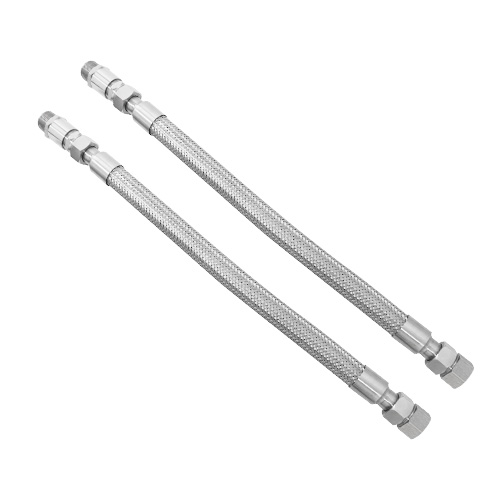
الخرطوم المعدني المرن عبارة عن قناة معدنية مصممة لنقل السوائل أو الغازات بين نقاط ثابتة ومتحركة في النظام الصناعي. وعلى عكس الأنابيب الصلبة، ينثني ويتمدد وينكمش مع الحفاظ على الضغط ومنع التسرب. تخيله كجسر مرن يحافظ على كفاءة تشغيل النظام تحت الضغط.
لماذا تفضل الصناعات الحلول المرنة
- امتصاص الاهتزازاتيقلل من تآكل المعدات المتصلة.
- تعويض التمدد الحرارييحافظ على سلامته في ظل تقلبات درجات الحرارة.
- تركيب مبسطيناسب التصميمات الضيقة أو المعقدة دون الحاجة إلى أنابيب مخصصة.
هذه الميزات تجعلها مثالية للصناعات التي تتراوح من معالجة المواد الكيميائية إلى تصنيع الأغذية وتوليد الطاقة.
أنواع الخراطيم المعدنية المرنة
خراطيم مضفرة من الفولاذ المقاوم للصدأ
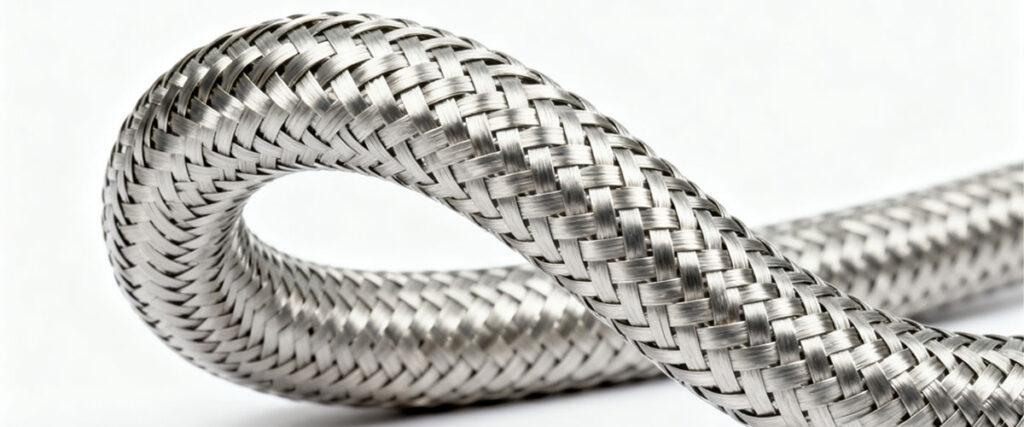
تتميز خراطيم الفولاذ المقاوم للصدأ المضفرة بأنبوب داخلي مموج محاط بطبقة مضفرة تزيد من مقاومة الضغط وتمنع التواءها. توفر هذه الخراطيم مرونةً في المساحات الضيقة وقدرة على امتصاص الاهتزازات، مما يجعلها مثالية للتطبيقات الصناعية مثل المعالجة الكيميائية وإنتاج الأغذية وأنظمة التدفئة والتهوية وتكييف الهواء. يضمن الاختيار الصحيح التوافق مع درجات الحرارة والضغط والتعرض للمواد الكيميائية، مما يمنع التلف المبكر.
خراطيم مرنة مموجة
تتكون الخراطيم المعدنية المموجة من أنبوب رقيق الجدران ذي تموجات تسمح بالانحناء والمرونة. وهي مناسبة للحركة المتكررة، والتمدد الحراري، وعزل الاهتزازات. تُستخدم عادةً مع البخار، والغازات الخاملة، أو السوائل، وتتحمل نطاقات واسعة من درجات الحرارة والضغوط الداخلية. يضمن اختيار المادة المناسبة، مثل الفولاذ المقاوم للصدأ أو السبائك المتخصصة، المتانة ومقاومة التآكل في البيئات القاسية.
خراطيم متعددة الطبقات أو معززة
تتضمن بعض الخراطيم بطانات أو أغلفة واقية لمقاومة المواد الكيميائية أو الحماية الميكانيكية. تُسهم هذه التحسينات في زيادة عمر الخدمة، لا سيما في البيئات ذات درجات الحرارة العالية أو البيئات المسببة للتآكل، مع الحفاظ على المرونة. يُعد فهم ظروف التشغيل أمرًا أساسيًا لاختيار التركيبة المناسبة.
خراطيم خاصة
صُممت الخراطيم المعدنية المرنة المتخصصة للتعامل مع مواد فريدة وصعبة، بما في ذلك السوائل المبردة، والبخار عالي الحرارة، والزيوت الحرارية. وتتميز هذه الخراطيم بتصميمها باستخدام مواد وتقنيات بناء متخصصة لتوفير مقاومة كيميائية فائقة، وتحمل عالٍ للضغط، ومرونة عالية.
المكونات الرئيسية للخراطيم المعدنية المرنة
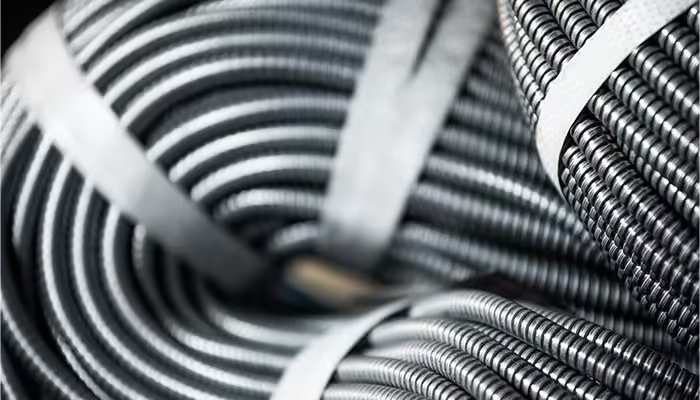
أنبوب داخلي مموج
يوفر الأنبوب الداخلي المموج المرونة والقوة، مما يسمح بنقل السوائل أو الغازات تحت الضغط أثناء الانحناء دون التواء. يؤثر تصميم المادة والتموج على تحمل درجة الحرارة والضغط، مما يقلل من خطر الإجهاد.
الضفيرة الخارجية
تحمي الطبقة الخارجية المضفرة الخرطوم من التمدد الزائد والإجهاد الميكانيكي واحتمالية التمزق. وتُعدّ الضفيرة المصنوعة من الفولاذ المقاوم للصدأ الأكثر شيوعًا، إذ تُوازن بين المتانة والمرونة. ويضمن التركيب الصحيح احتفاظ الخرطوم بقدرة الضغط المُصنّفة.
التجهيزات النهائية
تُستخدم الوصلات لتوصيل الخراطيم بالمعدات، مما يوفر إحكامًا تامًا وتوافقًا مع الضغط. تشمل الخيارات الفلنجات، والمحولات الملولبة، والوصلات السريعة. يساهم اختيار المواد المناسبة وتركيبها بشكل صحيح في منع التسربات وتسهيل الصيانة.
تقنيات الختم
صُممت موانع التسرب عالية الأداء للحفاظ على سلامة النظام بالكامل من خلال منع التسربات حتى في ظل الضغط العالي ودرجات الحرارة القصوى. تُصنع هذه الموانع من مواد متطورة تقاوم التآكل الكيميائي والتمدد الحراري والتآكل الميكانيكي، مما يضمن موثوقية طويلة الأمد وأداءً ثابتًا.
التطبيقات الصناعية
أنظمة المعالجة الكيميائية
يجب أن تتحمل الخراطيم المعدنية المرنة في عمليات المعالجة الكيميائية السوائل والغازات المسببة للتآكل، وأن تتحمل تغيرات الضغط ودرجات الحرارة القصوى. تُستخدم الخراطيم المموجة ذات البطانات المصنوعة من مادة PTFE عادةً لمنع التآكل الكيميائي والحفاظ على سلامة النظام. يضمن الاختيار الصحيح تقليل وقت التوقف إلى أدنى حد، ويقلل من خطر التسربات الخطرة.
أنظمة التدفئة والتهوية وتكييف الهواء والأنظمة الحرارية
في تطبيقات التدفئة والتهوية والتبريد، تتكيف الخراطيم المعدنية المرنة مع التمدد الحراري والاهتزاز وحركة المكونات الميكانيكية. وتُستخدم الخراطيم المضفرة عادةً لتوصيل المضخات والمبادلات الحرارية والصمامات، مما يحافظ على كفاءة نقل السوائل ويمنع إجهاد أنظمة الأنابيب الصلبة.
إنتاج الأغذية والمشروبات
يجب أن تتوافق الخراطيم في مصانع الأغذية والمشروبات مع معايير النظافة وأن تقاوم التآكل الناتج عن مواد التنظيف الكيميائية والبخار. يُفضل استخدام الخراطيم المرنة المصنوعة من الفولاذ المقاوم للصدأ، والتي غالبًا ما تُدمج مع وصلات صحية، مما يضمن نقل السوائل بأمان مع تسهيل التنظيف والصيانة.
السيارات والآلات الثقيلة
تمتص الخراطيم المعدنية المرنة في الآلات الاهتزازات، وتتيح الحركة، وتنقل السوائل الهيدروليكية أو المبردات. ويساهم اختيار الخراطيم المناسبة بناءً على خصائص الضغط ودرجة الحرارة والحركة في إطالة عمر المعدات ومنع توقفها المكلف.
الميزات الرئيسية للخراطيم المعدنية المرنة
المتانة وتصنيف الضغط
صُممت الخراطيم المعدنية المرنة لتحمل ظروف الضغط العالي دون المساس بسلامتها الهيكلية. وتوفر تموجاتها المقواة وطبقاتها المضفرة متانة طويلة الأمد، مما يسمح بأداء ثابت في الأنظمة الهيدروليكية والبخارية والكيميائية مع تقليل مخاطر التسرب أو الانفجار.
مقاومة درجة الحرارة
صُممت هذه الخراطيم للعمل بأمان ضمن نطاق واسع من درجات الحرارة، من الحرارة الشديدة إلى درجات الحرارة المنخفضة للغاية. تضمن المواد المتطورة وتقنيات التصنيع المتقدمة الحفاظ على أداء منع التسرب ومقاومة التلف، مما يجعلها مناسبة لتطبيقات الزيوت الحرارية والبخار والسوائل ذات درجات الحرارة العالية.
المرونة ونصف قطر الانحناء
تتميز الخراطيم المعدنية المرنة بقدرة استثنائية على الانحناء دون التواء أو انهيار. ويضمن نصف قطر الانحناء المناسب تدفقًا سلسًا للسوائل أو الغازات، ويستوعب الاهتزازات، ويعوض التمدد الحراري. كما تتيح مرونتها تركيبها في المساحات الضيقة مع الحفاظ على موثوقية التشغيل.
توافق المواد والختم
يُعدّ اختيار مادة الخرطوم المناسبة ونظام منع التسرب الأمثل أمرًا بالغ الأهمية للتعامل الآمن مع مختلف أنواع السوائل. توفر خيارات الفولاذ المقاوم للصدأ، والسبائك، ومادة PTFE مقاومة كيميائية، وحماية من التآكل، وموثوقية طويلة الأمد، مما يضمن التوافق مع الماء والزيت والمواد الكيميائية والسوائل ذات درجات الحرارة العالية.
دليل الاختيار: اختيار الخرطوم المعدني المرن المناسب
فهم تصنيفات الضغط ودرجة الحرارة
تُعدّ عملية تقييم نطاق ضغط التشغيل ودرجة الحرارة خطوةً حاسمةً في اختيار الخراطيم. يجب أن تتحمل الخراطيم المعدنية المرنة أقصى الضغوط دون تشوه أو تسريب، وأن تتحمل دورات التبريد والتدفئة المتكررة دون إجهاد. توفر الشركات المصنعة جداول تصنيف مفصلة؛ والرجوع إليها يضمن سلامة النظام وموثوقيته.
توافق المواد مع الوسائط
يجب أن تكون مادة الخرطوم مقاومة للتآكل والتفاعلات الكيميائية والاحتكاك الناتج عن السوائل المنقولة. يُعد الفولاذ المقاوم للصدأ خيارًا متعدد الاستخدامات للعديد من السوائل، بينما تتطلب المواد الكيميائية القوية أو درجات الحرارة القصوى استخدام سبائك متخصصة أو خراطيم مبطنة. ويساهم اختيار المادة المناسبة في منع التآكل المبكر والتلوث.
متطلبات الطول ونصف قطر الانحناء والحركة
حدد طول الخرطوم المطلوب، ونصف قطر الانحناء الأدنى، وديناميكيات الحركة لتجنب التواء الخرطوم، أو الإجهاد الزائد، أو التلف. فالانحناء المفرط أو التوجيه غير الصحيح قد يقلل بشكل كبير من عمر الخرطوم. ويضمن التقييم الدقيق لقيود التركيب التشغيل السلس والأداء طويل الأمد.
اختيار وصلات النهاية
يُعد اختيار وصلات الأطراف المناسبة، بناءً على الضغط ونوع الإحكام ومعيار التوصيل، أمرًا بالغ الأهمية. فعدم التوافق قد يؤدي إلى تسربات أو انخفاض كفاءة النظام أو تلف المعدات. وتُسهم الوصلات عالية الجودة في تبسيط عملية التركيب وتقليل الصيانة وتعزيز السلامة.
نصائح وأفضل الممارسات للتثبيت
التوافق والدعم
يُعدّ المحاذاة والدعم الصحيحان عنصرين أساسيين لإطالة عمر خدمة الخراطيم المعدنية المرنة. ويضمن وضع الخرطوم ودعمه بشكل صحيح تقليل الضغط على التموجات، ومنع الالتواء أو الترهل، والحفاظ على تدفق السوائل بشكل منتظم، مما يقلل من التآكل واحتمالية التلف.
تقنيات التوصيل الصحيحة
يضمن استخدام تقنيات التوصيل الصحيحة، مثل ربط الوصلات بعزم الدوران المناسب واستخدام المحولات المتوافقة، تركيبًا آمنًا وخاليًا من التسريبات. كما أن اتباع إرشادات الشركة المصنعة يمنع تلف السن اللولبي، والإفراط في الربط، وعدم المحاذاة، مما يحافظ على سلامة النظام ويحسن أداء الخراطيم تحت الضغط.
التدابير الوقائية
يساعد تطبيق التدابير الوقائية، بما في ذلك عمليات الفحص الدورية، وتخفيف الاهتزازات، ومراقبة درجة الحرارة والضغط، على الكشف المبكر عن علامات التآكل أو الإجهاد. تقلل الصيانة الاستباقية من وقت التوقف، وتتجنب عمليات الاستبدال المكلفة، وتضمن موثوقية طويلة الأمد لأنظمة الخراطيم المعدنية المرنة.
المشاكل الشائعة والحلول
التسربات والتشققات
يحدث التسريب عادةً نتيجةً لتلف الحلقات المانعة للتسرب، أو التلف الميكانيكي، أو الضغط الزائد. ويمكن منع التسريبات من خلال فحص الخرطوم بانتظام، والتأكد من نصف قطر الانحناء المناسب، واختيار خراطيم ذات تقوية كافية. أما الشقوق في الأنبوب الداخلي، فغالباً ما تنتج عن التآكل، أو الإجهاد، أو التركيب غير الصحيح؛ لذا فإن اختيار مادة مقاومة للتآكل واتباع إرشادات التركيب يقلل من هذه المخاطر.
الإرهاق وفشل الخراطيم
قد يؤدي الانثناء المتكرر أو الاهتزاز إلى إجهاد الخراطيم، مما قد يتسبب في تمزقها. استخدام خراطيم ذات تصميم تموج مناسب، وجديلة خارجية ملائمة، ومساحة حركة كافية يضمن موثوقية طويلة الأمد. في التطبيقات التي تتضمن حركة أو دورانًا أو اهتزازًا مستمرًا، قد تُطيل المخمدات عمر الخدمة.
التلوث أو الانسداد
قد تتسبب الجسيمات أو الشوائب الغريبة في انسداد الخرطوم، مما يقلل من التدفق ويتلف الأسطح الداخلية. ويؤدي تركيب المصافي والمرشحات أو استخدام خراطيم متوافقة مع السوائل الكاشطة إلى تقليل التلوث. ويُعد التنظيف والمراقبة الدوريان أمرين بالغَي الأهمية في الأنظمة التي تنقل المواد الكيميائية المعلقة أو السوائل الأخرى المحملة بالجسيمات.
الابتكارات والاتجاهات في الخراطيم المعدنية المرنة
- خراطيم معززة متعددة الطبقات لتحمل الضغوط ودرجات الحرارة القصوى.
- خراطيم ذكية مزودة بمستشعرات مدمجة للصيانة التنبؤية.
- طلاءات صديقة للبيئة وسبائك متطورة لتحسين العمر الافتراضي وتقليل تكاليف الصيانة.
خاتمة
يُعد اختيار وصيانة الخراطيم المعدنية المرنة المناسبة أمراً بالغ الأهمية لكفاءة الصناعة والسلامة واستمرارية العمل. شركة شاندونغ شيانداي لمعدات تكنولوجيا الختم المحدودة, نقدم إرشادات الخبراء، والحلول المخصصة، والمنتجات عالية الجودة لتلبية متطلباتك الصناعية المحددة.
هل تحتاج إلى مساعدة في اختيار خرطوم معدني مرن مناسب؟ تواصل معنا اليوم للحصول على استشارة شخصية، تأكد من أن أنظمة السوائل والغاز لديك موثوقة وآمنة وعالية الأداء. لا تنتظر - احمِ معداتك وحسّن عملياتك الآن!
التعليمات
كيف أختار الخيار الصحيح؟ خرطوم معدني مرن بالنسبة لنظامي؟
قم بتقييم نوع الوسائط والضغط ودرجة الحرارة وقيود التركيب؛ واستشر توصيات الشركة المصنعة.
هل يمكن للخراطيم المعدنية المرنة التعامل مع كل من السوائل والغازات؟
نعم، تم تصميم العديد من الخراطيم لتطبيقات الوسائط المزدوجة بتقنية إحكام مناسبة.
ما هو العمر الافتراضي النموذجي لخرطوم معدني مرن؟
يختلف العمر الافتراضي حسب الاستخدام والوسائط والصيانة؛ تدوم الخراطيم عالية الجودة من 5 إلى 15 عامًا مع العناية المناسبة.
كيف يمكنني منع التسربات أو التلف في الخراطيم المعدنية المرنة؟
تأكد من نصف قطر الانحناء المناسب، والفحص المنتظم، والتركيب الصحيح.
هل الخراطيم المعدنية المرنة مناسبة لدرجات الحرارة القصوى؟
نعم، الخراطيم المتخصصة مصممة لتحمل كل من البخار ذي درجة الحرارة العالية والسوائل المبردة.
أحدث أخبار
الرؤى والابتكار
