
-
هاتف: +86-13581108878
-
بريد إلكتروني: 13581108878@163.com



.jpg)
Key Takeaways:
- Discover how pneumatic rotary joints enhance equipment performance and reduce downtime.
- Learn detailed operational benefits and maintenance strategies.
- Compare pneumatic rotary joints with other rotary technologies.
- Explore real-world case studies with numerical data.
- Understand key specifications for system compatibility.
- Access expert tips on troubleshooting and optimization.
- FAQs and practical guidance for end users.
مقدمة
In modern industrial systems, efficiency, reliability, and safety are no longer optional—they’re essential. Whether you’re running an automated packaging line, a high-speed manufacturing process, or precision pneumatic machinery, maintaining consistent airflow under rotation is critical. المفاصل الدوارة الهوائية provide this functionality by enabling seamless transfer of compressed air from a stationary source to a rotating component.
These components may seem minor, but their impact on operational uptime, energy efficiency, and system longevity is profound. In this article, we will dive into three proven benefits of pneumatic rotary joints, explore detailed case studies, provide data-backed insights, and answer common questions about their selection and maintenance.
Increased Operational Efficiency with Pneumatic Rotary Joints
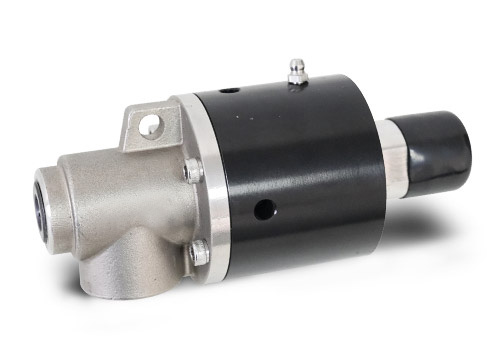
What is a Pneumatic Rotary Joint?
A pneumatic rotary joint is a specialized mechanical device that allows air to flow between stationary and rotating parts without leakage. These joints are engineered to handle continuous rotation while maintaining a pressurized seal.
According to a study published in the Journal of Fluid Power Systems (2020), properly installed rotary joints can reduce air leakage by up to 25%, translating into energy savings of 10–15% per industrial line.
How Efficiency is Improved
- Continuous airflow ensures machines operate at peak speed without pressure drops.
- Reduced downtime due to maintenance and seal replacement improves overall productivity.
- Lower energy consumption decreases operational costs while supporting sustainability goals.
Real-World Example
A high-speed packaging plant implemented pneumatic rotary joints in their air-driven conveyor system. Before installation, the line experienced intermittent pressure loss causing 12 minutes of downtime per hour. After installation:
- Pressure fluctuations decreased by 90%
- Production throughput increased by 18%
- Annual energy savings estimated at $12,500
Enhanced Safety and Leak Prevention
Key Safety Features
Rotary joints are equipped with high-precision seals and bearings. The seals prevent pressurized air from escaping, while bearings maintain alignment, reducing mechanical stress on moving parts.
Reduced Risk of Equipment Damage
Excessive air leakage or misaligned joints can lead to overpressure, vibration, and premature wear. A 2019 report from Industrial Pneumatics Review indicated that 40% of pneumatic system failures stem from faulty or poorly maintained rotary connections.
Versatility Across Applications
التطبيقات الصناعية
Pneumatic rotary joints are used in:
- Automated packaging and filling lines
- Pneumatic robotics for high-speed assembly
- Printing presses for uniform air application
- Material handling systems
خيارات التخصيص
- Sizes from 0.5” to 3” inner diameter
- Materials include stainless steel, aluminum, and specialized polymers
- Flow capacity ranges from 50 to 2000 L/min depending on system requirements
Comparative Advantage
Unlike rigid piping, pneumatic rotary joints allow rotational freedom without compromising air integrity. This makes them preferable for high-speed rotary equipment.
Comparison of Pneumatic Rotary Joints vs Hydraulic Rotary Joints
| ميزة | Pneumatic Rotary Joint | المفصل الدوار الهيدروليكي |
|---|---|---|
| نوع السائل | Compressed Air | Oil / Hydraulic Fluid |
| ضغط التشغيل | 1–12 bar (15–175 psi) | 50–350 bar (725–5075 psi) |
| سرعة الدوران | 100–600 RPM | 20–200 RPM |
| متطلبات الصيانة | قليل | واسطة |
| Leakage Risk | قليل | واسطة |
| تحمل درجة الحرارة | -20°C to 80°C | من -10 درجة مئوية إلى 100 درجة مئوية |
This table helps you select the right technology depending on your operational needs and safety requirements.
Cost-Effectiveness of Pneumatic Rotary Joints
توفير الطاقة
Reduced air leakage decreases compressor load, which can save up to 10–15% of energy costs annually.
Lower Maintenance Costs
Rotary joints generally have a lifespan of 5–7 years under standard usage. Regular inspection can prevent premature seal failure.
Case Study: Boosting Production Line Efficiency
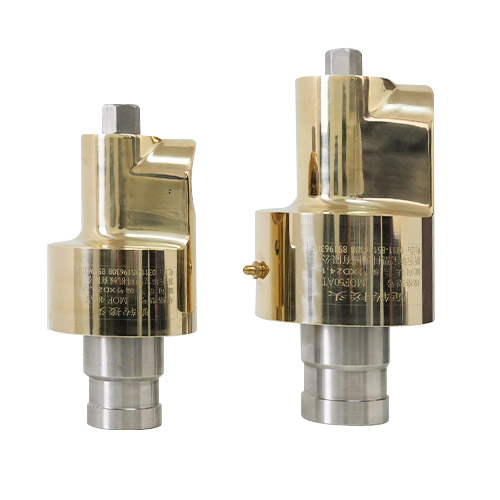
Scenario Overview
A beverage bottling line faced frequent air supply interruptions, resulting in 10–15 minutes of downtime per 8-hour shift. By switching to high-quality pneumatic rotary joints:
- Production line speed increased by 12%
- Compressed air consumption decreased by 18%
- Downtime reduced to under 2 minutes per shift
Lessons Learned
Regular monitoring of seal wear, joint alignment, and system pressure is essential for achieving long-term efficiency.
Common Pneumatic Rotary Joint Issues
Worn Seals
Seals can degrade due to friction and temperature changes. Replace seals every 6–12 months depending on usage.
عدم المحاذاة
Even minor misalignment increases friction and reduces efficiency. A laser alignment system can improve installation accuracy by 95%.
Contaminants and Particulates
Dust or metal particles can erode seals. Install inline filters to protect your rotary joints.
How to Choose the Right Pneumatic Rotary Joint
اختيار المواد
- Stainless steel for corrosion resistance
- Aluminum for lightweight applications
- Polymers for chemical compatibility
متطلبات الضغط والتدفق
Check your system’s maximum operating pressure and flow demand. Oversized joints may increase cost without performance benefits.
Size and Connection Type
Determine whether threaded, flanged, or quick-connect fittings are most compatible with your system.
Performance Metrics and Data Analysis
| متري | Before Installation | After Installation | تحسين |
|---|---|---|---|
| Downtime per Shift (minutes) | 12 | 2 | 83% |
| Compressed Air Usage (m³/hr) | 500 | 410 | 18% |
| Production Speed (units/hr) | 1200 | 1340 | 12% |
This data illustrates measurable gains from implementing high-quality pneumatic rotary joints.
Future Trends in Pneumatic Rotary Technology
Smart Sensors
Integration of IoT sensors can monitor seal wear and air leakage in real time.
Advanced Materials
Ceramic and composite materials extend seal life by up to 30% in abrasive environments.
Automated Maintenance Alerts
Predictive maintenance can reduce unplanned downtime by 40%, according to a study in Automation Today (2021).
التعليمات
يستطيع pneumatic rotary joints handle high-speed rotation?
Yes, many industrial models operate up to 600 RPM, making them suitable for fast-moving systems.
What maintenance is recommended for long-term performance?
Inspect seals every 3–6 months and replace worn components promptly.
Are these joints compatible with non-air gases?
Some models support inert gases, but always verify material compatibility.
How do I choose the right joint for my application?
Evaluate pressure, flow, rotational speed, and connection type before selecting a joint.
What is the typical lifespan of a pneumatic rotary joint?
Standard joints last 5–7 years under normal operating conditions.
أحدث أخبار
الرؤى والابتكار
