



Welcome to My Blog!
Before we dive into the content, if you’re interested in our products or have any questions, please feel free to visit our Contact Us page on the website. Our team is ready to assist you with inquiries, orders, or any support you may need.
Now, let’s get started on our journey together. I hope you find the content here insightful, engaging, and valuable.
Table of Contents
Why Seal Technology Matters in Metallic Hose Systems
The Growing Role of Sealing Solutions in Industrial Fluid Transfer
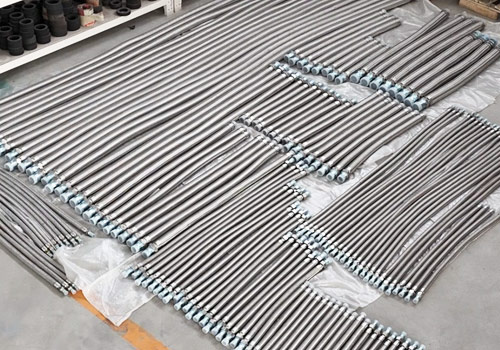
Sealing technology plays a vital role in ensuring leak-free and safe operation of metallic hose systems. As industries move toward automation and higher operating pressures, the tolerance for leakage or system downtime has nearly vanished. The seal is not merely a supporting element—it is the barrier that ensures efficiency and protects surrounding equipment from fluid loss, corrosion, or contamination.
Common Problems with Traditional Seals
Traditional sealing systems often fail under extreme conditions. Issues such as hardening, thermal expansion, and fatigue cracks can quickly lead to leaks and safety hazards. This has driven innovation in metallic hose assemblies, integrating advanced seal materials and precision-engineered designs that extend service life while minimizing maintenance.
Understanding the Core Structure of a Metallic Hose Assembly
Key Components Explained
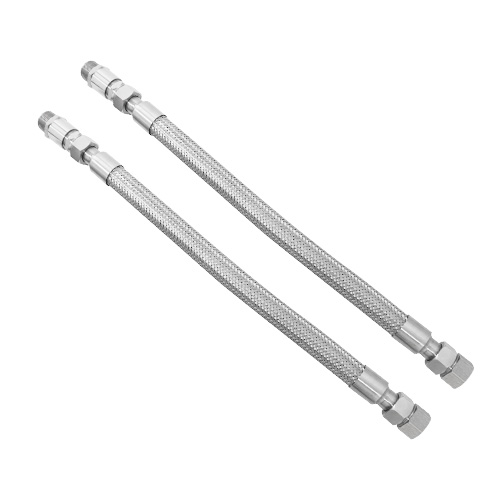
A metallic hose assembly consists of several critical parts:
- Corrugated Hose Body: Provides flexibility and absorbs vibration.
- Outer Braid Layer: Adds mechanical strength and protects against pressure bursts.
- End Fittings: Connects the hose to system components.
- Seal System: Ensures a tight, leak-free interface between the hose and fittings.
Each element works together to deliver a durable and safe connection in dynamic applications involving temperature fluctuations or high pressures.
The Seal as the Critical Element
While the braid and hose body handle mechanical stresses, the seal determines whether the system stays leak-free. An advanced sealing interface reduces friction, tolerates temperature variations, and withstands corrosion—key qualities for demanding industrial environments.
Types of Seal Technologies Used in Metallic Hose Assemblies
Graphite Seals
Graphite seals are known for their exceptional heat and chemical resistance. They perform well in steam, thermal oil, and chemical processes where temperatures exceed 600°C.
PTFE (Teflon) Seals
PTFE seals provide low friction and superior chemical resistance. Their stability under high pressure makes them ideal for applications involving gases and aggressive fluids.
Metal-to-Metal Sealing
For extremely high temperatures or corrosive environments, metal-to-metal seals offer unmatched robustness. These seals use precision-machined interfaces to achieve a tight fit without relying on soft materials.
Elastomeric Seals (NBR, Viton, EPDM)
Elastomer seals are cost-effective and flexible. They perform well under moderate pressure and temperature and are commonly used for air, water, and oil systems.
Advanced Engineering Elements in Modern Metallic Hose Design
Corrugated Geometry Optimization
Optimizing the corrugated profile of metal hoses enhances flexibility and reduces stress concentration, improving fatigue resistance and overall durability.
Dual Braiding for Stability
Dual-layer braiding adds significant strength, allowing hoses to handle higher pressure while maintaining flexibility.
Anti-Vibration and Noise-Damping Features
Innovative internal designs and flexible coupling features reduce vibration and noise, leading to smoother operation and extended equipment life.
Comparing Seal Technologies: Which Type Suits Your Application?
| Seal Type | Temperature Range | Pressure Resistance | Media Compatibility | Maintenance Level |
|---|---|---|---|---|
| Graphite | Up to 650°C | Excellent | Steam, Thermal Oil | Medium |
| PTFE | Up to 260°C | High | Chemicals, Gases | Low |
| Metal-to-Metal | Up to 1000°C | Very High | All Media | High |
| Elastomer | -40°C to 200°C | Moderate | Air, Water, Oil | Easy |
Choosing the right seal type depends on your working environment, the type of fluid being transferred, and the system’s pressure and temperature conditions. For example, a steel mill may require metal-to-metal sealing, while a food processing line might use PTFE for sanitary compatibility.
Common Technical Challenges and Their Solutions
Leakage and Pressure Drop
Leaks often result from improper installation or worn seals. Using precision-engineered sealing surfaces and applying proper torque during installation can significantly minimize these issues.
Thermal Expansion and Material Fatigue
Extreme temperature changes cause expansion and contraction in metals. Advanced sealing materials like graphite or PTFE can absorb these stresses, maintaining system integrity.
Corrosion and Compatibility
When seals are exposed to incompatible media, chemical degradation can occur. Selecting corrosion-resistant alloys and seal materials based on chemical compatibility data is essential for long-term reliability.
Industry Applications of Advanced Metallic Hose Sealing
Chemical and Petrochemical Processing
High-resistance seals handle aggressive fluids and prevent leaks in reactors and distillation units.
Power Generation and Steam Systems
In turbines and condensers, high-temperature metallic hose assemblies ensure safe steam flow and condensate return.
Aerospace and Automotive Engineering
Compact, lightweight designs with advanced seals help manage high-pressure fuel and cooling lines where space and reliability are critical.
Installation and Maintenance Tips for Long-Term Seal Performance
Proper Alignment and Torque Settings
Ensure fittings are correctly aligned and tightened to the recommended torque. Misalignment can cause uneven wear or deformation of seals.
Routine Inspection and Replacement Intervals
Establish a proactive maintenance schedule to check for vibration, leaks, or surface wear. Early detection prevents costly shutdowns.
Cleaning and Storage Best Practices
Before installation, ensure hoses and seals are clean and free from debris. Store metal hoses in dry, temperature-controlled areas to prevent oxidation and material degradation.
Innovations in Metallic Hose Seal Technology
Nanocoated Sealing Surfaces
Nanotechnology coatings reduce friction and prevent galling, significantly extending the seal’s service life.
Self-Healing Seal Materials
Emerging materials can automatically repair minor surface cracks, reducing maintenance downtime.
AI-Assisted Design and Digital Testing
Computer simulations now predict real-world performance, helping engineers refine seal geometry for better stress distribution and leak prevention.
Conclusion
Sealing technology is the foundation of reliability in modern metallic hose assemblies. Advanced materials, precision engineering, and innovative designs have transformed what was once a maintenance concern into a durable, efficient solution. Choosing the right seal type, maintaining proper installation practices, and scheduling regular maintenance ensure long-term performance and safety.
If you’re looking for tailored engineering or custom metallic hose solutions, contact Modern Sealing today. Our experts can help you design an optimized system that delivers reliability, cost-efficiency, and performance under any industrial condition.
FAQ
What is a metallic hose used for?
A metallic hose is used to transfer fluids or gases under high pressure and temperature, offering flexibility and corrosion resistance in industrial systems.
How long does a metal hose last?
With proper installation and maintenance, a high-quality metal hose can last several years, even in demanding environments.
Can a metal hose handle both hot and cold fluids?
Yes. Metallic hoses are designed to handle extreme temperature ranges, making them ideal for steam, hot oil, and cryogenic applications.
What materials are metallic hoses made from?
Common materials include stainless steel, bronze, and other corrosion-resistant alloys, depending on the operating media and environment.
How do I choose the right metal hose for my system?
Consider factors such as pressure, temperature, media type, and flexibility requirements. Consulting a manufacturer like Modern Sealing ensures the best fit for your application.
Need Help Selecting the Right Metallic Hose for Your System?
If you’re unsure which metallic hose best fits your application—whether it’s for high-pressure steam, hydraulic systems, or chemical transfer—our technical experts are here to help. Contact us today for a personalized consultation and get professional guidance on material selection, fitting compatibility, and installation best practices. Don’t risk costly downtime or safety issues—reach out now to ensure your operation runs efficiently and safely with the right metallic hose solution!
Latest News
Insights & Innovation
