



Table of Contents
Introduction
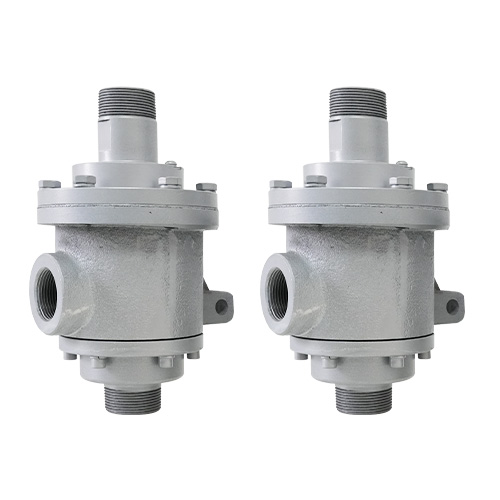
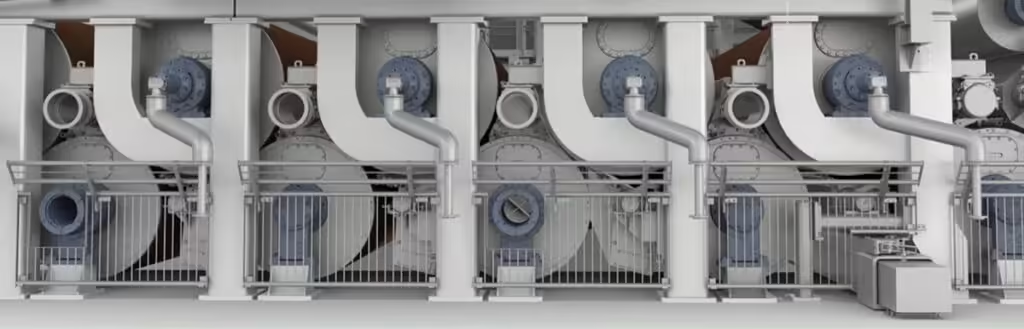
Drying cylinders are at the core of thermal efficiency in many continuous production systems, especially in paper and textile processing. The performance of these cylinders depends heavily on one critical component: the steam rotary joint. This device ensures that steam is transferred from a stationary pipeline into a rotating cylinder while maintaining pressure, temperature, and sealing integrity.
Choosing the right steam rotary joint is not simply a technical detail—it directly affects energy consumption, product quality, and maintenance costs. In this guide, you will learn how to select the most suitable solution based on real operating conditions, engineering principles, and practical experience.
Understanding the Role of a Steam Rotary Joint in Drying Cylinders
A steam rotary joint allows high-temperature steam to enter a rotating drying cylinder while enabling condensate to exit efficiently. This continuous exchange is essential for stable heat transfer.
In a typical system:
- Steam enters the cylinder through the steam rotary joint
- Heat is transferred to the cylinder surface
- Moisture is evaporated from the material
- Condensate is removed through a siphon or drainage system
If the steam rotary joint is poorly selected, the result can be heat loss, uneven drying, or premature failure of components.
Key Operating Parameters You Must Evaluate
Before selecting a steam rotary joint, you need to clearly define the working conditions. These parameters determine the design, material, and sealing structure required.
Temperature
Steam systems in drying cylinders typically operate between 120°C and 200°C. In high-efficiency systems, superheated steam can exceed 200°C.
According to data from industrial thermal system studies published by organizations such as ASME, higher steam temperatures improve drying efficiency but significantly increase demands on sealing materials.
Pressure
Most drying cylinder systems operate within:
- 0.5 MPa to 1.5 MPa for standard processes
- Up to 2.0 MPa in high-performance systems
Pressure stability is critical because fluctuations can cause leakage or seal damage.
Rotational Speed
Drying cylinders can operate from low speeds up to several hundred RPM. High-speed systems require:
- Low-friction sealing
- Stable bearing support
- Precision alignment
Steam Quality and Condensate Load
Steam quality directly impacts performance. Wet steam increases condensate volume, which can reduce heat transfer efficiency if not properly removed.
Types of Steam Rotary Joint for Drying Cylinders
Different configurations are available depending on system complexity and performance requirements.
Single Passage Design
This design is used where steam enters the cylinder but condensate removal is handled separately. It is simpler but less efficient in high-speed systems.
Dual Passage Design
This configuration allows steam input and condensate output through the same unit. It improves efficiency and is widely used in modern systems.
Siphon-Based Systems
Siphon systems are commonly used in high-speed drying cylinders. They actively remove condensate, ensuring better heat transfer and reducing energy loss.
Step-by-Step Guide to Selecting the Right Steam Rotary Joint
Step 1: Match the Joint to Your Thermal Load
Start by calculating the heat requirement of the drying cylinder. This determines:
- Steam flow rate
- Required pressure
- Temperature range
A mismatch here often leads to underperformance or overheating.
Step 2: Choose the Right Sealing Technology
Sealing is the most critical part of a steam rotary joint. For high-temperature steam applications, carbon graphite is widely used.
Its advantages include:
- Self-lubricating properties
- Resistance to thermal deformation
- Stable performance under fluctuating pressure
Industry reports on mechanical seal performance show that graphite-based sealing systems can extend service life significantly compared to conventional materials.
Step 3: Select Suitable Bearing Materials
In high-temperature environments, traditional lubricated bearings often fail due to heat degradation.
Graphite bearings are preferred because they:
- Do not require external lubrication
- Perform well under high temperatures
- Reduce maintenance frequency
Step 4: Ensure Efficient Condensate Removal
Condensate is the hidden factor that often reduces drying efficiency.
Poor removal leads to:
- Reduced heat transfer
- Increased energy consumption
- Mechanical stress inside the cylinder
Siphon-based steam rotary joint systems are recommended for high-speed operations because they actively remove condensate.
Step 5: Consider Installation and Alignment
Even the best steam rotary joint will fail if installation is not correct.
You should ensure:
- Proper alignment with the cylinder shaft
- Stable mounting support
- Adequate space for thermal expansion
Comparison of Steam Rotary Joint Options
| Type | Temperature Capability | Pressure Range | Speed Suitability | Efficiency Level | Typical Use |
|---|---|---|---|---|---|
| Single Passage | Medium | Medium | Low | Moderate | Basic drying systems |
| Dual Passage | High | Medium | Medium | High | Standard industrial drying |
| Siphon Type | Very High | High | High | Very High | High-speed drying cylinders |
| High Temperature Design | Above 200°C | High | Medium | High | Superheated steam systems |
Common Mistakes When Selecting a Steam Rotary Joint
Ignoring Condensate Management
Many users focus only on steam input and overlook condensate removal. This leads to reduced efficiency and higher energy costs.
Choosing Based on Price Alone
Low-cost options often use inferior sealing materials, which results in frequent leakage and downtime. Over time, this increases total operating costs.
Underestimating Temperature Effects
Thermal expansion and material fatigue are major causes of failure. Selecting materials that cannot handle peak temperatures is a common issue.
Practical Insight from Field Experience
In real industrial applications, performance differences between steam rotary joint designs can be significant.
Operational data from industrial drying systems shows that optimized steam rotary joint selection can:
- Improve thermal efficiency by 10–20 percent
- Reduce maintenance frequency by up to 30 percent
- Extend service life under continuous operation
These improvements come not from a single factor, but from the combination of correct design, material selection, and system integration.
Conclusion
Choosing the right steam rotary joint for drying cylinders requires a clear understanding of operating conditions, material performance, and system design. By focusing on temperature, pressure, sealing technology, and condensate management, you can significantly improve efficiency and reliability.
A well-selected steam rotary joint is not just a component—it is a key factor in optimizing your entire drying process.
FAQ
What is a steam rotary joint used for in drying cylinders
A steam rotary joint is used to transfer steam into rotating drying cylinders while allowing condensate to exit, ensuring continuous heat transfer.
How do I know which type of steam rotary joint I need
You need to evaluate temperature, pressure, speed, and condensate removal requirements. High-speed systems usually require siphon-type designs.
What is the most reliable sealing material for steam rotary joints
Carbon graphite is widely considered one of the most reliable materials due to its high temperature resistance and self-lubricating properties.
Why is condensate removal important
Condensate reduces heat transfer efficiency and can cause uneven drying. Efficient removal improves performance and reduces energy consumption.
How long can a steam rotary joint last
With proper selection and maintenance, a high-quality steam rotary joint can operate reliably for extended periods under continuous conditions.
Latest News
Insights & Innovation
