



Welcome to My Blog!
Before we dive into the content, if you’re interested in our products or have any questions, please feel free to visit our Contact Us page on the website. Our team is ready to assist you with inquiries, orders, or any support you may need.
Now, let’s get started on our journey together. I hope you find the content here insightful, engaging, and valuable.
Table of Contents
Introduction
Selecting the appropriate industrial seals for your machinery can significantly affect performance, reliability, and lifespan. Industrial seals are designed to prevent leakage, contain pressure, and protect equipment from contamination. Understanding the differences in materials, design, and applications is essential for engineers, maintenance professionals, and equipment managers aiming to optimize system efficiency and reduce downtime.
Industrial seals are critical components across hydraulic, pneumatic, and mechanical systems. They ensure that fluids or gases remain contained, reduce friction in moving parts, and protect equipment from wear and corrosion. Whether you operate pumps, compressors, turbines, or automated production lines, choosing the correct seal type can prevent costly failures and extend the operational life of your machinery.
Understanding Industrial Seals
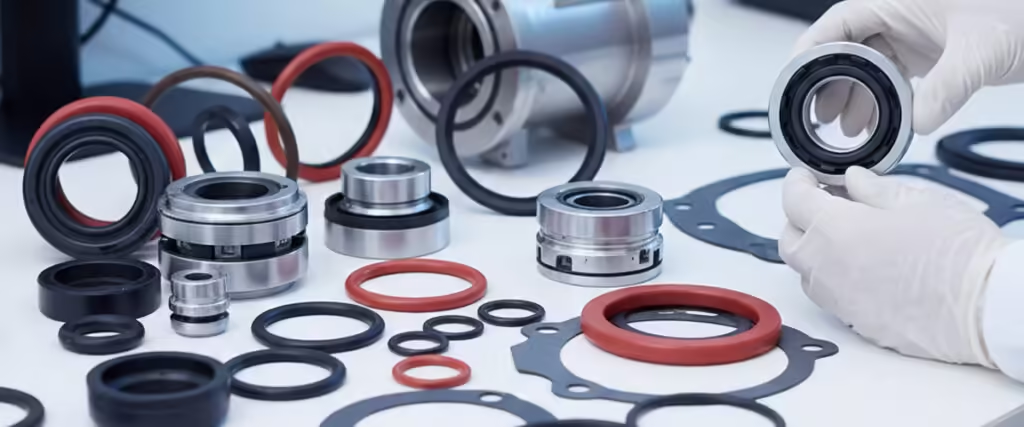
Industrial seals serve multiple purposes: preventing leaks, containing pressure, and shielding equipment from contamination. Their functionality is determined by their design, material, and compatibility with the working environment. Seals are used in static applications, like gaskets, and dynamic applications, such as rotary or reciprocating equipment. Selecting the wrong seal can result in frequent maintenance issues, leakage, or equipment downtime.
Types of Industrial Seals
Industrial seals come in various forms to meet different operational needs. Common types include:
Mechanical seals are often used in pumps and rotating equipment to provide leak-free operation at high pressures. O-rings and gaskets are versatile, suitable for static sealing in various industrial systems. Lip seals and rotary seals handle dynamic shaft applications efficiently. Specialty seals, including metal or PTFE variants, are designed for extreme temperatures, aggressive chemicals, or abrasive environments.
Material Selection for Industrial Seals
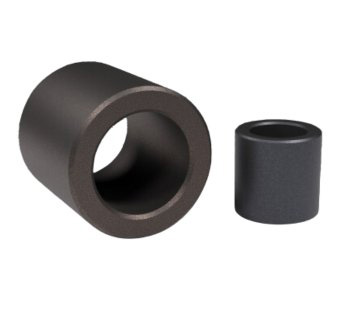
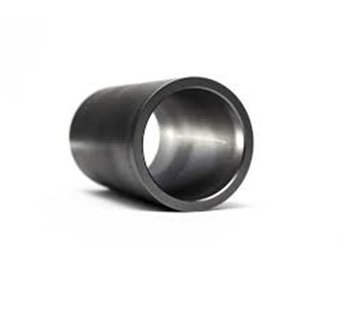
Choosing the correct material is critical. Elastomers like NBR, EPDM, and FKM provide flexibility and resistance to wear, heat, and chemical exposure. Metal seals, such as stainless steel or bronze, offer superior strength and longevity, particularly in high-temperature or high-pressure environments. Advanced composites and PTFE seals combine chemical resistance with low friction properties. Data from industry reports show that material mismatch is one of the leading causes of seal failure, emphasizing the importance of proper selection.
Pressure and Temperature Considerations
Operational pressure and temperature directly influence seal performance. Standard O-rings function well up to 40 MPa and temperatures around 200°C, whereas mechanical seals can withstand higher pressures and temperatures, making them suitable for demanding applications. Understanding the system’s pressure fluctuations and thermal cycles helps in selecting seals that maintain integrity under variable conditions.
Environmental and Chemical Compatibility
Seals must resist corrosion, abrasion, and chemical degradation. Exposure to moisture, dust, or abrasive media can reduce seal life if the wrong material or design is chosen. For example, PTFE seals exhibit excellent chemical resistance and low friction, making them ideal for corrosive environments. Selecting seals based on the fluid type, pH levels, and abrasive content prevents premature wear and failure.
Custom vs. Standard Industrial Seals
While standard seals work for many applications, custom seals are essential for unique equipment or extreme conditions. Custom solutions allow engineers to optimize dimensions, material composition, and sealing technology for maximum efficiency and safety. According to industry studies, custom-designed seals can extend equipment lifespan by 30% to 50% compared to standard off-the-shelf seals.
Installation and Maintenance Tips
Proper installation prevents common failures such as leaks or excessive wear. Lubrication, alignment, and correct torque during assembly are critical factors. Regular inspection and scheduled maintenance help detect early wear patterns, allowing timely replacement and avoiding costly downtime. Following manufacturer guidelines ensures optimal performance.
Common Problems and Troubleshooting
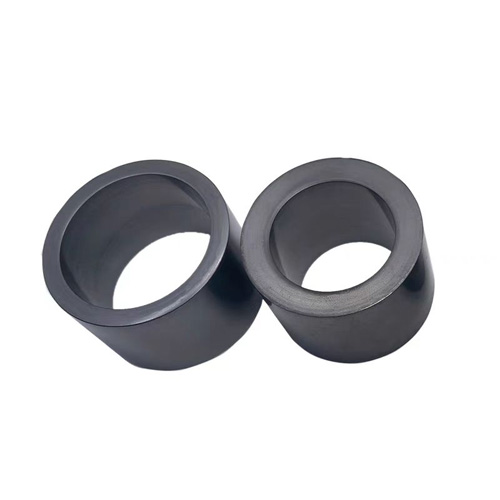
Industrial seals may fail due to leakage, pressure drops, or abrasion. Wear patterns on seals can indicate alignment issues, contamination, or chemical incompatibility. Understanding these failure modes allows maintenance teams to take corrective actions and select better-performing seals in future applications.
Performance Comparison Table
| Seal Type | Typical Application | Temp Range (°C) | Pressure Rating (MPa) | Durability Notes |
|---|---|---|---|---|
| O-Ring | Hydraulic/Pneumatic | -40 to 200 | 0.5–40 | Easy replacement, versatile |
| Mechanical Seal | Pumps, Rotating Equipment | -20 to 250 | 0.5–50 | High precision, leak-resistant |
| Lip Seal | Shafts, Rotors | -30 to 150 | 0.1–10 | Good for rotary motion |
| PTFE Seal | Chemical Systems | -100 to 260 | 0.5–25 | Excellent chemical resistance |
Conclusion
Selecting the correct industrial seals is crucial for equipment reliability, safety, and efficiency. By understanding types, materials, environmental factors, and application requirements, you can prevent failures and reduce downtime. For guidance on choosing the right seals for your system, contact Shandong Xiandai Sealing Technology Equipment Co., Ltd. Our experts provide tailored recommendations to optimize your operations and extend equipment life. Reach out today to ensure your machinery runs safely and efficiently.
FAQ
What are industrial seals used for?
Industrial seals prevent fluid or gas leakage, protect machinery from contamination, and maintain pressure in mechanical systems.
How do I choose the right seal material?
Consider temperature, pressure, chemical exposure, and movement type. Material compatibility is essential for longevity and performance.
When should I use custom seals instead of standard ones?
Custom seals are needed for unique machinery, extreme conditions, or when standard seals fail to meet performance requirements.
How can I extend the life of industrial seals?
Proper installation, alignment, lubrication, and regular inspections are key to extending seal life and preventing failures.
What are common causes of seal failure?
Seal failure is often due to misalignment, chemical incompatibility, high abrasion, excessive temperature, or improper installation.
Latest News
Insights & Innovation
