



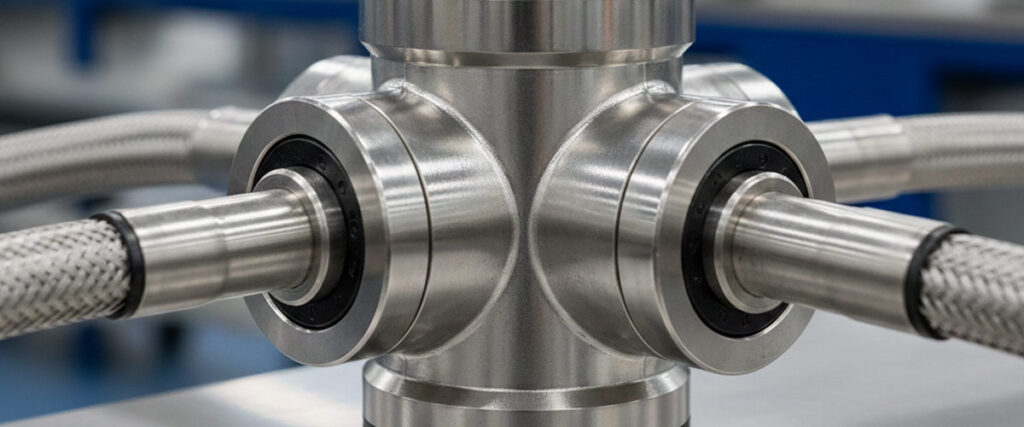
Welcome to My Blog!
Before we dive into the content, I’d love for you to join me on my social media platforms where I share more insights, engage with the community, and post updates. Here’s how you can connect with me:
Facebook:https://www.facebook.com/profile.php?id=61575858997962
Now, let’s get started on our journey together. I hope you find the content here insightful, engaging, and valuable.
Table of Contents
Introduction
Stainless steel swivel joints are essential components in modern machinery, enabling the transfer of fluids and gases between stationary and rotating equipment. These components play a crucial role in reducing wear, preventing leaks, and maintaining operational efficiency in demanding environments. Industries ranging from hydraulic systems to chemical processing rely on these joints to maintain smooth, reliable operation.
At Modern Sealing, we specialize in custom stainless steel swivel joints designed to meet the unique needs of various applications. By understanding your system requirements and selecting the right swivel joint, you can extend equipment life, improve safety, and optimize performance.
Key Benefits of Stainless Steel Swivel Joints
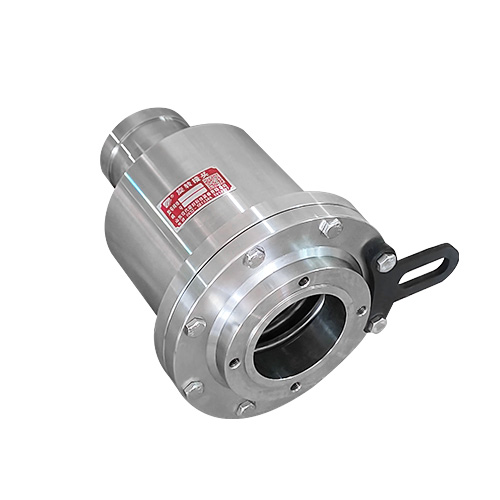
Stainless steel swivel joints offer several advantages over other materials. First, they provide excellent corrosion resistance, making them ideal for environments exposed to moisture, chemicals, or other aggressive media. Second, they are capable of withstanding high pressure and temperature variations without compromising performance. Lastly, their operational flexibility allows for smooth rotation and movement in complex machinery, reducing downtime and maintenance costs.
How to Choose the Right Stainless Steel Swivel Joint
Selecting the correct swivel joint requires understanding the operational demands of your system. Key factors include:
- Application Pressure and Temperature: High-pressure systems benefit from reinforced swivel joints with PTFE or graphite seals.
- Media Compatibility: For chemical or abrasive media, stainless steel with corrosion-resistant seals is essential.
- Rotation Speed and Flexibility: Faster rotation requires joints with low-friction bearings and robust construction.
By evaluating these parameters, you can select a swivel joint that ensures long-term reliability.
Common Applications of Stainless Steel Swivel Joints
Stainless steel swivel joints are widely used across industries:
- Hydraulic Systems: They maintain pressure transfer and prevent leakage during rapid movements.
- Chemical and Process Industries: Resistant to corrosion, they handle aggressive fluids safely.
- Food & Beverage and Sanitary Systems: Stainless steel meets hygienic standards while ensuring durability.
- High-Temperature and Abrasive Applications: Metal-to-metal or graphite sealing designs perform reliably under extreme conditions.
Design Considerations for Maximum Equipment Life
Design features can significantly impact the lifespan and efficiency of swivel joints:
- Single vs. Multi-Passage Joints: Multi-passage joints allow multiple fluid lines through a single swivel, reducing space and complexity.
- Bearing Options: Self-lubricating bearings reduce maintenance, while lubricated bearings may provide higher load capacity.
- Customization: Tailoring size, seal type, and material to the specific system ensures optimal performance and longevity.
Comparison Table of Swivel Joint Features
| Feature | Typical Specification | Recommended Applications |
|---|---|---|
| Material | Stainless Steel 304/316 | Corrosive or high-humidity environments |
| Maximum Pressure | Up to 25 MPa | Hydraulic and pneumatic systems |
| Maximum Temperature | -200°C to 400°C | High-temp chemical processes |
| Seal Type | PTFE, Graphite, Metal-to-Metal | Chemical, abrasive, or high-temp use |
| Rotation Speed | Up to 120 RPM | Automation and rotary equipment |
| Bearing Type | Self-lubricating or ball bearings | Low-maintenance or heavy-load systems |
This table helps compare critical factors when selecting stainless steel swivel joints for your equipment.
Maintenance Tips for Long-Term Performance
Proper maintenance ensures your swivel joints deliver maximum service life:
- Inspect joints regularly for signs of wear or leakage.
- Replace seals and bearings according to the operational load and media.
- Use recommended lubrication practices to reduce friction and prevent premature failure.
By following these simple steps, you can avoid costly downtime and extend the lifespan of your equipment.
Comparing Stainless Steel Swivel Joints with Other Materials
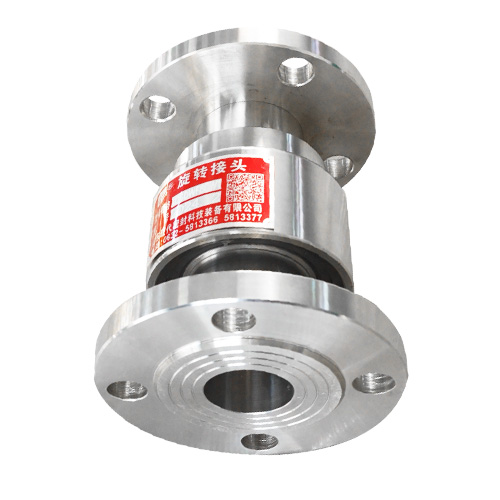
While carbon steel and brass joints may be cheaper, they often fail in high-corrosion or high-pressure environments. Stainless steel provides superior longevity and reliability, resulting in lower lifecycle costs. In addition, stainless steel’s compatibility with aggressive media and extreme temperatures makes it a preferred choice for critical industrial systems.
Troubleshooting and Common Issues
Even high-quality swivel joints can encounter problems if improperly installed or selected:
- Leakage: Usually due to incorrect seals or misalignment.
- Premature Wear: Often caused by abrasive media or high rotational speeds without proper bearing selection.
- Misalignment: Can cause stress on the joint, leading to reduced service life.
Addressing these issues proactively ensures smooth and uninterrupted operation.
Conclusion
Stainless steel swivel joints play a pivotal role in extending equipment life, reducing downtime, and enhancing operational efficiency. By carefully selecting the right material, seal, and bearing configuration, you can ensure your machinery performs reliably under demanding conditions. Modern Sealing provides custom solutions to meet your unique requirements, delivering durable, corrosion-resistant, and flexible swivel joints designed for long-term success. Contact us today to explore how stainless steel swivel joints can optimize your systems and protect your investment.
FAQ
How do I select the right swivel joint for high-pressure applications?
Consider reinforced bearings and PTFE or graphite seals capable of withstanding your system’s pressure range.
Can stainless steel swivel joints handle corrosive chemicals?
Yes, stainless steel 316 with suitable seals provides excellent resistance to most corrosive media.
How often should I perform maintenance on my swivel joints?
Inspection every 3–6 months is recommended, with seal and bearing replacement as needed.
Are customized swivel joints available for special applications?
Yes, joints can be tailored for specific size, passage, and seal requirements to match system needs.
Can swivel joints be used in high-temperature environments?
With graphite or metal-to-metal seals, stainless steel swivel joints can reliably operate at temperatures up to 400°C.
Latest News
Insights & Innovation
