



Table of Contents
Introduction
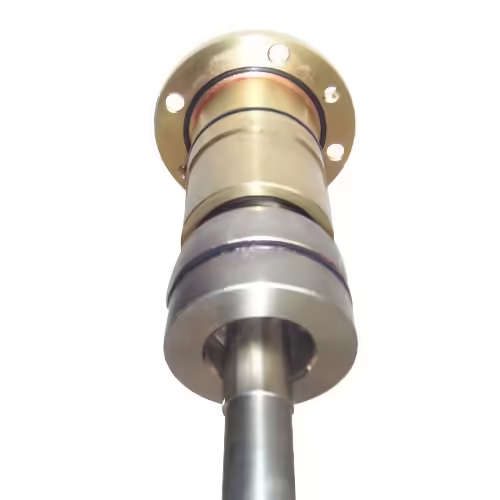
Hydraulic rotary unions are critical components in industrial machinery, allowing high-pressure hydraulic fluid to transfer between stationary and rotating parts. They are widely used in CNC machines, industrial robots, and heavy equipment. Understanding their types, elements, applications, and maintenance can dramatically improve uptime and reduce operational costs. This guide covers everything from basic definitions to selection, installation, and troubleshooting.
Core Function and Basic Definition
Stationary Housing
The stationary housing connects directly to the fixed hydraulic supply line, ensuring a secure interface between the machine’s stationary and rotating parts. Its robust design prevents bending or misalignment under high pressure, which is essential for smooth operation.
Rotating Shaft
The rotating shaft spins with the connected machinery, transmitting hydraulic fluid to moving components. Its precision machining ensures minimal wobble, which reduces seal wear and maintains consistent fluid flow under variable loads.
Precision Seals
Seals are the core of a hydraulic rotary union, preventing leakage while allowing rotation. They are typically made from high-performance materials like NBR, Viton, or PTFE, chosen based on fluid type, pressure, and temperature. Proper seal selection dramatically improves service life.
Bearings
Bearings support the rotating shaft, reducing vibration and friction. Oil-free or lubricated bearing options are available depending on the application speed and load. High-quality bearings prevent premature wear and ensure smooth rotation even under heavy-duty conditions.
Hydraulic Rotary Union Elements
Housing Materials
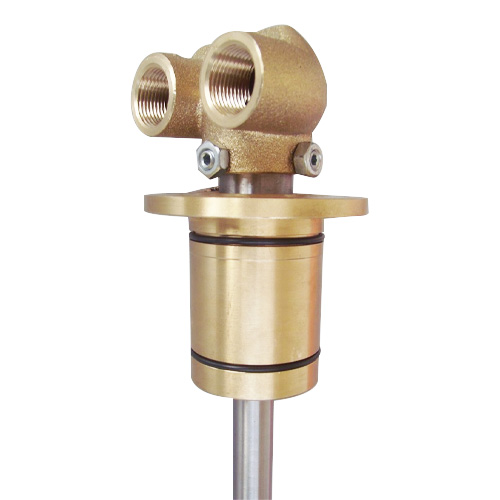
Housing materials include carbon steel, stainless steel, or brass. The choice depends on fluid compatibility, corrosion resistance, and operating pressure. For tropical or corrosive environments, stainless steel is preferred due to its durability.
Seal Types
Hydraulic rotary unions use various seal materials to handle different media and temperatures. For high-temperature oil, Viton or PTFE seals are recommended; for standard hydraulic oil, NBR seals are cost-effective and reliable. Selecting the right seal material is crucial for long-term leak-free operation.
Bearings
Bearings can be dual oil-free or single lubricated types. Dual oil-free bearings allow higher rotational speeds and reduce maintenance needs. The bearing choice directly affects rotation smoothness and the union’s operational life.
Shaft Designs
Rotating or fixed siphon shafts are chosen based on flow requirements. Rotating shafts allow direct media transfer to moving equipment, while fixed siphon shafts can handle multiple media channels in more complex setups.
Types of Hydraulic Rotary Unions
Single Flow
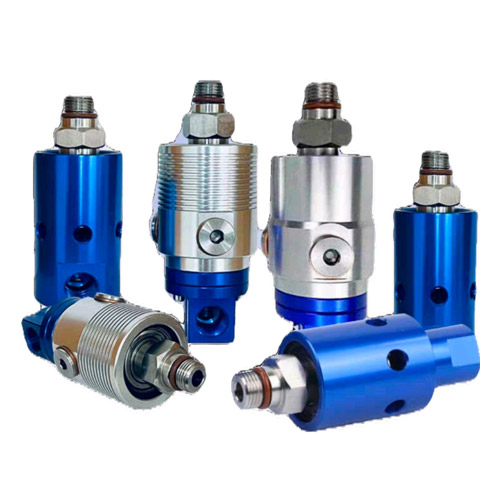
Single-flow unions are suitable for one oil circuit. They are simpler in design, cost-effective, and ideal for basic machinery with minimal fluid paths. This type is widely used in small-scale automation or single-axis machines.
Dual Flow
Dual-flow rotary unions manage two separate circuits, typically supply and return lines. They are ideal for hydraulic cylinders or actuators that require independent input and output lines to maintain proper pressure balance and prevent backflow.
Multi-Passage
Multi-passage rotary unions allow several media to pass through a single interface simultaneously. They are commonly used in complex machinery, like robots or drilling rigs, where oil, coolant, or air must be delivered without cross-contamination. Each channel has independent seals for reliability.
Common Technical Challenges and Solutions
Leakage and Seal Wear
Seal wear or misalignment often causes leaks. Proactive inspection, choosing the correct seal material, and maintaining fluid cleanliness can prevent leaks and extend union life.
Bearing Failures and Vibration
Excessive load or high-speed rotation without proper bearing support leads to vibration or premature wear. Using dual oil-free bearings or high-load-rated bearings mitigates these issues and ensures smooth rotation.
Pressure Drops or Flow Interruptions
Internal blockages or seal deterioration may reduce hydraulic efficiency. Regular maintenance, flushing systems, and inspecting internal passages ensure consistent flow and prevent pressure losses.
Multi-Media Cross-Contamination
In multi-passage units, seal failure can mix different media. Periodic seal replacement and adherence to recommended maintenance schedules protect against cross-contamination.
Selection and Installation Tips
Media Type Selection
Choose a union compatible with the specific hydraulic fluid or other media in use. Incorrect compatibility can cause corrosion, seal degradation, and equipment failure.
Pressure Rating Considerations
Ensure the union can safely handle the system’s maximum pressure. Over-pressurization may lead to catastrophic failure or rapid seal wear.
Rotational Speed Requirements
Confirm the union’s bearing and seal ratings match the rotational speed of your machinery. Exceeding limits can cause vibration, overheating, or premature failure.
Connection Types and Sizes
Select the appropriate connection type—NPT, BSPP, or SAE flange—to ensure leak-free installation and proper alignment with existing pipelines.
Maintenance Accessibility
Design or select unions that allow easy access for routine seal inspections and replacements. Reducing downtime for maintenance improves overall system efficiency.
Applications of Hydraulic Rotary Unions
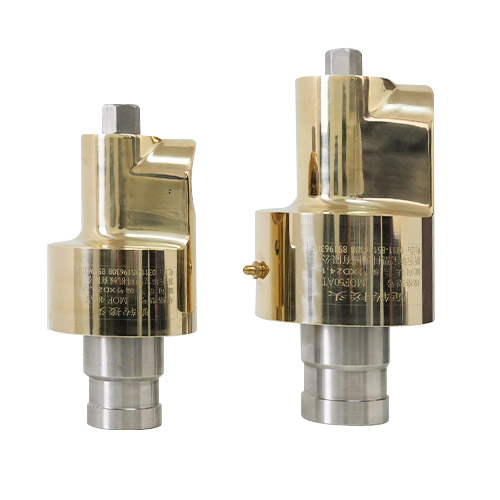
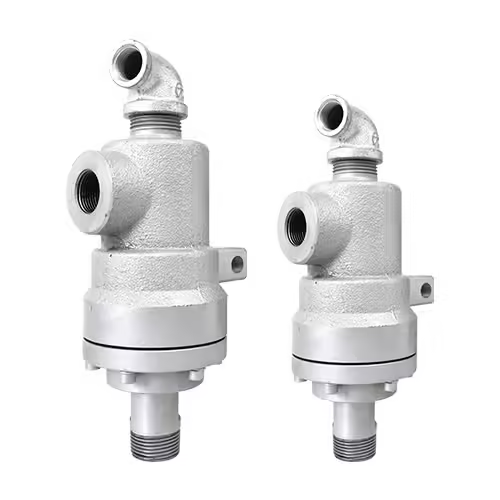
CNC Machines and Spindles
Delivering high-pressure cooling oil to spinning spindles while maintaining precision and preventing leaks.
Industrial Robotics
Ensures continuous hydraulic supply to moving arms without interrupting automation cycles.
Heavy Equipment and Excavators
Supports dual- or multi-flow circuits for actuators and hydraulic cylinders, providing smooth, high-load motion.
Conclusion
Hydraulic rotary unions are essential elements for smooth operation in industrial machinery, connecting stationary and rotating hydraulic circuits reliably. Selecting the right type, ensuring proper installation, and performing routine maintenance maximizes performance and minimizes downtime. Partner with a reliable supplier to guarantee high-quality components and expert support.
FAQ
How do I know if my rotary union needs replacement?
Check for visible leaks, unusual vibrations, or drops in system pressure. Early signs can prevent costly machine downtime.
Can one rotary union handle multiple media simultaneously?
Yes, multi-passage hydraulic rotary unions are designed for simultaneous transfer of different fluids or air, with independent seals for each channel.
What is the typical lifespan of a hydraulic rotary union?
Lifespan varies based on load, rotational speed, fluid type, and maintenance. Proper selection, installation, and care can extend service life significantly.
How do I select the right type for my system?
Consider media type, maximum pressure, rotational speed, flow requirements, and connection type. Multi-passage or dual-flow units may be needed for complex machinery.
Are hydraulic rotary unions repairable?
Many are repairable by replacing seals and bearings if the housing and shaft are intact. Regular maintenance is key to cost savings.
Latest News
Insights & Innovation
