



Table of Contents
Introduction
In modern manufacturing, the demand for high-efficiency and multi-fluid transfer systems is greater than ever. A 13-way rotary joint is a highly specialized component designed to handle multiple media—such as water, oil, air, or steam—through a single rotating interface. This technology is widely used in industrial systems that require precise control, continuous motion, and efficient fluid transmission.
According to a report by Fluid Power Technology Journal, multi-channel rotary joints can reduce equipment piping complexity by up to 40% and improve maintenance efficiency by 30%. For industries focused on automation, steel production, and thermal processing, adopting a 13-way rotary joint is no longer a luxury—it’s an operational necessity.
Working Principle of a 13-Way Rotary Joint
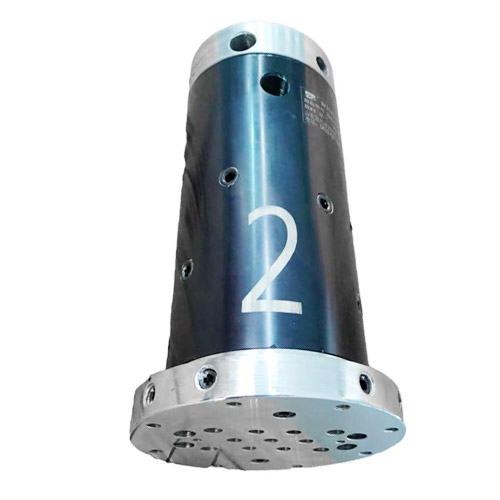
A 13-way rotary joint enables simultaneous transfer of up to 13 separate media without cross-contamination. The core components include a rotor, stator, multiple seals, precision bearings, and individual channels. As the rotor spins, each channel remains isolated, ensuring safe, leak-free transmission.
Below is a breakdown of its major components and materials:
| Component | Material | Function |
|---|---|---|
| Housing | Stainless Steel | Provides structural strength and corrosion resistance |
| Seal Rings | Carbon Graphite / PTFE | Prevents leakage between passages |
| Bearings | Precision Ball Bearings | Ensures smooth rotation and stability |
| Passages | 13 Independent Channels | Transfers multiple fluids or gases simultaneously |
The 13-way configuration is ideal for automation equipment, multi-axis robots, and process systems requiring independent control of several circuits.
Key Industrial Applications of 13-Way Rotary Joints
Plastic and Rubber Machinery
In mold temperature control and injection systems, 13-way rotary joints handle multiple thermal oil or cooling water circuits, improving heating efficiency and reducing downtime.
Steel and Metallurgy Equipment
These rotary joints manage the simultaneous flow of hydraulic oil and cooling water, supporting continuous casting machines and roll cooling systems where precise thermal regulation is critical.
Textile and Printing Industries
Multi-passage joints transmit steam, air, and water simultaneously for drying and dyeing processes, ensuring consistent temperature and humidity levels.
Petrochemical Processing
In chemical reactors and transfer systems, 13-way rotary joints manage multiple liquid and gas flows, maintaining stability under extreme pressure and temperature conditions.
Automation and Robotics
Automation lines use 13-way joints to combine air, oil, and water supply through one interface, simplifying cable routing and enhancing system reliability.
Design and Material Selection Considerations
Seal Type
Mechanical seals, often made from carbon graphite or advanced composites, are chosen based on media compatibility and temperature range.
Material Choice
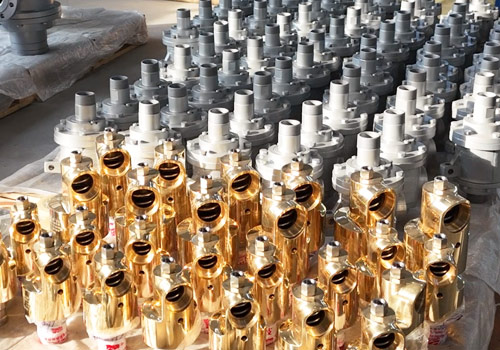
For corrosive environments, stainless steel housings are preferred. Aluminum may be used in lightweight applications such as robotics or textile machinery.
Bearing Type
Precision ball bearings enable higher rotational speeds while maintaining stability and minimizing wear.
Fluid Compatibility
Selecting materials that resist corrosion or chemical attack is essential to avoid leaks and system degradation.
Maintenance Accessibility
Modular designs allow for quicker seal or bearing replacement, reducing overall downtime.
Selection Guide: Choosing the Right 13-Way Rotary Joint
When choosing a 13-way rotary joint, consider these critical factors:
- Media Type: Define the types of fluids or gases to be transferred (water, steam, oil, air).
- Pressure and Speed Requirements: Ensure the joint’s design matches the operating parameters.
- Environmental Conditions: Evaluate factors such as temperature, humidity, and exposure to chemicals.
- Installation Space: Choose compact or inline configurations for limited spaces.
- Maintenance Capability: Prefer modular, serviceable designs for long-term reliability.
Selecting the right product ensures not just operational performance but also long-term cost efficiency.
Common Problems and Solutions
| Problem | Possible Cause | Recommended Solution |
|---|---|---|
| Leakage | Worn seals or improper alignment | Replace seals, realign assembly |
| Blockage | Contaminated or unfiltered fluid | Use clean or filtered media |
| Temperature Rise | Bearing overload or misalignment | Adjust lubrication and rotation speed |
| Uneven Flow | Channel clogging | Flush the system and inspect passages |
Proper installation and maintenance can reduce most of these issues, ensuring consistent, trouble-free performance.
Maintenance Tips for Long-Term Reliability
- Regularly inspect seals and bearings for signs of wear.
- Maintain alignment between stationary and rotating parts.
- Ensure all media are properly filtered to prevent blockage.
- Follow manufacturer guidelines for lubrication and pressure limits.
Routine maintenance extends service life and reduces unplanned downtime.
Conclusion
The 13-way rotary joint represents a breakthrough in industrial fluid and gas transfer. By combining precision engineering with multi-channel versatility, it supports greater efficiency, safety, and long-term reliability across automation, steel, chemical, and textile industries.
Need expert guidance on selecting the right 13-way rotary joint for your system? Contact Modern Sealing today for technical consultation, product customization, or a detailed performance assessment. Maximize your equipment efficiency—get in touch now.
FAQ
What is the main advantage of a 13-way rotary joint?
It allows simultaneous transfer of multiple fluids or gases through one compact unit, reducing the need for complex piping.
Can a 13-way rotary joint handle different fluids at once?
Yes, each channel is independently sealed, preventing cross-contamination between different media.
How often should I perform maintenance on a 13-way rotary joint?
Inspection every 1000 operational hours is recommended, depending on the application and environment.
What materials are best for a 13-way rotary joint?
Stainless steel, aluminum, and graphite seals are commonly used for their durability and chemical resistance.
Can 13-way rotary joints be customized for my system?
Yes, most manufacturers, including Modern Sealing, offer tailored solutions for pressure, flow, and mounting needs.
Latest News
Insights & Innovation
